Mersin Maps & Guides
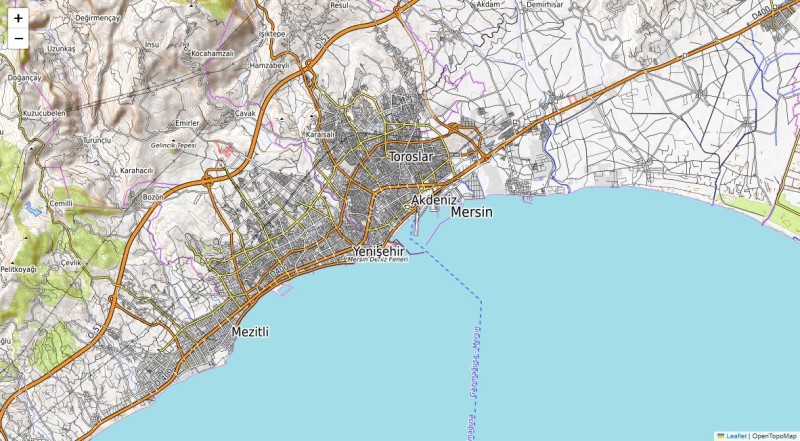
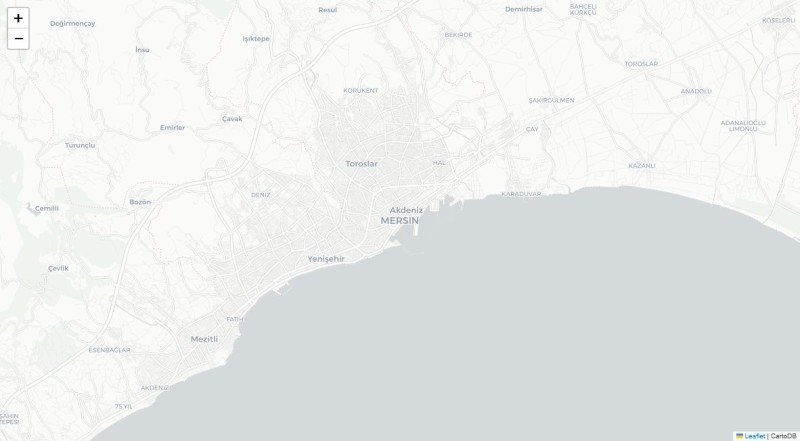
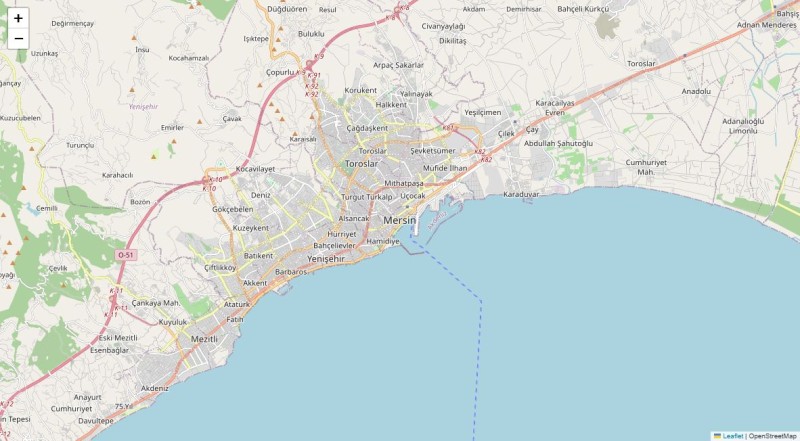
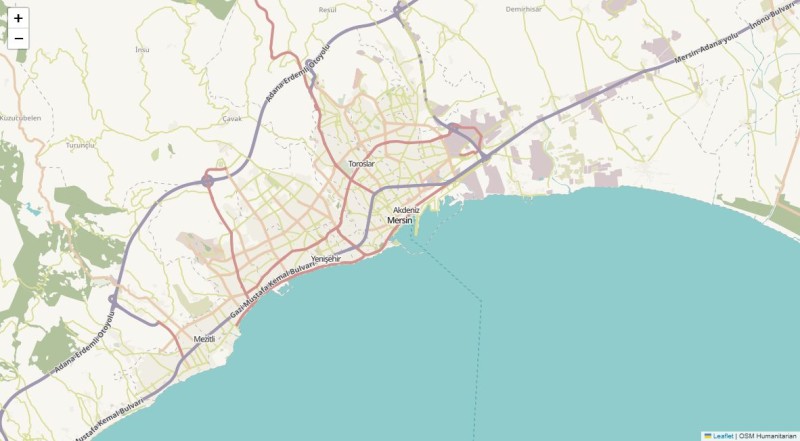
Mersin Rising: A 2026 Deep Dive into Turkey's Mediterranean Gateway & Strategic Maps
Strategic Insights
- Key Eastern Mediterranean port and logistics hub.
- Growing agricultural powerhouse, especially citrus exports.
- Emerging energy corridor for regional pipelines.
- Strategic location near the new Çukurova Regional Airport.
- Focus on 'Blue Economy' initiatives and coastal development.
Local Landmarks
- Mersin Forum AVM (premier shopping and entertainment complex).
- Kızkalesi (Maiden's Castle) – iconic island fortress offshore.
- Tarsus (ancient city, birthplace of St. Paul, Cleopatra's Gate).
- Cennet ve Cehennem (Heaven and Hell Caves) – geological wonders.
- Mersin Marina – upscale dining and leisure hub.
Urban Protocol
- Turkish Lira (TRY) is the official currency; credit cards widely accepted.
- Basic Turkish phrases are appreciated; English proficiency varies.
- Bargaining is common in bazaars, less so in modern stores.
- Public transport (dolmuş/buses) is efficient and affordable.
- Tipping (bahşiş) 5-10% is customary in restaurants for good service.
DEMOGRAPHIC MOMENTUM (K-SCALE)
URBAN VIBE CHECK
BEYOND THE BROCHURES: MERSIN
The Mediterranean’s Rising Star: A Strategic Nexus
Mersin, a jewel of the Eastern Mediterranean, is experiencing a profound metamorphosis, solidifying its position as a strategic hub by 2026. Its deep-water port, Mersin International Port (MIP), remains the largest in Turkey and a critical artery for global trade, handling vast volumes of cargo and connecting Europe to the Middle East and Central Asia. This strategic advantage is further amplified by its proximity to burgeoning energy corridors and its role as a key distribution point for agricultural produce. Urban planners have meticulously integrated port expansion with sustainable city development, aiming for a seamless blend of commerce and quality of life. The city’s investment in infrastructure, including the ongoing development of the Çukurova Regional Airport, is set to drastically enhance its international accessibility, positioning Mersin not just as a transit point, but as a destination of choice for business, tourism, and expatriate communities. Its strategic location offers unique leverage in regional dynamics, drawing in foreign direct investment and fostering a robust, diversified economy.
Demographic Dynamics: A Melting Pot of Growth
The demographic profile of Mersin in 2026 is characterized by dynamic growth and a vibrant multicultural tapestry. With a projected population approaching 1.4 million in the urban core, the city is a magnet for internal migration, attracting a youthful, ambitious workforce from across Turkey. This influx contributes to a diverse social fabric, enriching the city’s cultural landscape with varied traditions and perspectives. The substantial youth demographic fuels innovation and a vibrant entrepreneurial spirit, particularly in sectors like logistics, services, and digital technologies. Educational institutions, including Mersin University, play a pivotal role in nurturing local talent and attracting international students, further enhancing the city’s intellectual capital. While rapid growth presents challenges in urban planning and resource management, Mersin’s administration has proactively invested in social infrastructure, aiming to create inclusive communities and maintain a high standard of living for all residents, reflecting a forward-thinking approach to urban sustainability.
Economic Pulse: Port Power and Beyond
Mersin’s economic vitality in 2026 continues to be anchored by its powerhouse port, but diversification efforts are yielding significant results. The Mersin Free Zone remains a cornerstone for manufacturing, trade, and logistics, offering competitive advantages for international businesses. Beyond the port, the city thrives as an agricultural powerhouse, particularly renowned for its citrus production, which is a major export. Industrial zones are expanding, attracting investments in petrochemicals, food processing, and light manufacturing. The burgeoning tourism sector, leveraging Mersin’s extensive coastline, historical sites, and Mediterranean climate, is becoming a significant economic driver. Investments in resort development, boutique hotels, and cultural attractions are transforming the city into a compelling tourist destination. Furthermore, a nascent but growing tech and innovation ecosystem is emerging, supported by university-industry collaborations and government incentives, indicating a strategic shift towards higher-value economic activities and a resilient, future-proof economy.
Cultural Tapestry: Echoes of Antiquity, Visions of Modernity
Mersin’s cultural identity in 2026 is a captivating blend of deep historical roots and contemporary expression. The region boasts a rich archaeological heritage, with nearby Tarsus (birthplace of St. Paul) and Roman-era sites providing a tangible link to millennia of civilization. This historical depth is complemented by a modern cultural scene that embraces art, music, and performance. The city’s numerous museums, galleries, and cultural centers host a variety of events, reflecting both traditional Anatolian influences and global artistic trends. Culinary traditions are a cornerstone of Mersin’s culture, with a distinctive Mediterranean-Turkish fusion evident in its vibrant food markets and diverse restaurants. From fresh seafood to local specialties like ‘tantuni’ and ‘cezerye’, gastronomy is an immersive cultural experience. The harmonious coexistence of diverse communities, including significant Arab and Kurdish populations alongside ethnic Turks, enriches the city’s social fabric, contributing to a truly unique and welcoming atmosphere.
Lifestyle and Leisure: The Mersin Experience
Life in Mersin in 2026 offers a compelling blend of relaxed Mediterranean living and urban vibrancy. The city’s extensive coastline is dotted with pristine beaches and resorts, making it a popular destination for sun-seekers and water sports enthusiasts. The Mersin Marina, a modern waterfront complex, serves as a focal point for upscale dining, chic cafes, and leisurely strolls, offering panoramic views of the sea. For outdoor enthusiasts, the nearby Taurus Mountains provide opportunities for hiking, exploring ancient ruins, and escaping the summer heat. Shopping ranges from contemporary malls like Mersin Forum to bustling traditional bazaars, offering everything from international brands to local handicrafts. The burgeoning food scene caters to all tastes, from street food vendors to fine dining establishments, showcasing the best of Turkish and international cuisine. With a mild climate for most of the year, Mersin encourages an active, outdoor lifestyle, fostering a high quality of life for its residents and visitors alike.
Infrastructure and Connectivity: Gateways to the Region
Mersin’s commitment to robust infrastructure development is evident in its advanced state by 2026. Beyond the expansion of its port, the city’s road networks have seen significant upgrades, facilitating efficient internal and regional transit. The completion and operationalization of the Çukurova Regional Airport is a game-changer, providing direct international air links and dramatically improving accessibility for business travelers and tourists, reducing reliance on distant airports. Within the city, public transportation systems, including an extensive bus network and shared minibuses (dolmuş), are efficient and affordable, connecting key urban areas. Plans for future light rail or tram systems are under consideration to address projected urban growth. Smart city initiatives are also being integrated, from intelligent traffic management to digital public services, aiming to enhance urban efficiency and improve citizen engagement. These infrastructural advancements underscore Mersin’s ambition to become a truly connected, modern, and accessible regional hub.
Navigating the Urban Labyrinth: Essential Protocol
For visitors and potential investors, understanding Mersin’s urban protocol is key to a seamless experience. While Turkish hospitality is renowned, a few practical considerations are paramount. Currency is the Turkish Lira, with ATMs widely available and credit cards accepted in most establishments. While English is spoken in tourist-centric areas and larger businesses, learning a few basic Turkish phrases (e.g., ‘Merhaba’ – Hello, ‘Teşekkür ederim’ – Thank you) will greatly enhance interactions. Public transport is reliable and inexpensive, but taxis and ride-sharing apps are also readily available. Security is generally high, though standard urban precautions against petty crime are always advisable. Local cuisine is a highlight, but be mindful of dietary restrictions and inquire about ingredients if necessary. Navigating bureaucratic processes for investment requires local expertise; engaging with a reputable legal or business consultancy is highly recommended. Embrace the local pace, enjoy the culinary delights, and immerse yourself in the warm, welcoming culture that defines Mersin.