Zurich Maps & Guides
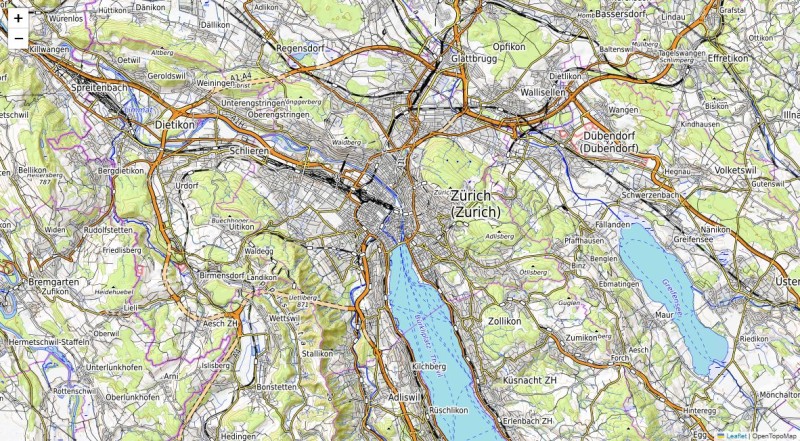
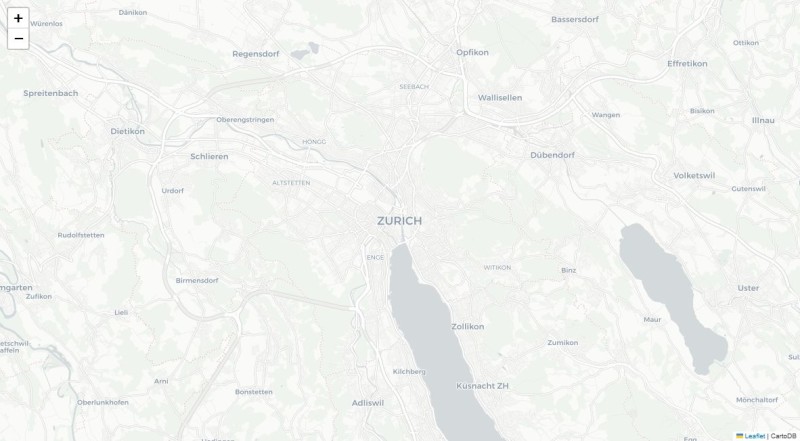
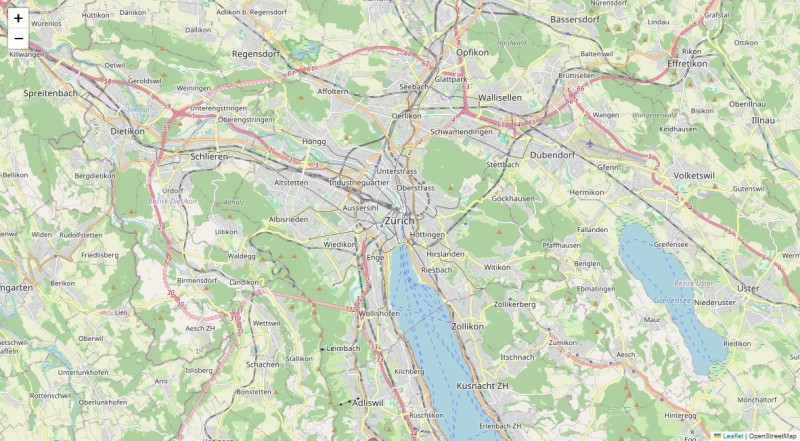
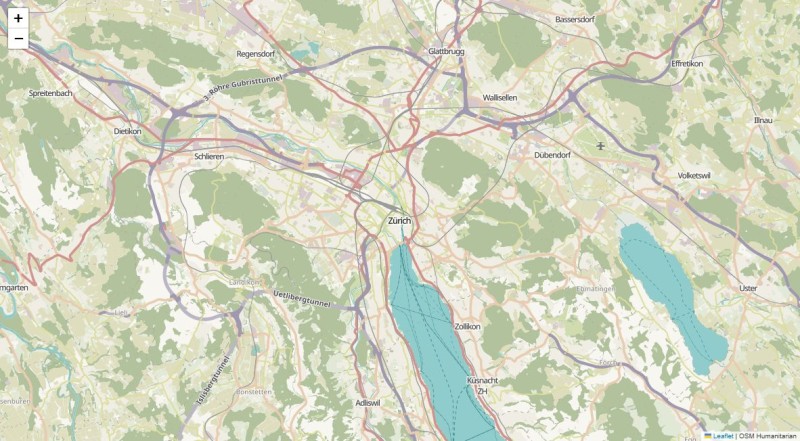
Zurich 2026: Navigating Alpine Elegance & Financial Frontiers – An Urban Map Deep Dive
Strategic Insights
- Global Financial Powerhouse & Innovation Hub
- Leading Sustainability and Quality of Life Metrics
- Multilingual Talent Pool & High Skilled Workforce
- Strategic Central European Logistics Gateway
- Robust Digital Infrastructure & Connectivity
Local Landmarks
- Grossmünster Church with its iconic twin towers
- Bahnhofstrasse, a world-renowned luxury shopping mile
- Fraumünster Church, noted for its Chagall and Giacometti stained glass windows
- Lake Zurich Promenade, offering scenic walks and boat tours
- Lindenhof Hill, a historic public park with panoramic city views
Urban Protocol
- Public transport is exceptionally punctual and efficient; tickets are mandatory.
- Swiss German is the local dialect, but high proficiency in English is widespread.
- Expect a high cost of living and dining; plan your budget accordingly.
- Sundays are primarily reserved for rest and family; most shops are closed.
- Digital payments are preferred and widely accepted; cash is less common.
DEMOGRAPHIC MOMENTUM (K-SCALE)
URBAN VIBE CHECK
BEYOND THE BROCHURES: ZURICH
Zurich’s Economic Horizon: A 2026 Financial Powerhouse
In 2026, Zurich continues to solidify its position as one of the world’s foremost financial centers. The city’s economic landscape is characterized by its stability, innovation, and global connectivity. Banking, insurance, and asset management remain the bedrock, with major institutions like UBS and Credit Suisse (now merged into a new entity after 2023 developments) maintaining significant global footprints. However, the narrative is evolving beyond traditional finance. Zurich has aggressively pivoted into FinTech, blockchain, and AI-driven solutions, attracting a vibrant ecosystem of startups and venture capital. The ‘Crypto Valley’ in Zug, a short distance away, continues to influence Zurich’s digital asset strategies, positioning the region at the cutting edge of Web3 technologies. This diversification ensures resilience, drawing in highly skilled international talent and fostering a dynamic, competitive market that consistently ranks high in global innovation indices. The city’s commitment to a business-friendly environment, coupled with its highly educated workforce and robust legal framework, makes it an attractive hub for multinational corporations looking to establish their European or global headquarters.
Demographic Dynamics: A Metropolis of Global Citizens
Zurich’s population, both within the city limits and its wider metropolitan area, continues its steady growth trajectory into 2026. The city proper now hosts over 450,000 residents, with the greater Zurich area approaching two million. This growth is predominantly driven by internal migration from other Swiss cantons and, significantly, by international arrivals. Expats, drawn by high-paying jobs, exceptional quality of life, and a stable political environment, constitute a substantial portion of the population – often exceeding 30% within the city. This diverse influx creates a rich multicultural fabric, with English serving as a de facto business language alongside official German, French, and Italian. Demographic trends show a slight aging of the native Swiss population, balanced by a younger, more mobile international demographic. Family-friendly policies, excellent public education, and world-class healthcare contribute to a high retention rate for both local and international residents, ensuring a vibrant, dynamic, and economically productive citizenry.
Urban Development & Infrastructure: Smart Growth in a Green City
By 2026, Zurich’s urban development strategy remains firmly rooted in sustainable growth and high quality of life. The city is a paragon of efficient infrastructure, boasting an integrated public transport network (ZVV) that is envied globally. Ongoing investments in high-speed rail connections enhance its role as a European transport hub, while local initiatives focus on expanding cycling infrastructure and pedestrian zones. Major projects include the continued revitalization of industrial areas like Oerlikon and Seefeld, transforming former industrial sites into modern residential and commercial districts, often incorporating green spaces and eco-friendly designs. The city’s commitment to sustainability is evident in its advanced waste management systems, high percentage of green energy consumption, and extensive network of parks and recreational areas. Smart city initiatives leverage data to optimize traffic flow, reduce energy consumption, and improve public services, further enhancing Zurich’s reputation as a model for urban living. Accessibility remains a key focus, with continuous upgrades to ensure inclusivity for all residents and visitors.
Cultural Canvas: Beyond Banking Hours
Zurich in 2026 is a vibrant cultural melting pot, offering a sophisticated array of artistic and recreational pursuits. The city’s cultural scene extends far beyond its financial prowess, featuring world-class museums such as the Kunsthaus Zurich (boasting an impressive collection of modern and contemporary art) and the Swiss National Museum. The Schauspielhaus Zurich remains a premier venue for theatrical performances, while the Zurich Opera House consistently presents productions of international renown. Music festivals, from classical to electronic, punctuate the calendar, attracting diverse audiences. The emergence of smaller, independent galleries and pop-up events in areas like Kreis 4 and 5 reflects a dynamic, evolving arts scene. Culinary culture is equally diverse, ranging from Michelin-starred fine dining to traditional Swiss taverns and an ever-growing selection of international eateries, reflecting its diverse population. Cafés line the Limmat River, offering picturesque spots for people-watching and enjoying local delicacies. The city’s appreciation for quality leisure is also reflected in its numerous parks, lakeside promenades, and easy access to the surrounding Alps, providing year-round opportunities for outdoor activities.
Connectivity and Global Outreach: A Seamless Experience
Connectivity is a hallmark of Zurich in 2026. Zurich Airport (ZRH) consistently ranks among the best in Europe, offering direct flights to major global destinations and serving as a crucial hub for Swiss International Air Lines. Its efficiency, modern facilities, and excellent public transport links to the city center (a mere 10-minute train ride) make arrivals and departures seamless. Digitally, Zurich boasts an exceptionally robust internet infrastructure, with widespread high-speed fiber optics and 5G coverage, facilitating everything from remote work to advanced digital services. The city’s multilingual environment, coupled with its efficient public services, makes it remarkably accessible for international residents and visitors. Switzerland’s neutrality and open economic policies further enhance Zurich’s role as a meeting point for international conferences, diplomatic discussions, and global business ventures. This blend of physical and digital connectivity underscores Zurich’s status as a truly global city, adept at fostering international collaboration and facilitating the flow of people, ideas, and capital.
Future Outlook: Resilience and Refinement
Looking ahead to the latter half of the decade, Zurich’s trajectory is one of continued resilience and refinement. The city is proactively addressing global challenges such as climate change through ambitious sustainability targets, aiming for carbon neutrality in key sectors. Investment in green technologies and smart infrastructure will only intensify, solidifying its reputation as a leader in urban environmental management. The ongoing push for digitalization across all public and private sectors promises further efficiencies and innovative services for residents and businesses. While the city’s high cost of living remains a perennial challenge, efforts are continually made to ensure diverse housing options and support for local businesses. Zurich will continue to balance its traditional values of precision and quality with a progressive, forward-thinking approach, maintaining its allure as an elite travel destination, an unparalleled business hub, and a top-tier place to call home. Its commitment to excellence, innovation, and a superior quality of life ensures its prominent standing on the global stage for years to come.