Papeete Maps & Guides
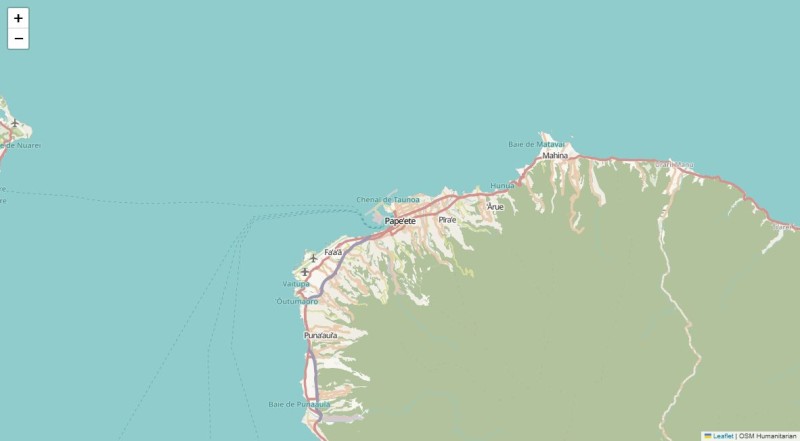
Papeete 2026: Navigating the Pearl of the Pacific – An Urban Analysis & Maps
Strategic Insights
- Primary economic and administrative hub of French Polynesia.
- Strategic deep-water port facilitating regional trade and cruise tourism.
- Growing focus on sustainable tourism development and marine conservation.
- Evolving infrastructure to support increasing population and visitor influx.
- Cultural melting pot, blending Polynesian traditions with French influences.
Local Landmarks
- Marche de Papeete (Municipal Market) – A vibrant hub for local produce and crafts.
- Notre Dame Cathedral – A historic religious landmark with distinctive architecture.
- Bougainville Park – A waterfront green space dedicated to explorer Louis-Antoine de Bougainville.
- Robert Wan Pearl Museum – Showcasing the history and allure of Tahitian black pearls.
- Papeete Waterfront Esplanade – Perfect for strolls with views of Moorea.
Urban Protocol
- Respect local customs; a polite 'Ia ora na' (hello) is appreciated.
- Tap water is generally safe in urban areas, but bottled water is common for visitors.
- Tipping is not mandatory but welcomed for exceptional service, especially in tourism.
- Dress code is generally casual, but modest attire is advised when visiting religious sites.
- Public transport is limited; taxis and rental cars are the primary options for getting around.
DEMOGRAPHIC MOMENTUM (K-SCALE)
URBAN VIBE CHECK
BEYOND THE BROCHURES: PAPEETE
The Beating Heart of Polynesia: Papeete in 2026
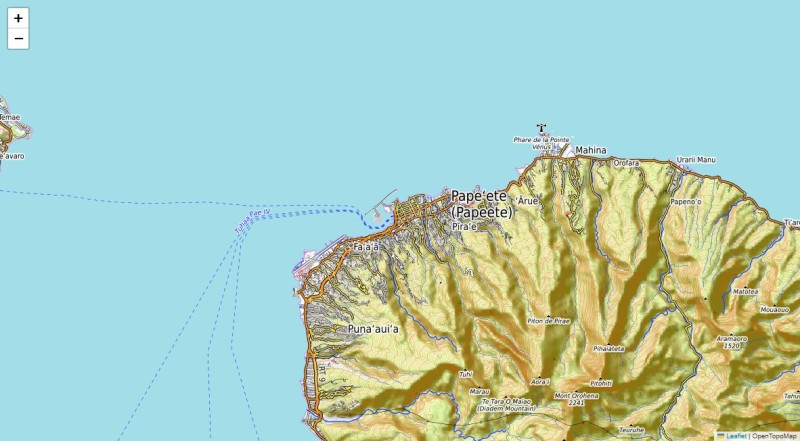
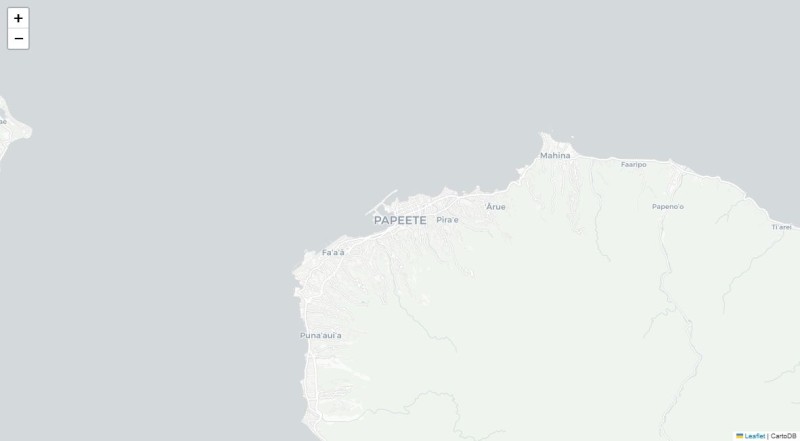
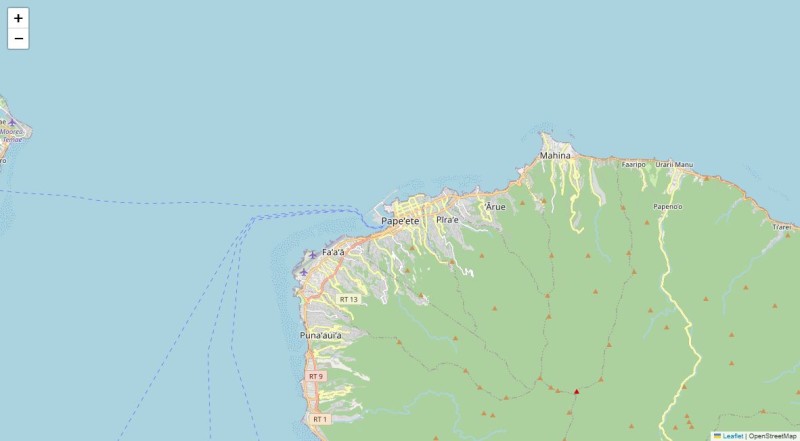
Papeete, the capital of French Polynesia, represents a unique urban experiment where the rhythms of ancient Polynesian culture meet the structured efficiency of French governance. In 2026, this city of approximately 27,000 within a larger urban agglomeration exceeding 140,000, continues its trajectory as the undeniable economic and cultural epicenter of the vast South Pacific archipelago. Its strategic location on the northwest coast of Tahiti makes it a critical logistical hub, processing a significant portion of the region’s inbound and outbound goods, and serving as the primary port of entry for international visitors.
Demographic Dynamics: A Melting Pot of the Pacific
The demographic landscape of Papeete in 2026 is characterized by a rich tapestry of ethnicities. The majority population is of Polynesian descent, primarily Tahitian, but there are significant communities of Chinese, European (predominantly French), and smaller populations from other Pacific islands. This multiculturalism is not merely incidental; it’s a foundational element of Papeete’s vibrant social fabric, reflected in its cuisine, festivals, and everyday interactions. The urban agglomeration of Papeete has seen consistent, albeit modest, population growth, driven by internal migration from outer islands seeking educational and economic opportunities, as well as a steady influx of expatriates drawn by lifestyle or professional prospects. The median age remains relatively young, contributing to a dynamic and evolving labor force, particularly in the burgeoning tourism, services, and construction sectors.
Projections for 2026 indicate a slight stabilization in the pace of internal migration, as outer island development initiatives gain traction. However, the urban core of Papeete itself continues to densify, presenting challenges and opportunities for urban planning. The average household size is gradually decreasing, aligning with global trends, even as extended family networks remain a cornerstone of Polynesian social structure. Educational attainment levels are rising across the board, with a growing number of young Tahitians pursuing higher education locally and abroad, indicating a positive trend for future economic diversification and skilled labor availability.
Economic Engine: Beyond Tourism’s Glamour
While tourism remains a cornerstone of Papeete’s economy – driven by its status as a gateway to iconic destinations like Bora Bora and Moorea, and a growing cruise ship terminal – 2026 sees a concerted effort towards economic diversification. The Tahitian black pearl industry, historically significant, continues to adapt to global market demands, emphasizing sustainable practices and innovative designs. Fishing, while smaller in scale, remains vital for local consumption and provides a niche export market. The French government’s financial support and administrative presence underpin a substantial public sector, which provides stability and employment.
Critically, 2026 marks a period of increased investment in digital infrastructure and sustainable technologies. Papeete is positioning itself as a hub for marine research and sustainable aquaculture, leveraging its unique oceanic environment. Small and medium-sized enterprises (SMEs) are flourishing, particularly in hospitality, retail, and local craft production, fueled by both tourist demand and a growing local consumer base with increasing disposable income. The port’s modernization projects are enhancing its capacity to handle larger cargo volumes, solidifying Papeete’s role as a regional trade gateway, not just a tourist stop.
Urban Fabric & Infrastructure: Balancing Progress with Preservation
Papeete’s urban development in 2026 reflects a delicate balance. The city center, with its colonial-era buildings and bustling municipal market (Marche de Papeete), retains a historical charm, contrasting with newer, more contemporary structures emerging along the waterfront and in commercial districts. Infrastructure projects are continually addressing the challenges of a growing population on a relatively small island. Road networks are being optimized, though traffic congestion during peak hours remains a persistent issue, leading to discussions on enhanced public transport solutions, potentially including dedicated bus lanes or even light rail in the distant future.
Water and sanitation systems are robust, meeting international standards, but climate change impacts, particularly rising sea levels and increased storm intensity, necessitate ongoing investment in coastal protection and resilient infrastructure. Renewable energy initiatives, primarily solar, are gaining traction, aiming to reduce the archipelago’s reliance on fossil fuels. Green spaces within the urban core are being enhanced, with parks like Bougainville Park providing essential respite from the urban hustle. The waterfront promenade has seen significant upgrades, offering recreational opportunities and improving pedestrian access, further connecting the city to its vital ocean identity.
Social & Cultural Vibrancy: The Pulse of Polynesian Life
Papeete’s cultural scene in 2026 is a dynamic fusion. Traditional Polynesian arts – dance (particularly the ‘ori Tahiti), music, tattooing, and carving – are not merely preserved but actively celebrated and innovated upon. The annual Heiva i Tahiti festival, held every July, remains a paramount event, showcasing the depth of Polynesian heritage and attracting visitors globally. Beyond this, smaller cultural events, art exhibitions, and live music performances are regular occurrences throughout the year.
The influence of French culture is evident in the cuisine, language, and educational systems, creating a unique Franco-Polynesian identity. French bakeries sit alongside local ‘roulottes’ (food trucks) serving traditional Tahitian dishes like poisson cru. The city’s residents are predominantly bilingual, speaking both Tahitian and French, with English increasingly common in tourism-focused areas. Social cohesion is generally high, fostered by strong community ties and a shared sense of identity, despite the diverse demographic makeup. Educational institutions, from primary schools to the University of French Polynesia, play a crucial role in nurturing this identity and preparing future generations for the complexities of a globalized world.
Future Outlook: Navigating the Pacific’s Horizon
Looking ahead from 2026, Papeete is poised for continued evolution. The focus will likely intensify on sustainable development, mitigating the environmental impacts of tourism and urban growth while harnessing the unique advantages of its location. Investment in blue economy sectors – marine biotechnology, sustainable fisheries, and ocean energy – is expected to grow. Urban planners will face the ongoing challenge of managing density, improving mobility, and enhancing the quality of life for its residents, all while preserving the distinct Polynesian character that makes Papeete so unique. As climate change pressures mount, the city will undoubtedly become a forefront example of resilience and adaptation in island nations, charting a course toward a sustainable and prosperous future for French Polynesia. Its role as a bridge between the vast Pacific and the wider world is set to only expand.