Konya Maps & Guides
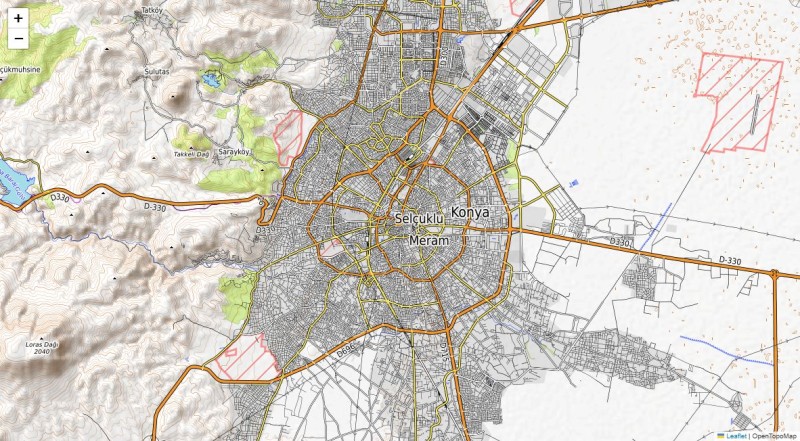
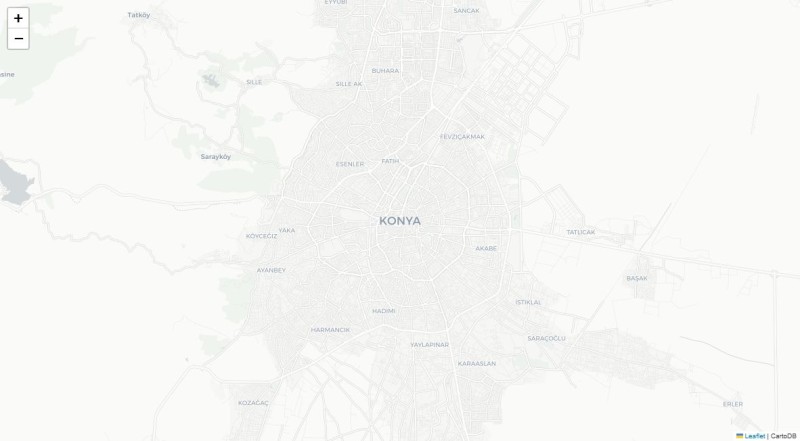
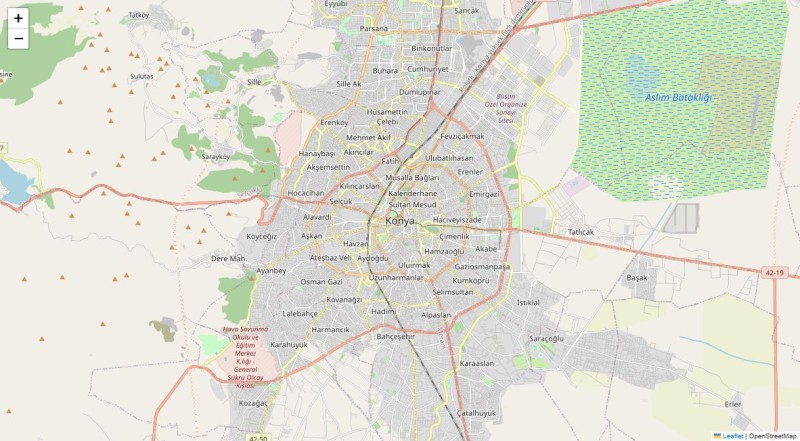
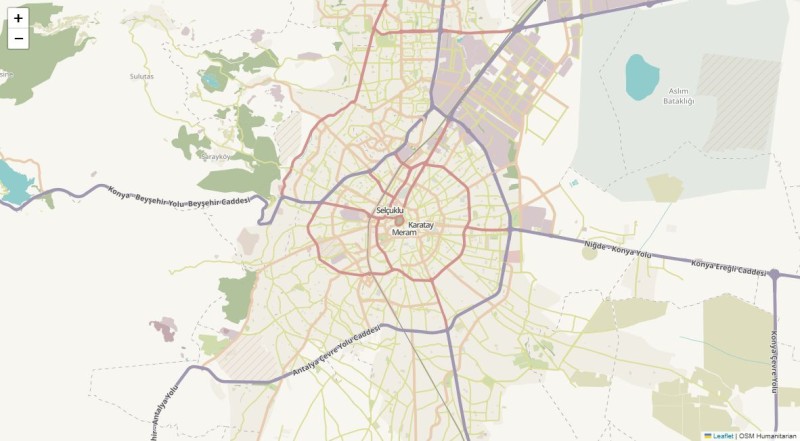
Konya Unveiled: Decoding Anatolia's Heartbeat & Future Maps for 2026
Strategic Insights
- Anatolia's Spiritual Capital: Home to the Whirling Dervishes and Rumi's legacy.
- Agricultural Powerhouse: A key hub for Turkey's grain and sugar production.
- Emerging Industrial Zone: Significant investments in automotive and machinery sectors.
- Educational Nexus: Hosts several prominent universities, fostering a young, dynamic populace.
- Logistics & Connectivity Hub: Central location with excellent rail and road networks.
Local Landmarks
- Mevlana Museum: The mausoleum of Rumi, a global pilgrimage site for Sufis.
- Alaeddin Mosque: A magnificent 13th-century Seljuk masterpiece atop Alaeddin Hill.
- Ince Minare Medrese: A Seljuk theological school renowned for its ornate stone portal.
- Karatay Medrese: Features stunning tilework and now houses a ceramic museum.
- Japanese Kyoto Garden: A unique, tranquil green space celebrating Turkish-Japanese friendship.
Urban Protocol
- Respectful Attire: Dress modestly, especially when visiting religious sites.
- Sufi Etiquette: Observe silence and reverence at the Mevlana Museum and during Sema ceremonies.
- Public Transport: Efficient tram and bus systems are the primary mode of city travel.
- Culinary Customs: Expect traditional Turkish hospitality; try 'Etli Ekmek' (meat bread).
- Language Nuances: Turkish is dominant, but younger generations in urban centers may speak English.
DEMOGRAPHIC MOMENTUM (K-SCALE)
URBAN VIBE CHECK
BEYOND THE BROCHURES: KONYA
Konya in 2026: The Nexus of Tradition and Tomorrow
Konya, often revered as the spiritual capital of Turkey, is much more than a historical relic; it is a vibrant urban center undergoing significant transformation. In 2026, the city of Konya represents a fascinating case study in balancing profound cultural heritage with ambitious economic and infrastructural growth. Its identity is inextricably linked to Jalal ad-Din Muhammad Rumi, the 13th-century Persian poet, Islamic scholar, and theologian, whose legacy continues to draw millions of pilgrims and tourists to the Mevlana Museum annually. This spiritual anchor provides a unique cultural context that permeates every aspect of city life, from its conservative social fabric to its architectural endeavors. However, looking beyond its spiritual allure, Konya is strategically positioned as a critical agricultural hub and an increasingly important industrial player within Turkey, making it a multifaceted destination for both cultural exploration and economic insight.
Demographic Dynamics & Social Fabric: A Young and Growing Metropolis
By 2026, Konya’s metropolitan population is projected to exceed 2.3 million, exhibiting a steady, organic growth attributed to both natural increase and migration from surrounding rural areas seeking better educational and economic opportunities. This demographic trend results in a notably young population, a critical asset for the city’s future labor force and innovation capacity. The social fabric of Konya is distinctly conservative, reflecting its deep Islamic roots and the enduring influence of Sufi traditions. While modernity brings new conveniences and global connectivity, traditional values remain prominent, influencing daily life, dress codes, and social interactions. This unique blend creates a respectful and orderly urban environment, though it means a more subdued ‘nightlife’ compared to more secular Turkish cities. Education plays a pivotal role, with institutions like Selçuk University and Konya Technical University serving as intellectual powerhouses, attracting students from across Turkey and beyond, further enriching the city’s intellectual capital and fostering a subtle but discernible shift towards a more globally aware populace.
Economic Engine & Agricultural Powerhouse: Beyond the Wheat Fields
Historically, Konya has been the ‘breadbasket of Turkey,’ owing to its vast, fertile plains. Agriculture, particularly wheat and sugar beet cultivation, remains a cornerstone of its economy. However, 2026 sees Konya diversifying its economic portfolio significantly. The city has emerged as a formidable industrial center, specializing in machinery manufacturing, automotive spare parts, and agricultural equipment. Strategic investments in organized industrial zones (OIZs) have attracted both domestic and international companies, creating thousands of jobs and fostering a skilled workforce. The city’s central Anatolian location also positions it as a vital logistics and transportation hub, with robust rail and road networks facilitating the movement of goods across Turkey and to neighboring regions. This economic dynamism, fueled by a supportive local government and a growing population, signals Konya’s trajectory towards becoming a regional economic powerhouse, moving beyond its traditional agricultural identity.
Urban Planning & Infrastructure for 2026: Smart Growth in the Heartland
Konya’s urban development strategy for 2026 emphasizes smart, sustainable growth that respects its historical footprint while accommodating modern needs. Significant infrastructure projects have been completed or are underway, including expansions of its light rail (tram) system, enhancing intra-city mobility and reducing traffic congestion. The city is investing in green spaces and parks, such as the Japanese Kyoto Garden and numerous local parks, to improve urban livability and provide recreational opportunities. Digital infrastructure is also a priority, with increased public Wi-Fi access and smart city initiatives aimed at optimizing urban services from waste management to traffic flow. Housing developments are designed to cater to a growing population, offering a mix of affordable and modern residential options, carefully integrated to avoid sprawling urban blight. These initiatives reflect a commitment to creating a highly functional, aesthetically pleasing, and environmentally conscious city for its residents and visitors.
Cultural Preservation & Modern Integration: The Dance of Eras
Konya’s success lies in its ability to respectfully integrate its profound historical and spiritual heritage with the demands of the modern era. The Mevlana Museum, a UNESCO World Heritage Tentative Site, is meticulously preserved and serves as a global beacon for Sufi culture. Beyond the iconic Dervishes, the city is dotted with Seljuk-era mosques, madrasas (theological schools), and caravanserais, each telling a story of Anatolia’s rich past. Contemporary cultural initiatives include modern art galleries, performance venues, and annual festivals that celebrate both traditional Turkish arts and international cultural exchanges. The city actively promotes traditional crafts, from rug weaving to copper working, ensuring that these skills are passed down through generations. This conscious effort to maintain its cultural distinctiveness while opening its doors to new ideas and influences ensures that Konya remains authentic yet accessible, offering a unique cultural experience that is both deeply rooted and forward-looking.
Future Outlook & Investment Potential: A Glimpse Ahead
Looking ahead to 2026 and beyond, Konya presents significant investment potential, particularly in sectors such as sustainable agriculture, advanced manufacturing, and logistics. Its strategic geographical position, coupled with a young, educated workforce and supportive local governance, makes it an attractive destination for both domestic and international investors. Tourism, driven by its spiritual heritage, is also set for continued growth, with efforts to enhance visitor infrastructure and diversify attractions beyond the Mevlana Museum. The city’s commitment to green technology and smart urban solutions further positions it as a leader in sustainable development within Turkey. As global markets seek stability and authentic cultural experiences, Konya, with its unique blend of ancient wisdom and modern ambition, is poised to strengthen its standing as a vital, resilient, and deeply rewarding destination in the heart of Anatolia.