Diyarbakir Maps & Guides
Diyarbakir's Resurgence: An Urban Blueprint and Cultural Maps for 2026
Strategic Insights
- Tigris River Basin Development Initiatives
- Agricultural Sector Modernization & Export Focus
- Emerging Cross-Regional Trade Gateway Status
- Investment in Digital Infrastructure & Tech Startups
- UNESCO Heritage-Led Sustainable Tourism Drive
Local Landmarks
- Diyarbakir Fortress and Hevsel Gardens (UNESCO World Heritage)
- Ulu Cami (Great Mosque of Diyarbakir)
- Ten-Eyed Bridge (On Gözlü Köprü) over the Tigris
- Hasan Pasha Han (Historic Caravanserai & Bazaar)
- Surp Giragos Armenian Church (Recently Restored)
Urban Protocol
- Observe Modest Dress in Religious Sites and Traditional Areas
- Embrace Local Hospitality; Tea Invitations are Common
- Bargaining is Customary in Bazaars and Markets
- Photography of People Requires Prior Permission
- Public Transport (Dolmuş/Buses) is Efficient for City Navigation
DEMOGRAPHIC MOMENTUM (K-SCALE)
URBAN VIBE CHECK
BEYOND THE BROCHURES: DIYARBAKIR
Echoes of Empires: Diyarbakir’s Storied Past
To comprehend Diyarbakir in 2026 is to first journey through its profound historical layers. Known as ‘Amed’ in Kurdish, ‘Diyarbekir’ historically, and by various names under Roman, Byzantine, Arab, Seljuk, and Ottoman rule, the city’s identity is inextricably linked to its formidable black basalt walls. These UNESCO World Heritage-listed ramparts, second only to the Great Wall of China in length and preservation, encircle a city that has been a strategic stronghold and cultural melting pot for over 9,000 years. Its location on the Tigris River, at the crossroads of ancient trade routes, cemented its importance as a center for commerce, religion, and military power. This historical depth is not confined to museums; it pulses through the city’s ancient mosques, churches, caravanserai, and narrow bazaar streets, creating an urban fabric unlike any other. The weight of this history shapes everything from its architectural preservation efforts to its residents’ deep connection to their heritage, forming a resilient foundation for its future trajectory.
The Demographic Tapestry of the Tigris
In 2026, Diyarbakir continues to be one of Turkey’s most populous cities, a vibrant demographic mosaic. The majority population is Kurdish, alongside significant Turkish, Arab, and smaller Armenian and Syriac communities, reflecting centuries of coexistence and interaction. The city has experienced significant internal migration, drawing populations from surrounding rural areas, leading to both urban expansion and demands on infrastructure. This youthful demographic, characterized by a higher birth rate than many other Turkish cities, fuels its energetic street life and contributes to a dynamic workforce. Urban planners in 2026 are keenly focused on managing this growth, providing adequate housing, education, and employment opportunities to ensure equitable development. Understanding these demographic realities is crucial for any engagement with Diyarbakir, as it underpins its social structures, economic activities, and cultural expressions.
Economic Currents: From Agriculture to Digital Hubs
Historically, Diyarbakir’s economy has been rooted in agriculture, leveraging the fertile lands of the Tigris basin. Wheat, barley, cotton, and various fruits and vegetables remain vital, with increasing investment in modern agricultural techniques and value-added processing for regional and international markets. However, the 2026 economic landscape shows a conscious diversification. The city is strategically positioned as a logistical hub for southeastern Anatolia and beyond, benefiting from improved road and air transport links. There’s a concerted effort to foster light industry, particularly in textiles and food processing, and to attract investment in emerging sectors like digital technologies and renewable energy. Small and medium-sized enterprises (SMEs) form the backbone of the local economy, driving innovation and employment. The goal is to transition from a purely agrarian base to a more robust, diversified economy capable of sustaining its growing population and leveraging its geographical advantages.
Urban Evolution: Modernity Meets Ancient Walls
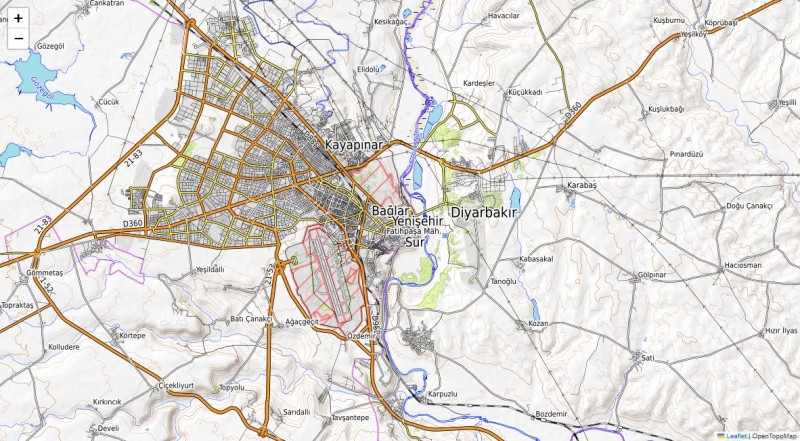
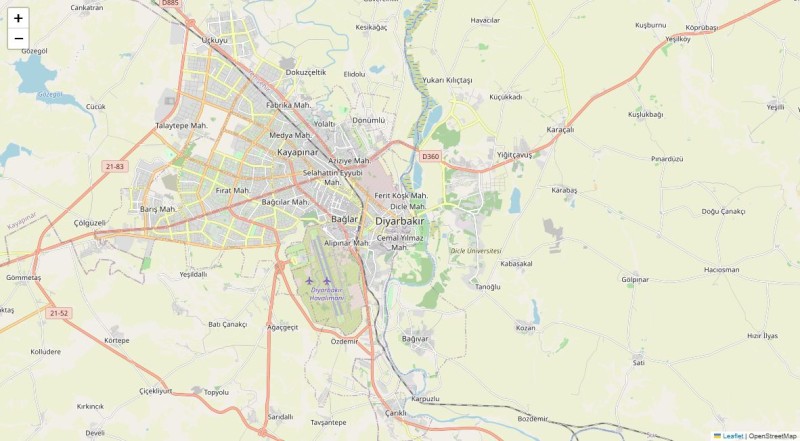
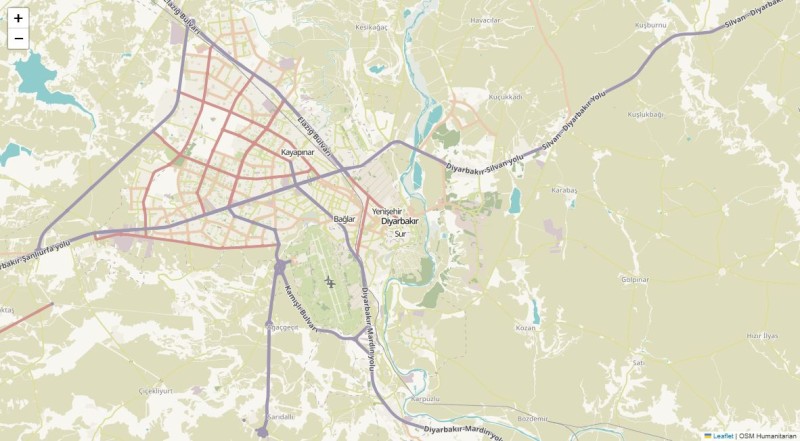
Diyarbakir’s urban development in 2026 is a balancing act between preserving its ancient heritage and embracing modern urban needs. Beyond the historical Sur district, new residential areas, shopping centers, and public parks have emerged, particularly in districts like Kayapınar and Bağlar. Infrastructure projects, including improved road networks, waste management, and public utilities, are ongoing to support urban expansion. The municipal government is investing in green spaces and revitalizing public areas, aiming to enhance livability. Challenges remain in managing informal settlements and ensuring that growth is inclusive and sustainable, but the clear trend is towards a more organized and resilient urban fabric. The preservation of the UNESCO World Heritage sites, particularly the Diyarbakir Fortress and Hevsel Gardens, remains a top priority, often informing broader urban planning decisions and promoting a sensitive approach to development.
Cultural Heartbeat: Arts, Cuisine, and Community
The cultural vitality of Diyarbakir is immense. Its rich culinary tradition, deeply influenced by Mesopotamian, Anatolian, and Middle Eastern flavors, is a highlight. Dishes like ‘Diyarbakir ciğer kebabı’ (liver kebab), ‘meftune’ (lamb and vegetable stew), and traditional pastries are celebrated. In 2026, the city’s coffee houses and traditional ‘kahvehane’ continue to be social hubs, while new cafes and restaurants reflect modern tastes. The city is also a center for Kurdish and regional folk music, literature, and handicrafts, with local artisans preserving ancient techniques in copperware, jewelry, and textile weaving. Festivals, though sometimes localized, celebrate this rich heritage. Community ties are strong, and family values are paramount, fostering a warm and welcoming atmosphere for those who engage respectfully with local customs. This cultural resilience is a defining characteristic, providing a vibrant backdrop to daily life.
Navigating the Urban Landscape: Infrastructure and Connectivity
Connectivity is key to Diyarbakir’s role as a regional hub. Diyarbakir Airport (DIY) provides domestic and increasingly, some international links, facilitating both business and tourism. The city’s bus terminal is a major nexus for intercity travel across Turkey’s southeast. Within the city, public transportation primarily relies on a network of municipal buses and ‘dolmuş’ (shared minibuses), which are efficient and affordable. Road infrastructure continues to improve, enhancing accessibility to surrounding provinces. Efforts are also being made to improve digital connectivity, with expanding 4G/5G networks and increased access to high-speed internet, crucial for business and communication in 2026. While navigating the older, walled city can be a walk through history, the newer districts offer modern transportation solutions, ensuring the city remains well-connected both internally and externally.
Looking Ahead: Diyarbakir’s 2026 Trajectory
Diyarbakir in 2026 is on a path of cautious but determined growth. The focus is on leveraging its strategic geographical position and rich cultural heritage to drive economic development and improve living standards for its expanding population. Investment in education, healthcare, and public services remains critical to ensure sustainable progress. The city’s unique blend of ancient history and contemporary ambition positions it as a fascinating case study in urban resilience and adaptation. While it faces the ongoing challenges typical of a rapidly developing regional center, its deep-rooted identity, vibrant community, and strategic initiatives paint a picture of a city steadily forging its future, always conscious of the millennia of history etched into its basalt walls. For the discerning analyst and traveler, Diyarbakir offers a profound exploration into the heart of Anatolia’s enduring legacy.