Banjul Maps & Guides
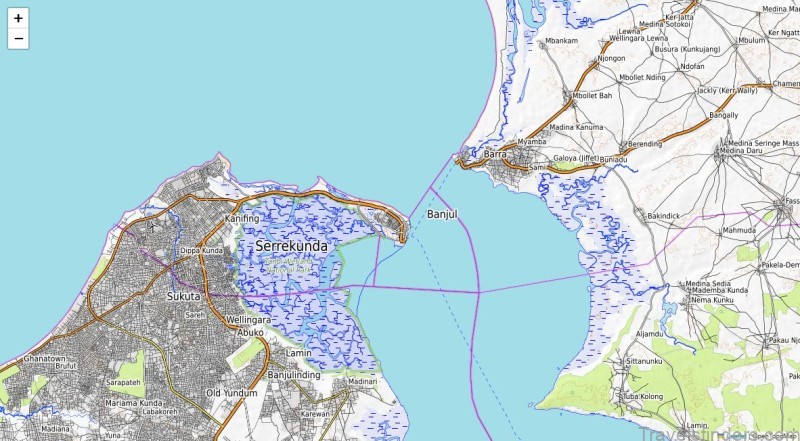
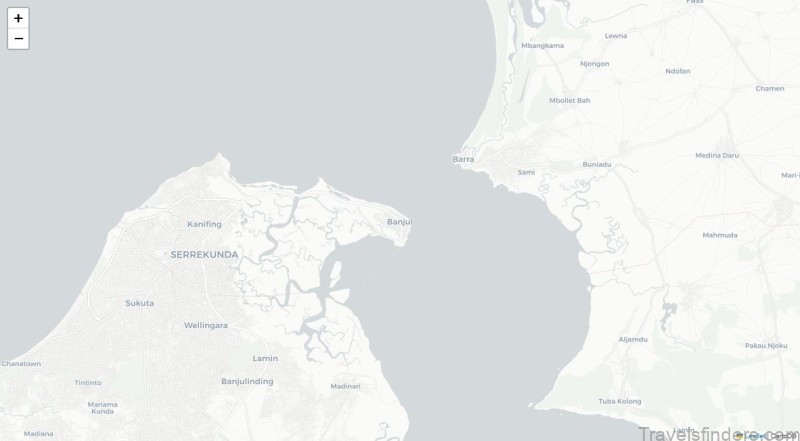
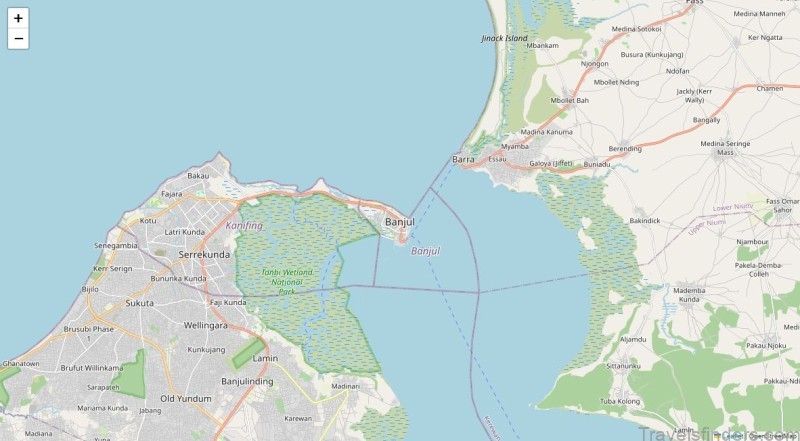
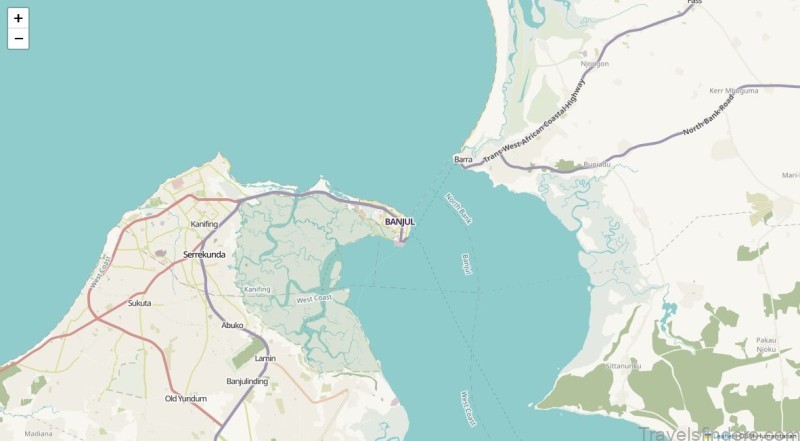
Banjul Unveiled: A 2026 Urban Analysis and Geopolitical Maps
Strategic Insights
- Coastal Resilience Initiatives against rising sea levels.
- Ecotourism development focus to diversify economic base.
- Port modernization projects enhancing regional trade links.
- Renewable energy integration for urban sustainability.
- Digital infrastructure expansion to foster innovation hubs.
Local Landmarks
- Arch 22 (Gateway to Banjul)
- Albert Market (Vibrant commercial hub)
- Banjul State House (Presidential residence)
- Banjul National Museum (Historical & cultural artifacts)
- King Fahad Mosque (Prominent Islamic architecture)
Urban Protocol
- Bargaining is expected in local markets; negotiate respectfully.
- Dress modestly, especially when visiting religious sites.
- Always carry identification; security checks are routine.
- Photography may require permission in certain areas or of individuals.
- Hydrate frequently; the tropical climate can be demanding.
DEMOGRAPHIC MOMENTUM (IN THOUSANDS)
URBAN VIBE CHECK
BEYOND THE BROCHURES: BANJUL
The Historical Tapestry: Echoes of Colonialism and Independence
Banjul’s origins trace back to 1816 when the British founded it as Bathurst, a strategic outpost for suppressing the slave trade. Its name change to Banjul in 1973, following The Gambia’s independence, symbolized a break from its colonial past and a reassertion of national identity. This historical bedrock deeply influences the city’s urban fabric, visible in its grid-patterned central district and the architectural remnants of its colonial era. The past is not merely preserved in museums but lives in the daily interactions, the enduring influence of various ethnic groups, and the stories told in the bustling Albert Market. Understanding Banjul requires an appreciation for this journey from a strategic naval base to a sovereign capital, a narrative of resilience and evolving self-determination that continues to shape its character.
Demographic Dynamics: A Young and Growing Metropolis
As of 2026, Banjul, particularly the broader Greater Banjul Area (GBA), continues its trajectory of dynamic demographic growth. The GBA, encompassing Banjul proper and surrounding urbanized districts like Serekunda and Brikama, is home to over a million inhabitants, representing a significant portion of the national population. This growth is primarily driven by a high birth rate and continuous rural-to-urban migration, as individuals seek better economic opportunities and access to services. The population remains remarkably young, with a substantial proportion under the age of 25, presenting both opportunities and challenges. This youthful demographic fuels a vibrant energy but also places immense pressure on infrastructure, education, and employment sectors. Understanding these demographic shifts is crucial for any strategic engagement with Banjul, highlighting the need for sustainable urban planning and robust social programs.
Economic Engines: Port, Tourism, and Informal Resilience
Banjul’s economy is multifaceted, anchored by three primary pillars. The Port of Banjul remains the lifeblood of the city and a critical regional hub for transit trade, facilitating imports and exports for The Gambia and neighboring landlocked countries. Ongoing modernization projects aim to enhance its capacity and efficiency, solidifying its strategic importance. Tourism, particularly coastal resorts just outside the city proper, forms another vital income stream, attracting visitors seeking sun, sand, and cultural immersion. While the sector is sensitive to global travel trends, sustainable and eco-friendly tourism initiatives are increasingly being prioritized. Lastly, the informal sector, dominated by small businesses, street vendors, and traditional markets like Albert Market, provides livelihoods for a vast segment of the population, showcasing the entrepreneurial spirit and resilience of Banjul’s residents. This diverse economic base, while showing promising signs of growth, still grapples with issues of diversification and formalization.
Urban Planning and Infrastructure: Navigating Growth and Challenges
Banjul’s urban development in 2026 is a complex interplay of progress and persistent challenges. Decades of underinvestment have left some infrastructure strained, but concerted efforts are underway to address these gaps. Road networks are gradually being improved, though traffic congestion remains a peak-hour reality. Access to clean water and sanitation, while improving in core urban areas, remains a priority for peripheral settlements. The city faces significant vulnerabilities to climate change, particularly rising sea levels and coastal erosion, necessitating adaptive urban planning and infrastructure resilient to these environmental pressures. Projects focused on renewable energy, waste management, and sustainable housing are gaining traction, signaling a commitment to a greener, more resilient urban future, albeit one that requires substantial international partnership and investment.
Cultural Panorama: A Mélange of Traditions
Banjul is a microcosm of Gambian culture, reflecting the diverse ethnic groups that call the nation home – Mandinka, Fula, Wolof, Jola, and others. This rich cultural tapestry is evident in the city’s culinary scene, its vibrant music and dance traditions, and the myriad languages spoken. Religious tolerance is a hallmark, with mosques and churches coexisting peacefully, and national holidays often reflecting both Islamic and Christian traditions. Traditional crafts, storytelling, and local festivals offer deep insights into the Gambian way of life, providing an authentic cultural experience distinct from more commercialized destinations. The National Museum serves as a crucial repository of this heritage, while local community centers and art spaces actively foster contemporary cultural expressions. Engaging with Banjul’s culture is an immersion into the heart of West African identity.
Environmental Considerations: Coastal Vulnerabilities and Conservation Efforts
Positioned on a low-lying island, Banjul is acutely aware of its environmental vulnerabilities. The threat of rising sea levels and coastal erosion looms large, prompting government and international organizations to invest in coastal protection measures, including mangrove restoration and sea wall construction. Beyond these immediate threats, the city is grappling with sustainable waste management solutions, including efforts to reduce plastic pollution and improve recycling infrastructure. The Gambia River estuary itself is a critical ecosystem, supporting diverse marine life and bird populations, and conservation efforts extend to protecting these natural assets. Ecotourism initiatives, particularly in areas surrounding the city, seek to harness the natural beauty of the region while promoting environmental stewardship, positioning Banjul as a gateway to exploring The Gambia’s rich biodiversity responsibly.
Future Trajectories: Vision 2026 and Beyond
The strategic vision for Banjul, aligned with national development plans, focuses on transforming the city into a modern, sustainable, and inclusive urban center by 2030 and beyond. Key initiatives include enhancing digital connectivity, fostering a knowledge-based economy, and strengthening regional trade ties. Investment in human capital through improved education and vocational training is paramount to empower the youthful population. The city aims to leverage its unique geographical position and cultural heritage to attract responsible investment and tourism, while simultaneously addressing pressing social challenges such as youth unemployment and access to quality healthcare. Banjul’s future is being meticulously planned, aspiring to balance economic growth with environmental protection and social equity, promising a trajectory of steady, albeit challenging, progress.