Hamburg Maps & Guides
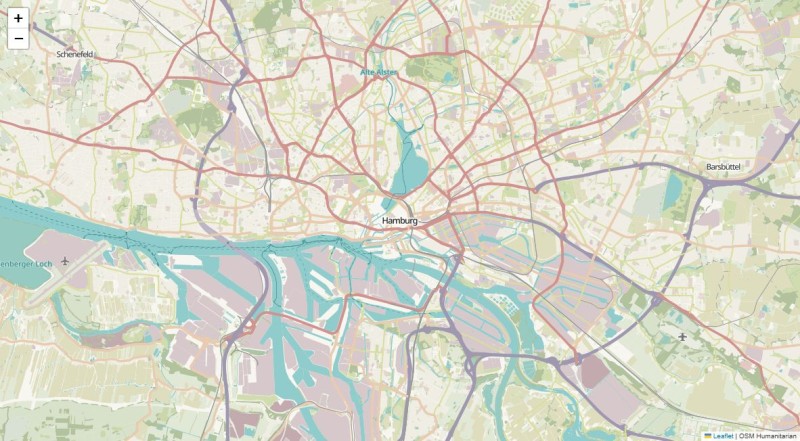
Hamburg: A 2026 Urban Analysis & Essential Maps for the Discerning Traveler
Strategic Insights
- Europe's 3rd largest port: a global logistics hub.
- Thriving media, aviation, and renewable energy sectors.
- High quality of life index attracting international talent.
- Significant investment in smart city infrastructure by 2026.
- Gateway to Northern Europe and Scandinavia markets.
Local Landmarks
- Elbphilharmonie: Architectural marvel and concert hall.
- Speicherstadt & HafenCity: UNESCO warehouse district meets modern urbanism.
- Miniatur Wunderland: World's largest model railway exhibition.
- Reeperbahn: Vibrant entertainment and nightlife district.
- Rathaus (City Hall): Neo-Renaissance masterpiece of governance.
Urban Protocol
- Efficient public transport (HVV): U-Bahn, S-Bahn, buses, ferries.
- Punctuality and direct communication are valued in local interactions.
- Tipping (Trinkgeld) is customary, typically 5-10% for good service.
- Euro (€) is the official currency; card payments widely accepted.
- Emergency Services: 112 for police, fire, and ambulance.
DEMOGRAPHIC MOMENTUM (K-SCALE)
URBAN VIBE CHECK
BEYOND THE BROCHURES: HAMBURG
The Port City’s Pulse: A Strategic Nexus in 2026
Hamburg, Germany’s second-largest city, continues to solidify its reputation as a global player in 2026. At its core remains the colossal Port of Hamburg, Europe’s third-largest, which acts as the city’s economic heartbeat and a vital artery for international trade. This isn’t merely a logistical hub; it’s a living, breathing ecosystem of innovation, driving sectors from maritime technology and logistics to aviation and renewable energies. The city’s proactive investment in smart port solutions and sustainable urban development underscores its commitment to future-proofing its prosperity. For the urban analyst, Hamburg presents a fascinating case study in adaptive resilience, maintaining its traditional maritime identity while embracing the digital frontier and green economy principles.
Demographic Dynamics: A Melting Pot on the Elbe
In 2026, Hamburg’s population stands robustly, estimated to hover around 1.86 million residents, reflecting a steady, albeit moderate, growth trajectory. This demographic expansion is fueled by both internal migration within Germany and a significant influx of international talent drawn by the city’s economic opportunities and high quality of life. The city boasts a notably diverse population, with approximately one-third of its residents having a migration background. This multicultural fabric enriches Hamburg’s social and cultural landscape, contributing to a vibrant tapestry of languages, cuisines, and traditions. Age-wise, Hamburg maintains a relatively youthful profile compared to many other German cities, benefiting from a strong university presence and an attractive job market for young professionals. The commitment to integration policies and robust social infrastructure ensures a cohesive and inclusive urban environment, despite the pressures of growth.
Economic Engine: Innovation and Industry
Beyond its port, Hamburg’s economy in 2026 is diversified and robust. It’s a major media capital, home to leading publishing houses and digital agencies. The aerospace industry, particularly with Airbus’s significant presence, remains a cornerstone, driving advanced manufacturing and engineering innovation. The city has also emerged as a European leader in renewable energies, particularly wind power, attracting significant R&D and investment. This focus on future-oriented industries, coupled with a strong service sector, provides a stable and dynamic economic base. Unemployment rates are projected to remain low, signaling a healthy job market and continued opportunities for skilled workers. The city’s strategic location and excellent infrastructure further enhance its appeal as a business destination.
Cultural Currents: From High Art to Harbour Charm
Hamburg’s cultural scene in 2026 is as diverse as its population. The iconic Elbphilharmonie remains the undisputed crown jewel, offering world-class classical music performances in an architecturally stunning setting. However, the city’s cultural offerings extend far beyond. The historic Speicherstadt, a UNESCO World Heritage site, is not just an architectural marvel but also houses a myriad of museums, galleries, and attractions like Miniatur Wunderland, drawing millions annually. The Reeperbahn in St. Pauli continues its legacy as a vibrant entertainment district, evolving to include more sophisticated bars and experimental theaters alongside its traditional nightlife. Hamburg’s numerous theaters, art galleries, and live music venues cater to all tastes, reflecting a city that values both its heritage and contemporary artistic expression. Furthermore, the burgeoning HafenCity district serves as a canvas for modern architecture and urban design, continually adding new cultural venues and public spaces.
Navigating Hamburg: Seamless Urban Mobility
Public transport in Hamburg, operated by HVV, is exceptionally efficient and comprehensive. The U-Bahn (underground), S-Bahn (suburban rail), bus network, and even ferry lines seamlessly connect all parts of the city. In 2026, continued investments in digital ticketing and real-time information systems make navigation effortless for residents and visitors alike. Cycling is also heavily promoted, with an expanding network of dedicated bike lanes and rental services. For those venturing beyond the city center, regional trains offer excellent connections to other German cities and coastal areas. The city’s commitment to reducing private car reliance and promoting sustainable transport options is evident, contributing to a greener and more pleasant urban experience.
Culinary Canvas: A Taste of the North
Hamburg’s culinary landscape in 2026 is a delightful fusion of traditional northern German fare and international gastronomy. Fresh seafood, especially fish sandwiches (Fischbrötchen), remains a staple, reflecting the city’s maritime heritage. Beyond this, a Michelin-starred scene thrives alongside innovative plant-based restaurants and authentic international eateries, particularly in diverse neighborhoods like St. Georg and Altona. Craft beer culture continues to flourish, with numerous microbreweries offering local brews. The city’s vibrant weekly markets, such as the Isemarkt, provide an abundance of fresh, regional produce and artisanal goods, offering a true taste of local life. From cozy ‘Kneipen’ (pubs) to upscale dining, Hamburg caters to every palate and budget.
The Future Horizon: Sustainable Growth and Digital Living
Looking ahead from 2026, Hamburg is steadfast in its pursuit of sustainable growth and digital transformation. The HafenCity project, one of Europe’s largest inner-city development initiatives, continues to expand, creating new residential, commercial, and recreational spaces while adhering to stringent ecological standards. The city’s ‘Smart City Strategy’ aims to leverage technology for improved urban services, traffic management, and environmental protection. Initiatives focusing on renewable energy production, electromobility, and green infrastructure are integral to its vision of becoming a truly sustainable metropolis. Hamburg’s forward-thinking approach ensures it remains a dynamic, livable, and attractive city for generations to come, balancing economic prowess with ecological responsibility and social cohesion.