Copenhagen Maps & Guides
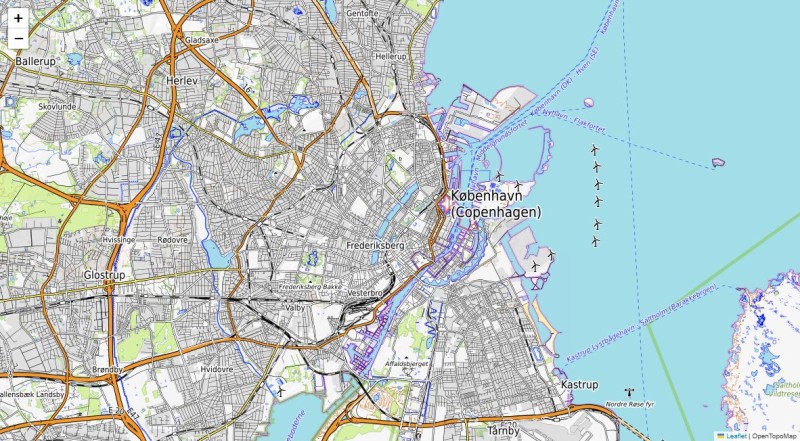
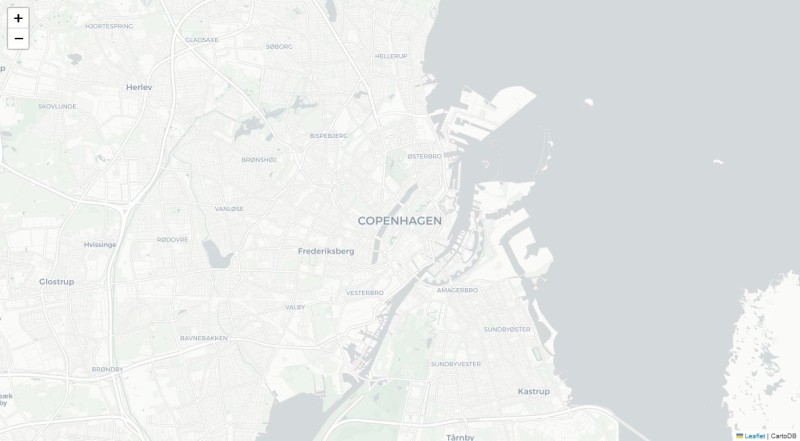
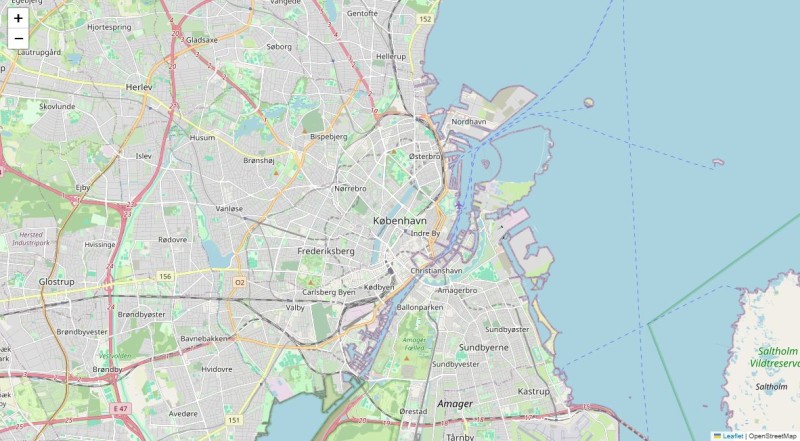
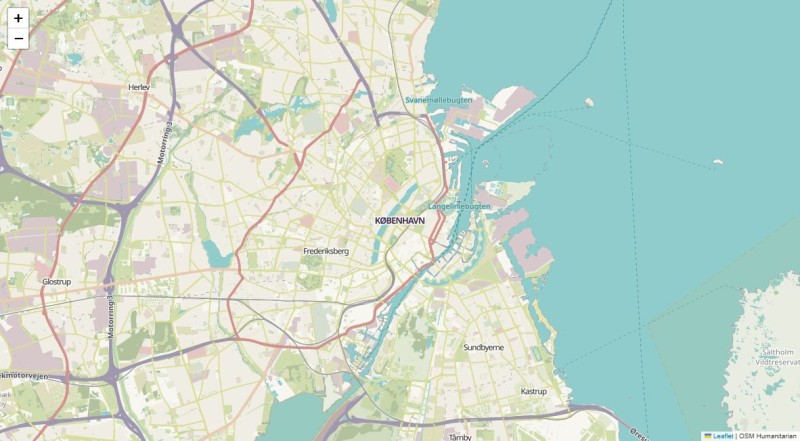
Copenhagen: The Nordic Vanguard – A 2026 Urban Analysis and Demographic Map
Strategic Insights
- Leader in Smart City Tech: Integrated urban planning with AI-driven traffic management and climate resilience systems.
- Circular Economy Hub: Pioneering initiatives in waste-to-energy conversion and sustainable resource management.
- Bicycle Superhighways: Continued expansion of car-free infrastructure, reinforcing its status as the world's most bike-friendly metropolis.
- Green Transition Catalyst: Significant public and private investment in offshore wind and carbon capture technologies.
- Work-Life Integration: High productivity paired with robust social welfare, fostering a balanced and innovative workforce.
Local Landmarks
- CopenHill (Amager Bakke): Waste-to-energy plant with an artificial ski slope and hiking trail, a symbol of sustainable urbanism.
- Superkilen Park: A vibrant, ethnically diverse urban space designed to celebrate global cultures and foster community.
- Tjørnegaardens Naturpark: An emerging urban nature park offering biodiversity and recreational opportunities close to the city center.
- BLOX: A stunning architectural complex housing the Danish Architecture Center, a symbol of modern design and public engagement.
- Reffen – Copenhagen Street Food: A dynamic, sustainable street food market on Refshaleøen, showcasing global culinary trends and local innovation.
Urban Protocol
- Cashless Society: Expect minimal cash transactions; digital payments are ubiquitous and preferred across all sectors.
- Cycling Etiquette: Always signal turns, adhere to bike lane rules, and be mindful of pedestrians.
- Hyggelig Interactions: Embrace the Danish concept of 'hygge' – seek out cozy, convivial experiences, often involving good food and company.
- Sustainability Mindset: Danes are environmentally conscious; respect recycling guidelines and minimize waste.
- Public Transport Punctuality: Metro and S-trains are highly efficient; trust scheduled times and use apps for real-time updates.
DEMOGRAPHIC MOMENTUM (K-SCALE)
URBAN VIBE CHECK
BEYOND THE BROCHURES: COPENHAGEN
Copenhagen in 2026: A Blueprint for the Future City
Copenhagen, often lauded as the paragon of urban liveability, continues its trajectory as a global leader in sustainable development and smart city initiatives as we enter 2026. Its commitment to environmental excellence, coupled with a robust social welfare model, has created a dynamic yet harmonious urban fabric. The city’s ambitious goal of achieving carbon neutrality by 2025 has largely been met, with ongoing projects pushing towards carbon positivity through innovative energy solutions like advanced offshore wind farms and cutting-edge carbon capture technologies integrated into its district heating networks. This green agenda isn’t just policy; it’s woven into the daily lives of its citizens, visible in the pervasive cycling culture, the ubiquitous green spaces, and the conscientious consumption habits.
Demographic Dynamics: A Thriving Cosmopolitan Hub
The demographic landscape of Greater Copenhagen in 2026 reflects continued growth and diversification. The metropolitan area now comfortably hosts over 1.4 million residents, driven by both natural increase and significant international migration. This influx is largely composed of highly skilled professionals drawn to Denmark’s burgeoning tech, biotech, and green energy sectors, alongside a steady stream of international students. This has led to a noticeable increase in cultural diversity, enriching the city’s culinary scene, arts, and social dynamics. While the core Danish population remains significant, the presence of diverse communities from across Europe, Asia, and North America is increasingly shaping the city’s future identity. This demographic momentum presents both opportunities and challenges, fueling innovation while also requiring vigilant urban planning to ensure equitable access to housing, infrastructure, and public services.
Economic Engine: Innovation, Design, and Green Tech
Copenhagen’s economy in 2026 is robust and resilient, anchored by strong sectors in design, pharmaceuticals (especially biotech), maritime logistics, and, crucially, green technology. The Øresund Region, connecting Copenhagen with Malmö, Sweden, forms a powerful economic corridor, fostering collaboration and innovation across borders. The city’s startup ecosystem is thriving, attracting venture capital with its focus on sustainable solutions, AI, and fintech. Government support for R&D, coupled with a highly educated workforce and a transparent business environment, makes Copenhagen an attractive destination for foreign direct investment. Furthermore, the city’s reputation as a global design capital continues to draw talent and creative industries, cementing its position at the forefront of contemporary aesthetics and functional innovation.
Infrastructure and Connectivity: Seamless Urban Mobility
Transportation in Copenhagen remains an exemplary model for urban mobility. The city’s extensive network of bicycle superhighways has expanded further, making cycling the preferred mode of transport for over 60% of daily commutes. Electric buses and autonomous public transport trials are becoming more common, complementing the highly efficient Metro and S-train systems. Copenhagen Airport (CPH) serves as a vital international gateway, constantly upgrading its facilities to handle increasing passenger volumes and incorporating sustainable practices in its operations. The city’s digital infrastructure is equally advanced, with widespread 5G connectivity and public Wi-Fi hotspots, ensuring seamless communication and supporting its smart city initiatives. These integrated systems contribute significantly to Copenhagen’s low traffic congestion and high air quality.
Social Fabric and Liveability: The Hygge Effect Amplified
The famed Danish concept of ‘hygge’ – a quality of coziness and comfortable conviviality – continues to define Copenhagen’s social fabric. Public spaces are meticulously designed to encourage community interaction, from waterfront promenades and urban parks to bustling food markets and cultural institutions. The city prioritizes work-life balance, offering generous parental leave, affordable childcare, and a culture that values personal time. Healthcare and education systems are world-class and accessible, contributing to high levels of resident satisfaction. While the cost of living remains high, the quality of life, environmental cleanliness, and social safety nets largely compensate, making Copenhagen a highly desirable place to live, work, and visit. The ongoing urban regeneration projects, particularly in former industrial zones like Nordhavn and Refshaleøen, are creating new residential and recreational areas that further enhance the city’s appeal, showcasing a thoughtful evolution of urban spaces that balance modernity with a deep respect for natural surroundings and community well-being.
Challenges and Future Outlook: Navigating Growth
Despite its many successes, Copenhagen faces challenges inherent in rapid growth and desirability. Housing affordability remains a significant concern, with demand outstripping supply. The city is actively addressing this through new construction projects and innovative housing models, including co-housing and mixed-use developments, though the pace of development struggles to keep up. Integration of new immigrant populations, while largely successful, requires continuous investment in language programs and social services. Climate change also presents ongoing challenges, particularly concerning sea-level rise and extreme weather events, which Copenhagen proactively tackles through advanced storm surge barriers and sustainable urban drainage systems. Looking forward, Copenhagen aims to solidify its position as a global green finance hub, leveraging its expertise in sustainable development to attract more international investment and talent. The city’s strategic focus on innovation, inclusion, and ecological responsibility ensures its continued evolution as a truly exemplary urban center, setting benchmarks for cities worldwide long into the mid-21st century and beyond.