Dublin Maps & Guides
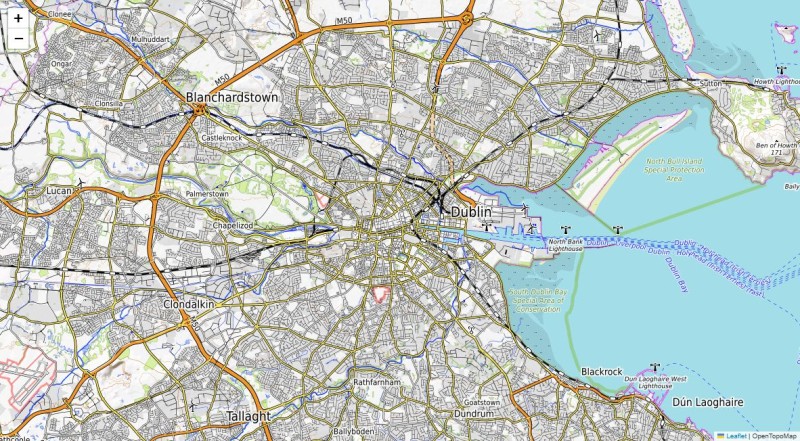
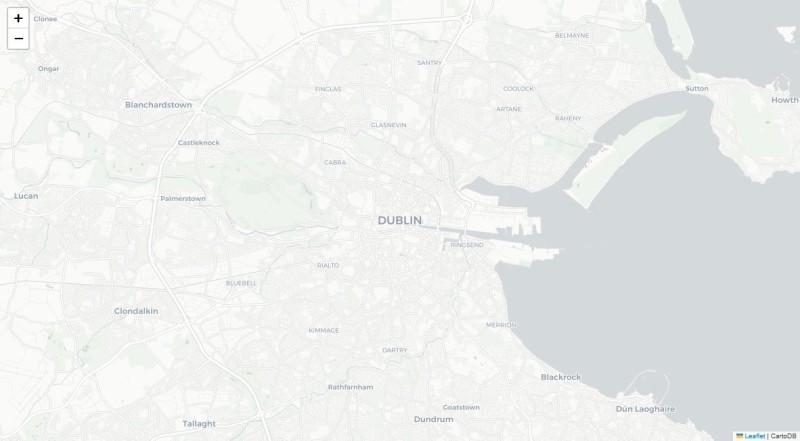
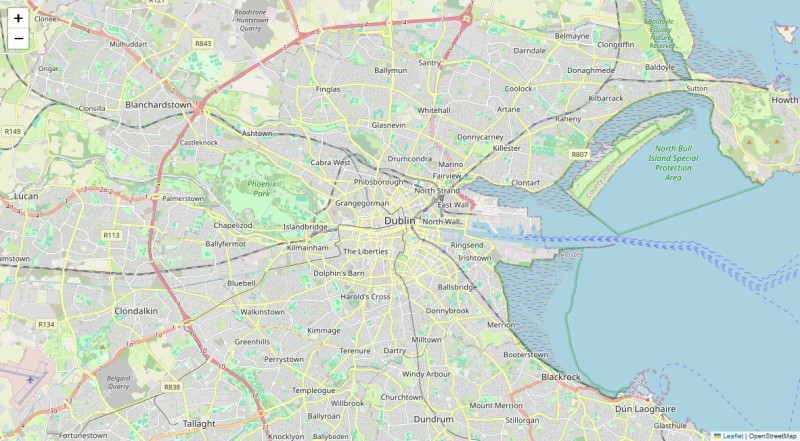
Dublin's 2026 Urban Dossier: A Deep Dive into the Emerald City's Maps & Momentum
Strategic Insights
- Tech Hub Ascendancy: A global magnet for innovation giants and startups, driving a dynamic employment landscape.
- EU Gateway Post-Brexit: Enhanced strategic importance as a stable, English-speaking entry point to the European market.
- Cultural Preservation & Modernity: Balancing deep historical roots with contemporary artistic and social progression.
- Green Economy Initiatives: Significant investments in sustainable urban planning, public transport, and renewable energy.
- Innovation Corridor Focus: Development of research and development clusters, particularly in biotech and digital sectors.
Local Landmarks
- Guinness Storehouse: An immersive journey into Ireland's iconic stout, offering panoramic city views from the Gravity Bar.
- Trinity College Dublin & The Book of Kells: Home to Ireland's most prestigious university and a priceless illuminated manuscript.
- Dublin Castle: A complex of government buildings, gardens, and museums, charting centuries of Irish history.
- Temple Bar: The vibrant cultural quarter, famed for its lively pubs, street performers, and eclectic art scene.
- St. Patrick's Cathedral: Ireland's largest cathedral, a magnificent gothic structure with a rich historical and spiritual legacy.
Urban Protocol
- Public Transport Efficiency: Leverage the DART, Luas tram system, and extensive bus network for seamless city navigation.
- Cashless Transactions Prevalent: Most establishments prefer or require card payments; cash is less commonly used.
- Tipping Etiquette: A modest tip (10-15%) for good service in restaurants; often rounded up in pubs/taxis.
- Pub Culture Immersion: Engage respectfully in local pub traditions; it's a social hub, not just for drinking.
- Weather Preparedness: Dublin's climate is famously changeable; layers and waterproofs are essential year-round.
DEMOGRAPHIC MOMENTUM (K-SCALE)
URBAN VIBE CHECK
BEYOND THE BROCHURES: DUBLIN
The Emerald City’s 2026 Pulse
Dublin in 2026 is a city in constant evolution, successfully navigating the complexities of post-Brexit Europe while solidifying its position as a global player. The Greater Dublin Area (GDA) has experienced sustained growth, with an urban population projected to comfortably exceed 1.4 million, reflecting a robust economy and significant inward migration. The city core, while preserving its historic charm, is increasingly characterized by a modern skyline, particularly around the Docklands, known affectionately as ‘Silicon Docks’. This transformation isn’t just architectural; it’s a cultural metamorphosis, blending traditional Irish warmth with a cosmopolitan edge that attracts talent and visitors from every corner of the globe. The city’s demographic momentum is palpable, creating a vibrant, albeit at times crowded, urban experience.
Economic Currents: Silicon Docks and Beyond
Dublin’s economic engine in 2026 is driven primarily by its thriving technology sector, a legacy of attracting major multinational corporations like Google, Meta, Amazon, and Microsoft. These giants continue to anchor the ‘Silicon Docks,’ fostering a vibrant startup ecosystem and high-skilled employment. Beyond tech, financial services, pharmaceuticals, and professional services are significant contributors, reinforced by Dublin’s status as an English-speaking EU member post-Brexit. This has positioned the city as a crucial gateway for businesses seeking access to the European single market. Despite global economic fluctuations, Dublin’s diversified economy has shown remarkable resilience, though challenges remain in managing rapid growth, particularly in housing affordability and infrastructure capacity. The Irish government’s strategic focus on R&D and digital innovation ensures Dublin remains competitive on the global stage, attracting further foreign direct investment and high-value jobs.
Demographic Dynamics: A Melting Pot of Progress
Demographically, Dublin in 2026 is a vibrant mosaic. The population continues its upward trajectory, fueled by a healthy birth rate and significant international migration. The average age remains relatively young, contributing to the city’s dynamic energy and innovative spirit. Immigration from within the EU and further afield has enriched Dublin’s cultural fabric, leading to a truly diverse populace. This diversity is reflected in the city’s culinary scene, cultural events, and language tapestry. While this growth brings vitality, it also places considerable strain on urban resources. The outward expansion of the urban footprint continues, with new satellite towns and commuter belts emerging, necessitating substantial investment in public transport and social infrastructure to maintain quality of life for all residents. The city council is actively implementing strategies to foster integration and ensure equitable access to services for its diverse communities.
Infrastructure & Connectivity: Navigating the Urban Fabric
Connectivity is a hallmark of 2026 Dublin, both physically and digitally. The public transport network, encompassing the DART commuter rail, the Luas tram system, and an extensive bus network, is undergoing continuous upgrades to cope with increased demand. Discussions and preliminary work for Metrolink, a much-anticipated underground rail project, continue to progress, promising to revolutionize north-south travel and airport access in the coming decade. Dublin Airport itself has expanded, handling a growing volume of international and European traffic. Digitally, Dublin boasts some of the fastest broadband speeds in Europe, essential for its tech-driven economy. However, housing remains a critical challenge. Skyrocketing rents and property prices are a constant concern for residents and businesses alike, despite concerted efforts by the government and private developers to increase supply. Sustainable urban development, incorporating green spaces and cycle lanes, is a key planning priority, aiming to balance growth with environmental responsibility and liveability.
Cultural Resonance: Pubs, Poetry, and Progressive Arts
Dublin’s cultural heartbeat in 2026 resonates with a captivating blend of the historic and the contemporary. Its literary legacy, spanning from Joyce to Yeats, is celebrated in numerous museums, literary tours, and the vibrant pub scene that still serves as a cornerstone of social life. Beyond the traditional, Dublin’s contemporary arts scene thrives, with a proliferation of independent galleries, music venues, and street art transforming its urban spaces. Festivals dedicated to film, music, and food punctuate the calendar, drawing large crowds and showcasing local and international talent. The city’s famed ‘craic’ – a unique blend of witty banter and convivial atmosphere – is alive and well, particularly in its thousands of pubs, which remain integral community hubs. This cultural vibrancy is a major draw for tourism, offering an authentic Irish experience while simultaneously embracing modern global influences, creating a unique and welcoming atmosphere.
Future Horizons: Dublin’s Next Chapter
Looking ahead, Dublin is poised for continued prominence, albeit with a keen eye on sustainable growth. The housing crisis remains a top-tier challenge, requiring innovative policy solutions and increased construction to prevent social stratification and economic stagnation. Investment in green infrastructure, smart city technologies, and climate change resilience is accelerating, with ambitious targets for carbon neutrality. The city is also exploring further diversification of its economic base, strengthening indigenous industries and fostering entrepreneurship in emerging sectors. While preserving its unique character and heritage, Dublin is committed to evolving into a more inclusive, efficient, and environmentally conscious metropolis. Its strategic location, highly educated workforce, and pro-business environment ensure that Dublin will remain a dynamic and influential urban center for the foreseeable future, inviting continued exploration and engagement from around the world.