Paris Maps & Guides
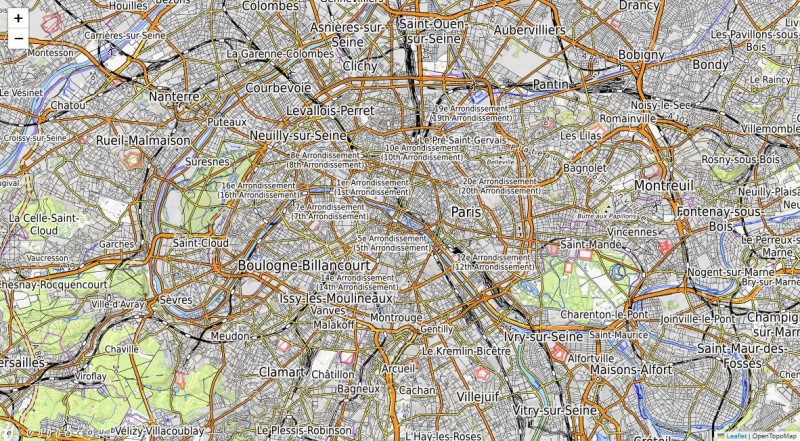
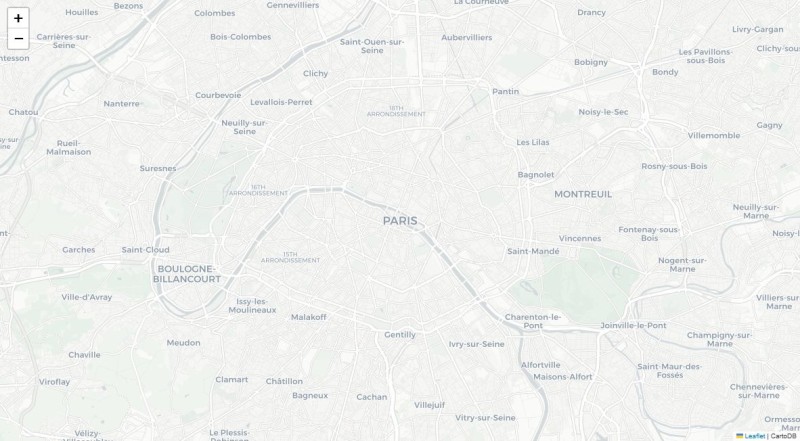
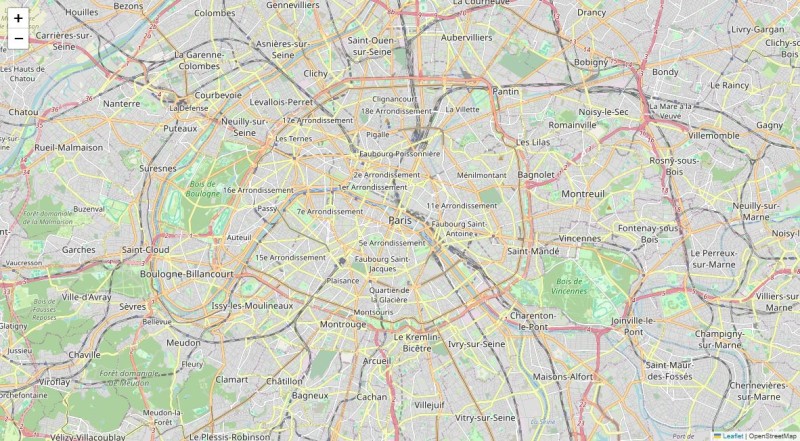
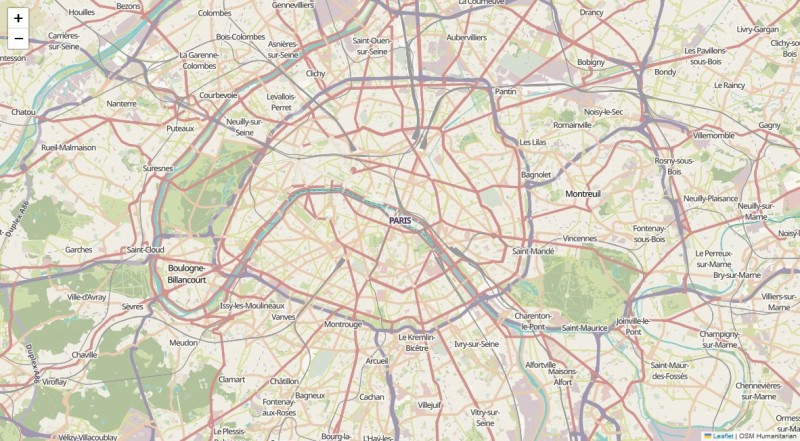
Paris: A 2026 Urban Navigator's Map to the Evolving City of Lights
Strategic Insights
- Post-Olympic Infrastructure: Leverage improved public transport and green spaces.
- Digital Nomad Hub: Increased co-working spaces and high-speed connectivity cater to remote workers.
- Sustainable Living Focus: Expect more car-free zones and extensive cycling networks.
- Cultural Innovation: Emerging art districts in the north-east offer avant-garde experiences.
- Gastronomic Renaissance: Beyond Michelin, explore vibrant neo-bistro scenes in the 10th and 11th arr.
Local Landmarks
- Eiffel Tower: Iconic marvel, now with enhanced public access and green surroundings.
- Louvre Museum: Timeless art treasury, featuring new digital interpretation guides.
- Notre Dame Cathedral: Anticipate continued restoration with new visitor perspectives on its rebirth.
- Sacré-Cœur Basilica: Panoramic city views from Montmartre, a vibrant artistic quarter.
- Musée d'Orsay: Housed in a former railway station, a stunning collection of Impressionist masterpieces.
Urban Protocol
- Language Nuance: While English is spoken, a few French phrases enhance interactions.
- Public Transport Mastery: The Métro is efficient; consider a Navigo Découverte pass for longer stays.
- Dining Etiquette: Wait to be seated, and expect a more leisurely pace for meals.
- Pickpocket Awareness: Especially in crowded tourist areas, maintain vigilance.
- Carbon Footprint: Embrace walking and cycling; Paris prioritizes eco-friendly transit.
DEMOGRAPHIC MOMENTUM (K-SCALE)
URBAN VIBE CHECK
BEYOND THE BROCHURES: PARIS
Paris: The Post-Olympic Metamorphosis of a Global Icon
As we navigate the urban landscape of 2026, Paris stands as a testament to resilience, innovation, and enduring charm. The ripple effects of the 2024 Olympic Games have not just faded; they have reshaped the city’s infrastructure, its public consciousness, and its demographic contours. This isn’t merely the Paris of history books, but a forward-facing metropolis grappling with, and gracefully adapting to, the demands of the 21st century.
Demographic Dynamics: A Melting Pot in Motion
The demography of Paris proper (intra-muros) remains a fascinating study. While the city’s core population has stabilized around 2.1-2.2 million over the past decade, 2026 sees continued diversification. Immigration, both intra-European and from North Africa and sub-Saharan Africa, enriches the cultural tapestry, particularly in the northern and eastern arrondissements. The city’s age profile shows a continued influx of young professionals and students, drawn by economic opportunities and world-class educational institutions, counterbalancing a trend of families moving to the wider Île-de-France region for larger living spaces. This creates a vibrant, youthful energy, driving innovation in tech and culture, but also puts pressure on affordable housing. Expect a subtly more diverse linguistic soundscape, with English, Arabic, and various African languages becoming more prevalent in daily interactions alongside French, particularly in commercial and public transport hubs. The socio-economic stratification remains visible, with the affluent western arrondissements contrasting with the more diverse and rapidly gentrifying eastern and northern areas, a dynamic that fuels both cultural vibrancy and urban challenges.
Economic Currents: Innovation, Luxury, and Green Growth
Paris in 2026 continues its reign as a global economic powerhouse, albeit with an amplified focus on specific sectors. Luxury goods, haute couture, and tourism remain foundational, demonstrating remarkable resilience and continued growth. However, the city is aggressively diversifying. The tech ecosystem, particularly in AI, fintech, and biotech, has seen significant investment and expansion, largely fueled by government initiatives and the ‘French Tech’ movement. La Défense remains a major financial district, but innovative startups are increasingly populating co-working spaces across the city. The green economy is another burgeoning sector; Paris is committed to becoming a carbon-neutral city, driving investment in sustainable urban planning, renewable energy research, and eco-friendly transport solutions. This economic transformation means new job opportunities, but also requires a highly skilled workforce, leading to an interesting blend of traditional Parisian crafts and cutting-edge digital industries.
Urban Fabric & Infrastructure: The Olympic Legacy and Beyond
The most visible shifts in Paris’s urban fabric are undoubtedly linked to the legacy of the 2024 Olympics. Public transportation has seen significant upgrades, particularly with extensions to the Grand Paris Express network, though some projects are still ongoing. This means improved connectivity not just within the city, but with the wider metropolitan area, easing congestion and facilitating commutes. Green spaces have been prioritized, with new parks, tree-lined avenues, and ‘urban forests’ sprouting across various districts, enhancing air quality and livability. Car-free zones have expanded, particularly around historical landmarks and along the Seine, promoting pedestrian culture and cycling. The city’s cycling infrastructure is now among the best in Europe, making Vélib’ (the public bike-sharing system) and personal e-bikes indispensable for local navigation. Expect fewer cars, quieter streets in central areas, and a palpable shift towards a more pedestrian- and cyclist-friendly urban environment. The Seine itself has been further cleaned, with plans for public swimming gaining traction, embodying a new relationship between Parisians and their iconic river.
Cultural Panorama: From Heritage to Hyper-Modernity
Culturally, Paris in 2026 remains peerless. The classic institutions – the Louvre, Musée d’Orsay, Centre Pompidou – continue to draw millions, integrating digital experiences and interactive exhibits to engage new generations. Notre Dame Cathedral, though still undergoing restoration, has become a symbol of rebirth, with temporary viewing platforms and curated exhibitions offering unique perspectives on its ongoing recovery. Beyond these grand institutions, an effervescent contemporary art scene thrives, particularly in areas like Belleville and Pantin, where former industrial spaces have been repurposed into galleries, studios, and performance venues. Music venues, from historic opera houses to intimate jazz clubs in Saint-Germain-des-Prés and electronic music scenes in the Bastille area, cater to every taste. The culinary landscape is undergoing its own revolution: while Michelin-starred establishments remain pinnacles of fine dining, the rise of ‘neo-bistrots’ and ethically sourced, locally focused eateries is significant, reflecting a broader trend towards sustainability and accessible gourmet experiences. Food markets, like Marché des Enfants Rouges, offer not just produce but a global culinary tour.
Social & Political Climate: Navigating the Future
Politically, Paris functions within the broader French context, but its municipal leadership has consistently pushed for progressive urban policies focused on climate action, social inclusion, and citizen participation. This has led to innovative housing policies, increased public services, and efforts to bridge socio-economic divides. Socially, the city grapples with ongoing debates around identity, secularism, and globalization. Public discourse is vibrant and often passionate, reflecting the diverse perspectives of its inhabitants. While strikes and protests are an inherent part of French democratic expression, Paris in 2026 generally maintains its reputation as a safe and welcoming global city, provided visitors exercise standard urban awareness. The focus on community building, local initiatives, and accessible cultural programs underscores a drive to create a more cohesive and equitable urban experience for all its residents and visitors. This multifaceted approach ensures Paris remains not just a beautiful facade, but a living, breathing city constantly evolving to meet the future.