Port Moresby Maps & Guides
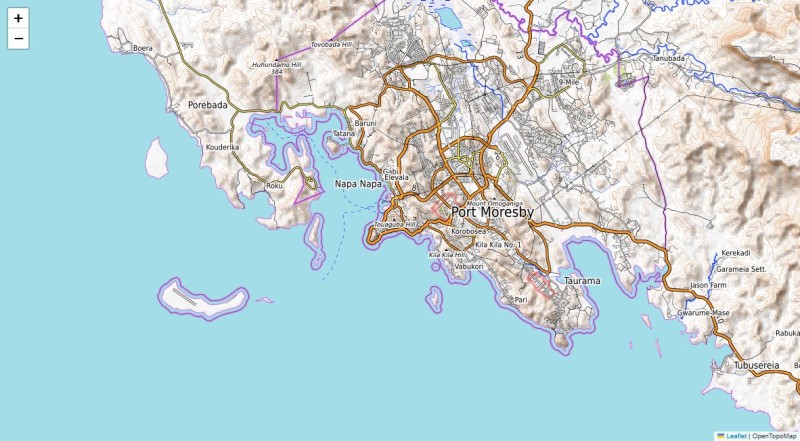
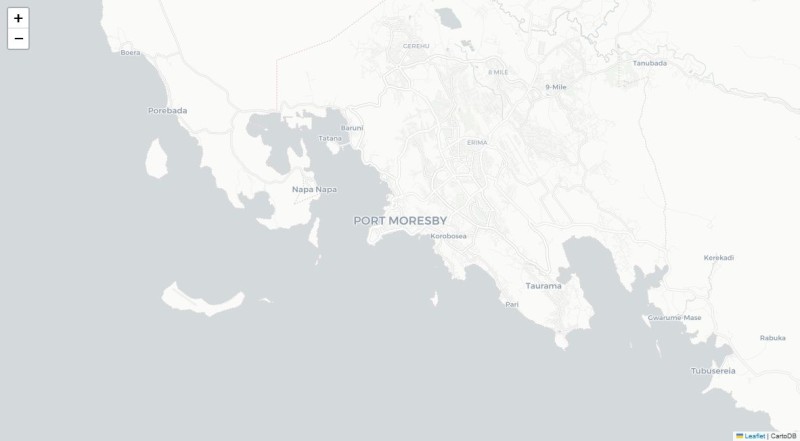
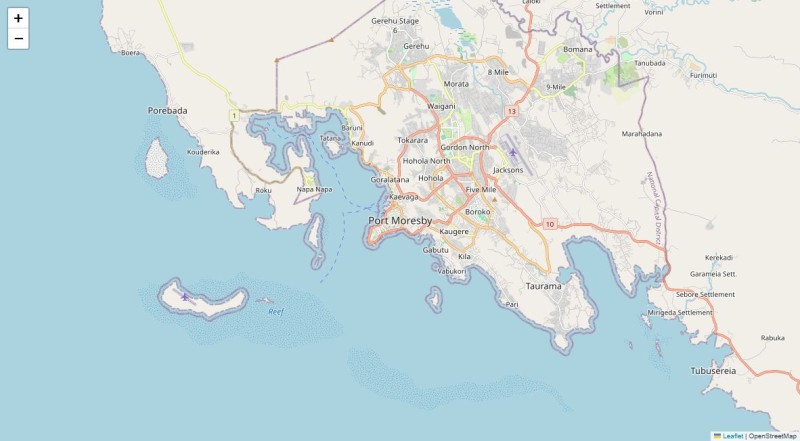
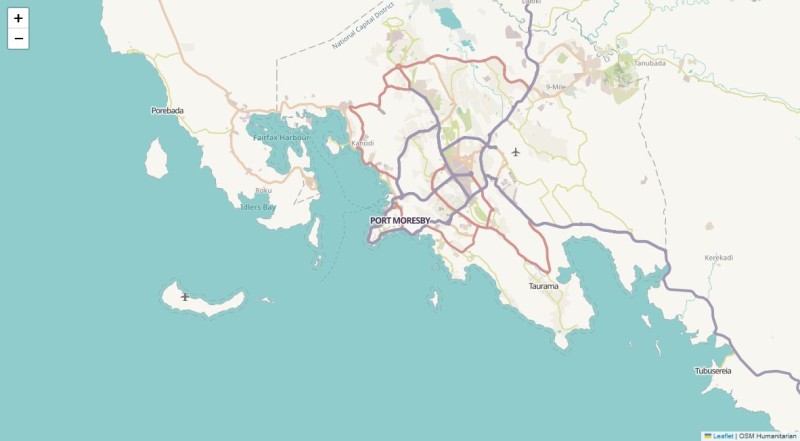
Port Moresby Unpacked: A 2026 Urban Navigator's Maps to the Pacific Frontier
Strategic Insights
- Gateway to the resource-rich Highlands, driving significant economic activity.
- Hub for regional trade and logistics within the Pacific Islands.
- Ongoing infrastructure development projects, including port and road upgrades.
- Focus on diversifying beyond extractive industries, with emerging service sectors.
- Key diplomatic and administrative center for Papua New Guinea.
Local Landmarks
- National Parliament House: Striking architecture blending traditional and modern.
- National Museum and Art Gallery: Repository of PNG's vast cultural heritage.
- Bomana War Cemetery: Solemn tribute to WWII fallen soldiers.
- Ela Beach: Popular urban waterfront with markets and recreational areas.
- Adventure Park PNG: Family-friendly park with wildlife and cultural displays.
Urban Protocol
- Public transport is limited; reliance on taxis or private car hire is common. Always use reputable services.
- Dress conservatively, especially in formal settings or when visiting cultural sites.
- Awareness of surroundings is crucial; avoid walking alone at night in unlit areas.
- Bargaining is common in markets; always maintain respect and a friendly demeanor.
- Photography of people requires permission; always ask first.
DEMOGRAPHIC MOMENTUM (K-SCALE)
URBAN VIBE CHECK
BEYOND THE BROCHURES: PORT MORESBY
The Demographic Momentum: A City on the Rise
Port Moresby’s population trajectory continues its steep upward curve into 2026. Fuelled by rural-to-urban migration and a high birth rate, the greater metropolitan area is now estimated to comfortably exceed 530,000 residents, a significant leap from just a decade prior. This rapid demographic expansion places immense pressure on existing infrastructure and services but also injects a potent youthful energy into the city’s social and economic fabric. The population is remarkably diverse, reflecting PNG’s mosaic of over 850 distinct languages and ethnic groups. This creates a vibrant cultural melting pot, though it also contributes to the complex social dynamics of an urban environment where traditional tribal affiliations often intersect with modern civic structures. Understanding these underlying demographic forces is key to grasping the city’s evolving character, from its housing challenges to the burgeoning informal economy that absorbs a significant portion of its expanding workforce. The sheer diversity is both Port Moresby’s greatest asset and its most persistent challenge, requiring innovative urban planning solutions that respect cultural nuances while striving for inclusive growth.
Economic Engines and Emerging Sectors
Papua New Guinea’s economy, and by extension Port Moresby’s, remains heavily reliant on its vast natural resources, particularly liquefied natural gas (LNG), oil, gold, and copper. In 2026, the city functions as the administrative and logistical nerve center for these industries, with major corporations maintaining their headquarters and operational bases here. However, there’s a concerted effort to diversify. The services sector, including finance, telecommunications, and a nascent tourism industry, is showing promising signs of growth. Port Moresby is witnessing a modest construction boom, driven by government infrastructure projects and private sector investment in commercial and residential properties. The increasing connectivity of fiber optic cables and digital services is slowly transforming the urban landscape, fostering small business growth and improving access to information. While the formal economy is expanding, a large informal sector, comprising street vendors, small-scale entrepreneurs, and market traders, plays a critical role in providing livelihoods for a significant portion of the population and injecting vibrancy into daily life. This dual economic structure is a defining characteristic of Port Moresby, requiring careful policy navigation to integrate and support both facets.
Infrastructure & Connectivity: Paving the Way Forward
Port Moresby’s infrastructure development is a tale of ambitious progress interspersed with persistent challenges. The city’s main arterial roads have seen significant upgrades in recent years, easing some of the notorious traffic congestion. The Jacksons International Airport (POM) continues to serve as the primary gateway, with ongoing modernization projects aimed at increasing capacity and efficiency. Port Moresby’s port facilities are crucial for international trade, and investments are being made to streamline cargo handling and logistics. However, access to reliable utilities, particularly electricity and clean water, remains an intermittent issue for some communities, especially in rapidly expanding informal settlements. Public transport networks are rudimentary, often relying on privately operated ‘PMVs’ (Public Motor Vehicles), which, while colorful and ubiquitous, can be unpredictable. The government’s focus on digital infrastructure, especially 5G rollout in urban centers, promises to enhance connectivity and unlock new opportunities for businesses and residents alike. While challenges persist, the commitment to improving foundational infrastructure is evident, slowly transforming the city’s operational capabilities.
Cultural Canvas: Traditions in Transition
Port Moresby is a city where ancient Melanesian customs collide and intertwine with modern global influences. The National Museum and Art Gallery stands as a testament to PNG’s rich and diverse cultural heritage, housing artifacts from all corners of the nation. Festivals and cultural events, such as the Hiri Moale Festival, celebrate local traditions, offering a fascinating glimpse into the historical trade routes and customs of the Motuan people, the indigenous inhabitants of the Port Moresby area. Yet, the rapid influx of people from different linguistic and tribal backgrounds creates a dynamic and sometimes challenging cultural landscape. English and Tok Pisin serve as the primary lingua franca, bridging the vast linguistic divide. While traditional village life is still visible on the city’s fringes, urban living is fostering a new, distinctly ‘Port Moresby’ identity—one that is resilient, adaptable, and a unique blend of its diverse inhabitants. Engaging with local cultural norms and showing respect for traditional practices is paramount for any visitor seeking a deeper understanding of the city’s soul.
Social Dynamics and Safety Considerations
As with many rapidly developing cities in the global South, Port Moresby faces significant social challenges. High unemployment rates, especially among the youth, and vast disparities in wealth contribute to social tensions. The perception and reality of crime, particularly property crime and opportunistic street crime, remain a significant concern for residents and visitors alike. However, it is crucial to approach this issue with nuance. Most criminal activity is localized to specific areas, and the city center, business districts, and major hotel zones typically have enhanced security measures. A heightened sense of situational awareness, avoiding walking alone at night, and utilizing secure transport are standard protocols. Community-led initiatives and increased policing efforts are continually working to improve urban safety. The social fabric is complex, marked by both strong community bonds and the pressures of urbanization. Understanding these dynamics is essential for a balanced perspective, recognizing that while challenges exist, the vast majority of interactions are peaceful and welcoming.
The Future Outlook: Navigating Growth and Opportunity
Looking ahead to 2026 and beyond, Port Moresby is poised for continued transformation. The city’s strategic importance as a regional hub in the Pacific, coupled with its natural resource wealth, ensures ongoing investment and development. The challenges of managing rapid urbanization, providing adequate housing, ensuring equitable access to services, and enhancing public safety will remain at the forefront for city planners and policymakers. Efforts to improve governance, reduce corruption, and empower local communities are critical for sustainable growth. Port Moresby represents an intriguing case study of a developing city grappling with the complexities of modernization while striving to preserve its unique cultural identity. For the urban analyst, it offers a rich tapestry of data and trends; for the adventurous traveler, an authentic, unfiltered experience of a city finding its stride on the global stage. Its future is not without hurdles, but the resilience and spirit of its people suggest a trajectory towards an increasingly connected, dynamic, and vital urban center in the Indo-Pacific.