London Maps & Guides
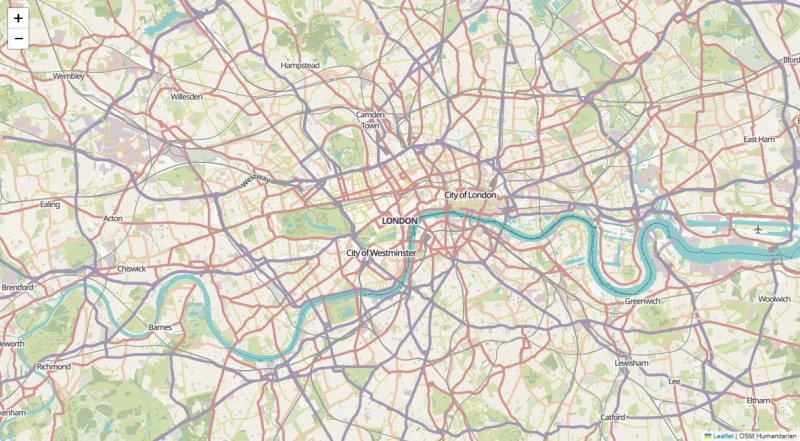
London's 2026 Urban Compass: Demographics, Dynamics, and Destination Maps for the Discerning Traveler
Strategic Insights
- Financial Hub Innovation: London remains a global leader in Fintech and green finance.
- Cultural Tech Integration: Museums and galleries increasingly use AR/VR for immersive experiences.
- Sustainable Urban Planning: Continued investment in green spaces and public transport decarbonization.
- Post-Brexit Adaptations: Evolving trade relationships impact diverse sectors, from retail to tech.
- Talent Magnetism: The city's universities and job market attract top global talent, boosting innovation.
Local Landmarks
- The Tower of London: A historic castle and infamous prison, housing the Crown Jewels.
- Buckingham Palace: The official residence of the monarch, famed for the Changing of the Guard.
- The British Museum: Home to a vast collection of world art and artifacts, including the Rosetta Stone.
- The Houses of Parliament & Big Ben: Iconic symbols of British democracy and architecture.
- Tate Modern: A leading modern and contemporary art gallery housed in a former power station.
Urban Protocol
- Oyster Card/Contactless Payment: Essential for navigating London's extensive public transport network.
- Queue Etiquette: Respect queues, they are a fundamental part of British social order.
- Mind the Gap: A classic warning on the Tube; always be aware of the space between the train and platform.
- Tipping Standards: Generally 10-15% in restaurants, less common for taxis or pubs.
- Weather Preparedness: Always carry an umbrella; London's weather can be notoriously unpredictable.
DEMOGRAPHIC MOMENTUM (K-SCALE)
URBAN VIBE CHECK
BEYOND THE BROCHURES: LONDON
London’s Unyielding Gravitas: A Demographic Deep Dive
As we project into 2026, London continues its trajectory as one of the world’s most dynamic megacities. Its demographic profile is a complex mosaic, reflecting centuries of immigration, global trade, and cultural exchange. The Greater London Authority estimates the city’s population to hover around 9.2-9.3 million, a slight but steady increase from previous years, driven by a combination of natural growth and net international migration. This growth isn’t uniform; it’s concentrated in key development corridors and urban regeneration zones, particularly across East London and parts of the Outer Boroughs where new housing and infrastructure projects are attracting younger families and professionals. The urban core, while retaining its business and cultural significance, sees a more transient population, with a high influx of students and short-term workers.
Ethnically, London remains a global village. Over 300 languages are spoken, and no single ethnic group forms a majority, making it one of the most diverse cities on Earth. This diversity is not merely statistical; it’s the very fabric of London’s identity, influencing everything from its culinary scene to its artistic expressions and entrepreneurial spirit. The average age of Londoners is remarkably young for a major European capital, a testament to its appeal for education and career opportunities. This youthful demographic contributes significantly to the city’s ceaseless energy, driving trends in technology adoption, entertainment, and social activism. Understanding these demographic nuances is crucial for any elite traveler, offering a lens through which to appreciate the city’s multifaceted character beyond the typical tourist narratives.
Economic Engine: Innovation, Resilience, and Post-Brexit Realities
In 2026, London’s economy remains a titan, demonstrating remarkable resilience amidst evolving global economic landscapes and the ongoing adjustments post-Brexit. The financial services sector, particularly Fintech and Green Finance, continues to be a cornerstone, attracting significant foreign direct investment and fostering a highly competitive innovation ecosystem. The City of London and Canary Wharf are still global powerhouses, but increasingly, tech hubs like Old Street’s ‘Silicon Roundabout’ and the burgeoning life sciences cluster in King’s Cross are diversifying London’s economic portfolio. These sectors are driving job creation and attracting a highly skilled international workforce, ensuring London maintains its edge in the global knowledge economy.
The creative industries – encompassing fashion, advertising, media, and the arts – also represent a substantial economic pillar, with London’s theatre district, art galleries, and music venues drawing millions annually and contributing billions to the local economy. Challenges persist, notably in managing the cost of living and housing affordability, which can impact talent retention. However, strategic initiatives by the Mayor’s office and private developers are attempting to address these issues, through mixed-use developments and affordable housing schemes. The post-Brexit trade agreements continue to shape London’s international trade relations, with businesses adapting to new regulatory frameworks and seeking opportunities in emerging markets while maintaining strong ties with traditional partners. London’s economic future is one of calculated adaptation, leveraging its inherent strengths in human capital and global connectivity.
Cultural Kaleidoscope: Beyond the Brochures
London’s cultural landscape in 2026 is an exhilarating blend of the ancient and the avant-garde. Its unparalleled array of museums – from the venerable British Museum and National Gallery to the contemporary Tate Modern and Victoria and Albert Museum – remain free to enter, a public good that underscores the city’s commitment to accessibility and education. The West End theatre district is a world leader, offering an astonishing diversity of productions, from long-running musicals to experimental plays. Beyond these celebrated institutions, London’s true cultural vibrancy lies in its myriad neighborhoods.
Shoreditch and Hackney continue to be epicenters of street art, independent galleries, and pop-up events, reflecting the city’s youthful, edgy side. Brixton pulsates with Afro-Caribbean rhythms, markets, and a lively music scene, while Notting Hill retains its bohemian charm with its famous carnival and antique markets. Food culture has exploded, moving far beyond traditional British fare to embrace every conceivable global cuisine, with Michelin-starred establishments coexisting alongside vibrant street food markets like Borough Market and Maltby Street Market. Cultural festivals celebrating everything from film and literature to music and heritage occur year-round, ensuring there’s always something new to discover. For the elite traveler, engaging with London’s diverse cultural offerings means venturing beyond the obvious, exploring the local haunts, and embracing the serendipity of discovery in its countless vibrant enclaves.
Urban Infrastructure: Navigating the Megacity of Tomorrow
London’s infrastructure is a marvel of both historical planning and futuristic ambition. The Transport for London (TfL) network, encompassing the iconic Tube, DLR, Overground, buses, and river services, is one of the most comprehensive and efficient in the world, facilitating seamless movement across the sprawling metropolis. Contactless payment is ubiquitous, making travel incredibly convenient. By 2026, further enhancements to Crossrail (Elizabeth Line) connectivity and frequency are anticipated, significantly reducing journey times across the city and linking Heathrow directly to the East End.
Beyond transport, London is investing heavily in green infrastructure. New parks, urban farms, and ‘pocket parks’ are being integrated into dense urban areas, improving air quality and providing vital recreational spaces. The Thames, once primarily an industrial artery, is increasingly seen as a recreational and ecological corridor, with improved public access along its banks and renewed efforts to boost biodiversity. Digital infrastructure is robust, with widespread 5G coverage and numerous public Wi-Fi hotspots, supporting London’s status as a leading digital hub. Navigating London is an experience in itself, a testament to how an ancient city can successfully integrate modern conveniences while preserving its unique character and heritage. The blend of historical architecture with cutting-edge urban design creates a cityscape that is both functional and endlessly fascinating.