Adana Maps & Guides
Adana: Cilicia's Crossroads – A 2026 Urban Analysis & Strategic Maps
Strategic Insights
- Cilicia's Agricultural Heartland: Prime for Agro-Tech Investment
- Logistical Nexus: Eastern Mediterranean's Gateway to Anatolia
- Energy Infrastructure Hub: Refinery and Distribution Capabilities
- Historical Depth: Layers of Roman, Byzantine, and Ottoman Heritage
- Emerging Industrial Base: Textile, Automotive, and Food Processing Expansion
Local Landmarks
- Stone Bridge (Taşköprü): Ancient Roman Engineering Marvel
- Sabancı Central Mosque: One of Turkey's Largest Religious Structures
- Adana Archaeology Museum: Chronicles Cilicia's Millennia of History
- Great Clock Tower (Büyük Saat): Historic Symbol of the City Center
- Ramadanoglu Mansion: Exquisite Ottoman-Era Architecture
Urban Protocol
- Haggling Etiquette: Expected in Traditional Bazaars, Less in Malls
- Respect for Elders: Deference and Courtesy are Highly Valued
- Modest Attire: Recommended When Visiting Religious Sites
- Kebab Culture Immersion: Essential Dining Experience, Especially Adana Kebab
- Public Transport Efficiency: Dolmuş (Minibus) and Metro are Key for Mobility
DEMOGRAPHIC MOMENTUM (K-SCALE)
URBAN VIBE CHECK
BEYOND THE BROCHURES: ADANA
Adana: The Unfolding Canvas of Cilicia
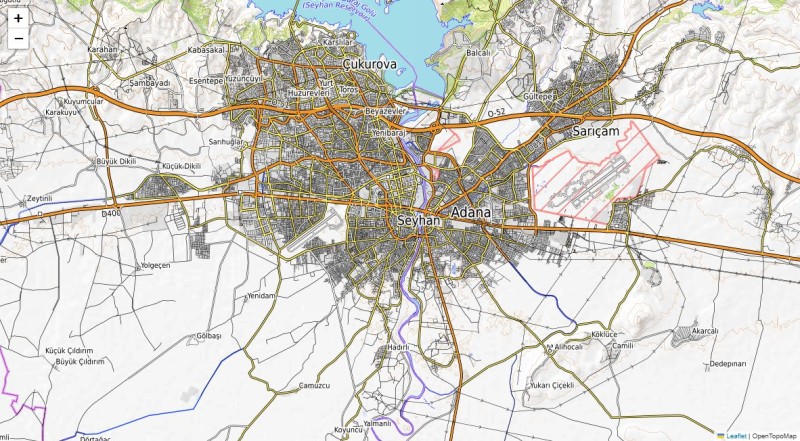
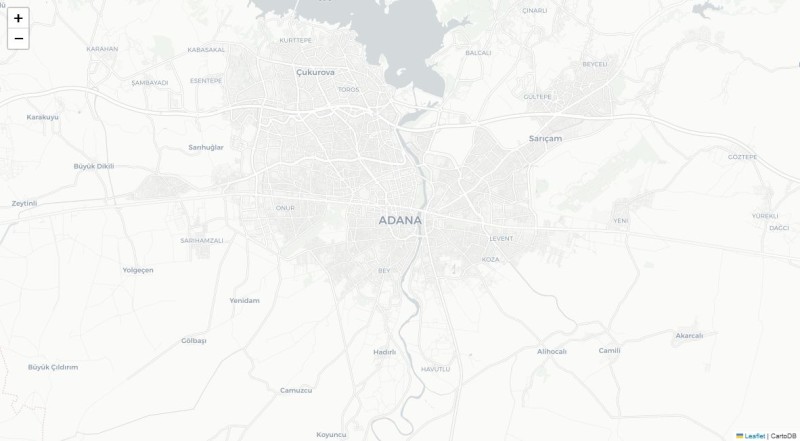
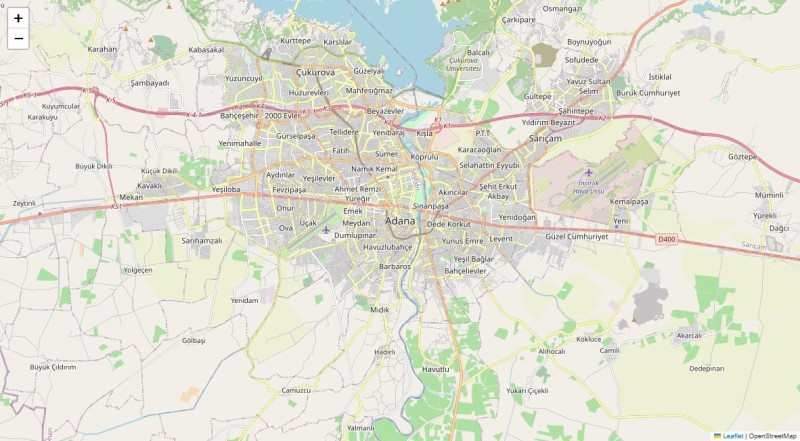
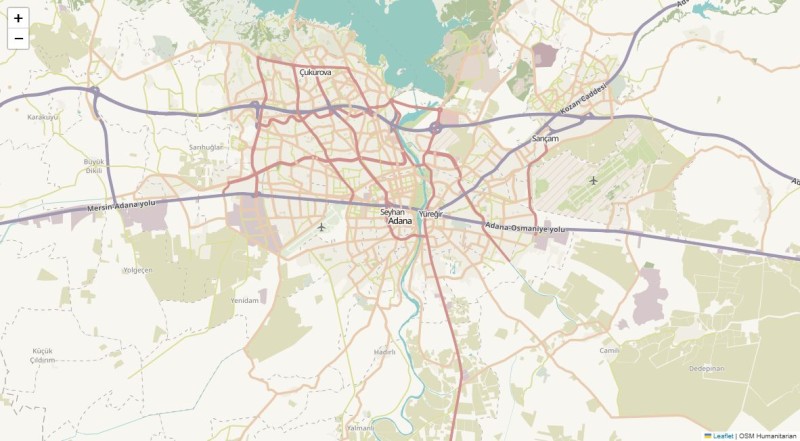
Adana, by 2026, represents more than just a dot on the map; it is a sprawling urban narrative, deeply woven into the fabric of Turkish history and economy. Situated on the Seyhan River, approximately 30 miles inland from the Mediterranean coast, it serves as the administrative capital of the Adana Province and a crucial gateway to southeastern Anatolia and the Middle East. Its strategic geographical position has historically made it a crossroads for civilizations, trade routes, and military campaigns, leaving an indelible mark on its cultural landscape and demographic composition. The city’s resilient spirit is evident in its ability to adapt and thrive, transforming from an ancient Roman outpost to a bustling modern metropolis.
Demographic Tapestry: A Young and Growing Populace
Adana’s demographic profile in 2026 is characterized by a vibrant and predominantly young population, continuing its growth trend from previous years. The metropolitan area is estimated to house over 2.3 million residents, driven by internal migration from rural areas of Anatolia and, to a lesser extent, regional economic opportunities. This youth bulge fuels a dynamic labor force and a burgeoning consumer market. The population is diverse, reflecting centuries of various ethnic and religious groups coexisting, albeit with a dominant Turkish majority. Kurdish and Arab communities also contribute significantly to the city’s cultural mosaic, particularly in certain neighborhoods. Educational attainment is on an upward trajectory, with expanding university infrastructure fostering a growing pool of skilled professionals, critical for future economic diversification. Urban planners are continually challenged to manage the rapid expansion, ensuring adequate housing, public services, and green spaces for its growing citizenry.
Economic Engine: Agriculture, Industry, and Logistics
Economically, Adana remains the heart of the fertile Cilician Plain, often dubbed the ‘breadbasket of Turkey.’ Agriculture, particularly cotton, citrus fruits, and wheat, continues to be a foundational pillar, with increasing investment in modern irrigation techniques and agro-processing industries. However, the city’s economic portfolio has significantly diversified. Textile manufacturing, once its primary industry, has modernized, focusing on higher-value products. The automotive components sector is expanding, leveraging Adana’s logistical advantages. Furthermore, the city is a key node in Turkey’s energy infrastructure, hosting major refineries and distribution networks. Its proximity to the Mediterranean and robust road and rail links position it as a critical logistical hub, facilitating trade between Europe, the Middle East, and Central Asia. The Adana Incirlik Air Base also contributes significantly to the local economy, both directly and indirectly, through its support services and personnel.
Urban Infrastructure: Navigating the Modern Metropolis
Adana’s urban infrastructure in 2026 reflects a blend of historical preservation and modern development. The Seyhan River, bisected by the iconic Stone Bridge, remains central to the city’s identity, with new riverside parks and promenades enhancing its recreational appeal. The Adana Metro continues to serve as a vital artery for public transport, although the city’s sprawling nature often necessitates reliance on an extensive dolmuş (minibus) network and private vehicles. Major arterial roads have seen upgrades to alleviate traffic congestion, a common challenge in rapidly growing cities. Housing developments range from historic Ottoman-era homes to contemporary high-rise apartments, catering to a diverse range of incomes. Access to reliable utilities, including electricity and water, is generally robust, supporting both residential and industrial demands. Digital infrastructure, with increasing fiber optic penetration, ensures Adana remains connected to the global economy.
Cultural Resonance: Flavors, Festivities, and Heritage
Adana’s cultural identity is robust and deeply rooted, making it a captivating destination for those seeking an authentic Turkish experience. The city is world-renowned for its cuisine, particularly the spicy Adana Kebab, which has become a culinary ambassador. The local food scene extends far beyond kebabs, encompassing rich stews, fresh salads, and delectable desserts that reflect the region’s agricultural abundance. Festivals, such as the International Orange Blossom Carnival, draw significant crowds, celebrating the city’s vibrant character and agricultural bounty. Historical sites abound, from the grandeur of the Sabancı Central Mosque to the ancient ruins scattered throughout the province, each telling a story of empires and civilizations past. Traditional markets, like the Great Bazaar, offer a sensory overload of spices, textiles, and local crafts, while modern shopping malls provide contemporary retail experiences. The city’s cultural institutions, including museums and art galleries, are increasingly active, fostering local talent and engaging residents and visitors alike.
The Future Horizon: Adana’s 2026 Trajectory
Looking towards the immediate future, Adana in 2026 is poised for continued growth and strategic relevance. Urban development plans prioritize smart city initiatives, aiming to integrate technology for more efficient public services and improved quality of life. Investment in education and technology hubs is expected to foster innovation and attract further foreign direct investment. While facing challenges such as regional geopolitical dynamics and environmental sustainability concerns, Adana’s strong economic fundamentals, young population, and strategic location provide a solid foundation for resilience. The city is actively promoting itself as a tourism destination, leveraging its historical sites, natural beauty, and unparalleled culinary scene. With ongoing infrastructure improvements and a proactive stance on economic diversification, Adana is cementing its position as a vital, multifaceted urban center in the broader Mediterranean and Middle Eastern landscape, offering both challenges and abundant opportunities for those who understand its unique pulse.