Budapest Maps & Guides
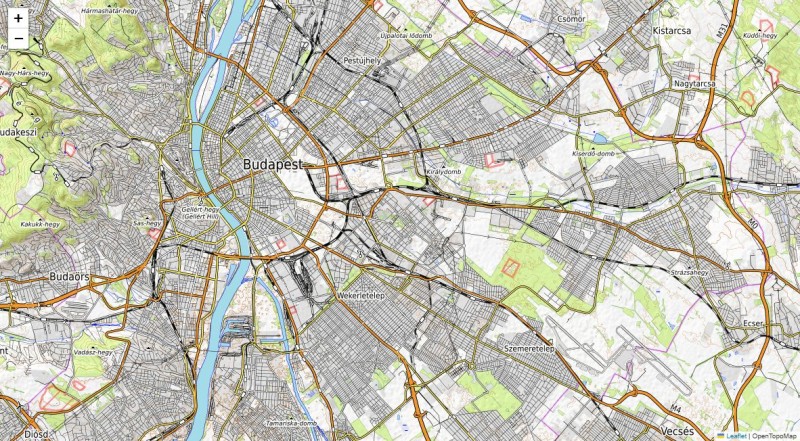
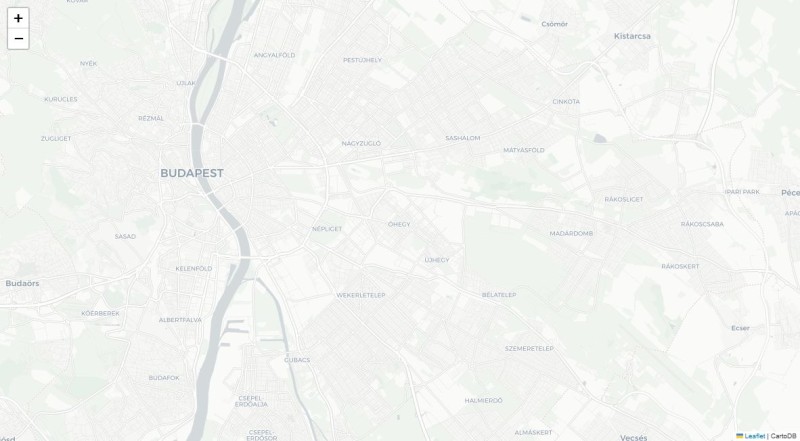
Budapest: The Danube's Dynamic Digital Heartbeat – A 2026 Urban Analysis & Maps
Strategic Insights
- Danube Riverside Regeneration: Key residential & leisure zones emerging.
- Tech & Startup Ecosystem: District XI's expanding innovation clusters.
- Sustainable Transit Hubs: Enhanced tram and metro interconnectivity.
- Cultural Heritage Digitalization: AR/VR integration in museum experiences.
- Smart City Initiatives: Real-time traffic and environmental monitoring.
Local Landmarks
- Vajdahunyad Castle: Historical blend in City Park, often overlooked by tourists.
- Fisherman's Bastion: Best visited at dawn for panoramic, crowd-free views.
- Gellért Hill Cave Church: A unique active church within a natural cave.
- Margaret Island Water Tower: Offers stunning views after a peaceful stroll.
- Central Market Hall (Nagy Vásárcsarnok): A vibrant hub for local gastronomy and crafts.
Urban Protocol
- BudapestGO App: Essential for navigating public transport efficiently.
- Thermal Bath Etiquette: Bring your own towel, flip-flops, and consider a swim cap.
- Cash for Ruin Bars: Many smaller establishments still prefer Hungarian Forint (HUF) cash.
- Greetings: A simple 'Jó napot kívánok' (Good day) goes a long way.
- Tipping: Customary 10-15% in restaurants, often added to the bill as a service charge.
DEMOGRAPHIC MOMENTUM (K-SCALE)
URBAN VIBE CHECK
BEYOND THE BROCHURES: BUDAPEST
The Demographic Canvas: A City in Flux
Budapest’s population in 2026 hovers around 1.76 million within the city limits, with the greater metropolitan area significantly larger. The demographic trends reveal a nuanced picture. While Hungary as a whole faces a declining birth rate, Budapest continues to attract internal migrants from rural areas and a growing international cohort, particularly from neighboring EU countries and the broader EMEA region. This influx is largely driven by burgeoning opportunities in the IT, automotive, and shared services sectors. The city’s age profile skews slightly younger than the national average, thanks to its vibrant university scene and a post-pandemic return of digital nomads and young professionals seeking an affordable yet high-quality European urban experience. Expect a noticeable increase in cultural diversity, particularly in districts like Ferencváros and Józsefváros, as new communities integrate into the city’s fabric. This demographic vitality presents both opportunities for labor force expansion and challenges in housing affordability and infrastructure scalability.
Economic Pulsations & Innovation Hubs
By 2026, Budapest has solidified its position as a key innovation hub in Central Europe. The city’s economic landscape is characterized by a robust presence of multinational corporations, especially in IT, fintech, and pharmaceutical industries, complemented by a thriving startup ecosystem. District XI (Újbuda) and parts of District XIII (Angyalföld) have transformed into dynamic tech parks, attracting significant foreign direct investment and fostering a culture of entrepreneurialism. The government’s continued focus on digital transformation and R&D incentives further bolsters this growth. Beyond tech, the traditional tourism sector remains a cornerstone, adapting to more sustainable and experience-driven models. Creative industries, from film production to design, are also flourishing, leveraging Budapest’s competitive cost of living and rich artistic heritage. This economic diversification creates a resilient urban economy less susceptible to single-sector shocks.
Infrastructure Evolution: Connectivity & Green Transit
Budapest’s infrastructure in 2026 reflects a concerted effort towards smart and sustainable urban development. The public transport network, already comprehensive, has seen further enhancements with expanded tram lines and more integrated metro services, all accessible via the intuitive BudapestGO app. Emphasis is placed on electric buses and expanded cycling infrastructure, aligning with the city’s climate goals. The Danube’s role as a transport corridor is also being revisited, with potential for enhanced river taxi services. Beyond local transit, the city’s connectivity within the region is growing, with upgrades to high-speed rail links connecting Budapest to Vienna, Prague, and other key European capitals. Digital infrastructure is equally robust, with widespread 5G coverage and an increasing number of public Wi-Fi zones, supporting both residents and the transient digital workforce. These developments are critical for maintaining Budapest’s competitive edge as a business and lifestyle destination.
Cultural Currents & Lifestyle Shifts
Budapest’s cultural scene in 2026 is a dynamic tapestry woven from its historical legacy and contemporary influences. The city’s iconic ruin bars continue to evolve, blending their bohemian charm with more sophisticated culinary offerings and curated art events. District VII, the historic Jewish Quarter, remains a focal point for nightlife and cultural exploration, while new cultural initiatives are springing up in previously underserved areas, such as the Józsefváros district’s burgeoning gallery scene. The thermal bath culture, a centuries-old tradition, is experiencing a renaissance, with facilities like Szechenyi and Gellert investing in modern amenities while preserving their historic grandeur. Food culture is equally vibrant, moving beyond traditional Hungarian fare to embrace global influences, with a strong emphasis on farm-to-table dining and artisan producers. Parks and green spaces, like Margaret Island and City Park, are more utilized than ever, serving as vital urban oases for recreation and community gatherings, reflecting a growing local appreciation for wellness and outdoor living.
Challenges on the Horizon
Despite its progress, Budapest faces several challenges by 2026. Housing affordability remains a pressing issue, as rapid urbanization and an influx of foreign investment drive up property prices, making it difficult for local residents, especially young families, to find affordable housing. Environmental concerns, particularly air quality and waste management, require ongoing attention, necessitating further investment in green technologies and public awareness campaigns. The pressure on existing infrastructure, while continually upgraded, is also a concern given the city’s growth. Furthermore, navigating the balance between catering to international tourists and preserving authentic local character is an ongoing tightrope walk. Maintaining a strong, independent voice within broader national political shifts is also a subtle but significant challenge for Budapest’s urban governance.
Budapest’s Trajectory: A 2026 Outlook
Looking ahead, Budapest is poised for continued growth and transformation. Its strategic location, competitive cost of living, and highly skilled workforce make it an attractive destination for businesses and individuals alike. The city’s commitment to sustainability, innovation, and cultural preservation suggests a future where economic prosperity is balanced with quality of life. Expect further integration of smart city technologies, an expansion of its green spaces, and a deepening of its unique blend of East-meets-West charm. For the elite traveler and urban analyst, Budapest in 2026 is not just a destination; it’s a living laboratory of European urban evolution, offering profound insights into the future of metropolitan life.