Eskisehir Maps & Guides
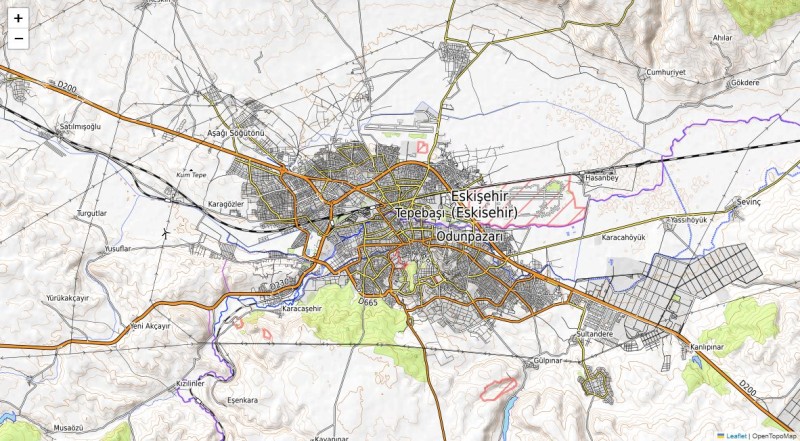
Eskişehir: Anatolia's Urban Oasis & Future Forward Maps
Strategic Insights
- Pioneering Smart City Initiatives
- High-Speed Rail Connectivity Hub
- Major University & R&D Cluster
- Sustainable Urban Green Policies
- Emerging Creative Industries Sector
Local Landmarks
- Odunpazarı Modern Museum (OMM)
- Porsuk River Gondola Tours
- Sazova Park (Science, Art & Culture Park)
- Çağdaş Cam Sanatları Müzesi (Glass Arts Museum)
- Kurşunlu Complex (Mosque & Ethnography Museum)
Urban Protocol
- Efficient Tram & Bus Network
- Turkish Lira (TRY) is official currency
- Basic Turkish Phrases Appreciated
- Excellent Public & Private Healthcare
- Digital Payments Widely Accepted
DEMOGRAPHIC MOMENTUM (K-SCALE)
URBAN VIBE CHECK
BEYOND THE BROCHURES: ESKISEHIR
The Phoenix City: A Modern Renaissance
Eskişehir, meaning ‘Old City’ in Turkish, paradoxically represents one of Turkey’s most forward-thinking urban transformations. Once a modest Anatolian railway town, it has shed its former skin to emerge as a vibrant, youthful metropolis, particularly by 2026. This rebirth is rooted in strategic municipal investments, a strong commitment to education, and a civic pride that has fostered a unique identity distinct from its larger Turkish counterparts. Its extensive urban renewal projects, especially along the Porsuk River, have converted industrial decay into charming promenades, vibrant cultural hubs, and green recreational spaces. This deliberate shaping of its urban fabric has not only enhanced livability but also cultivated a strong sense of community and belonging, attracting both domestic and international residents. The city has become a living laboratory for modern urban planning, experimenting with innovative solutions for public transportation, green infrastructure, and sustainable development. Its success story is a testament to what focused vision and community engagement can achieve, positioning Eskişehir as a model for regional urban development across the wider Middle East and Europe. By leveraging its unique strengths, such as its intellectual capital and strategic geographic location, Eskişehir has skillfully navigated economic shifts, creating new opportunities in technology, arts, and tourism.
Educational Epicenter: The Youthful Pulse
At the core of Eskişehir’s dynamism are its two major universities: Anadolu University and Eskişehir Osmangazi University. These institutions collectively host hundreds of thousands of students, making Eskişehir one of Turkey’s youngest and most intellectual cities. This demographic shapes every aspect of urban life, from its bustling nightlife and diverse culinary scene to its vibrant arts and culture calendar. The presence of such a large student body fosters an environment of innovation, open-mindedness, and continuous cultural exchange. By 2026, the universities are not just educational centers but also significant drivers of research and development, contributing to the city’s burgeoning tech and creative industries. Graduates often find opportunities within Eskişehir’s growing startup ecosystem, further cementing the city’s reputation as a knowledge economy hub. The youthful energy is palpable, influencing fashion, music, and social trends, ensuring Eskişehir remains perpetually fresh and responsive to contemporary global influences. This influx of young talent has also spurred a demand for modern amenities, co-working spaces, and cutting-edge leisure options, transforming the urban landscape to cater to a globalized, digitally-native population. The symbiosis between academia and urban development is a critical element of Eskişehir’s unique appeal and its sustained growth trajectory.
Cultural Canvas: Art, History & Innovation
Eskişehir seamlessly blends its rich Phrygian and Ottoman heritage with a contemporary artistic spirit. The district of Odunpazarı, a UNESCO World Heritage candidate, with its beautifully restored Ottoman-era houses, narrow cobblestone streets, and traditional craft shops, offers a poignant glimpse into the past. Here, history is not merely preserved but reimagined, exemplified by the award-winning Odunpazarı Modern Museum (OMM). This architectural marvel, designed by Kengo Kuma, serves as a beacon for modern art, housing a significant collection and hosting international exhibitions, creating a dialogue between the old and the new. Beyond OMM, the city boasts numerous other museums, including the Glass Arts Museum, Wax Museum, and Aviation Museum, reflecting its diverse cultural interests. Public art installations are common, transforming parks and squares into open-air galleries. By 2026, Eskişehir’s cultural calendar is packed with international film festivals, music concerts, and theatre performances, attracting audiences from across Turkey and beyond. This commitment to cultural enrichment positions Eskişehir not just as a city of students, but as a sophisticated cultural destination, offering immersive experiences that cater to a broad spectrum of artistic tastes and intellectual curiosity. The city’s proactive approach to cultural diplomacy has further enhanced its international profile.
Green Spaces & Urban Flow: Living the Good Life
Eskişehir prides itself on its high quality of life, a reputation significantly bolstered by its expansive green spaces and efficient urban infrastructure. The Porsuk River, once a neglected waterway, now flows through the heart of the city, flanked by meticulously landscaped parks, cafes, and pedestrian bridges. Gondola rides and riverboats offer a unique perspective of the city, earning it the moniker ‘Venice of Anatolia.’ Sazova Park, an enormous complex blending recreational areas with scientific and cultural attractions (including a fairy tale castle, a science museum, and a zoo), serves as a testament to the city’s commitment to family-friendly public spaces. Kent Park, another sprawling urban oasis, features artificial beaches, equestrian facilities, and ample space for relaxation. The city’s public transportation system, anchored by its modern tram network, is exceptionally efficient, clean, and user-friendly, minimizing reliance on private vehicles and contributing to a cleaner urban environment. These initiatives underscore Eskişehir’s dedication to sustainable urban living, prioritizing pedestrian access, cycling infrastructure, and green corridors that enhance residents’ well-being and environmental health. The thoughtful integration of nature into the urban fabric creates a harmonious living experience that many larger cities struggle to achieve, making Eskişehir a truly desirable place to live.
Economic Engines & Future Horizons
Beyond its academic and cultural prowess, Eskişehir is also an important industrial and economic center. It has a long-standing history in railway manufacturing, aviation maintenance, and locomotive production, sectors that continue to evolve with technological advancements. By 2026, the city is strategically diversifying its economy, with a growing emphasis on high-tech industries, software development, and creative digital enterprises, often fueled by its university graduates. The development of organized industrial zones and technology parks has attracted both domestic and foreign investment, fostering a dynamic business environment. Its central location, coupled with a well-developed infrastructure including high-speed rail connections to Ankara and Istanbul, positions Eskişehir as a crucial logistics and transportation hub in Anatolia. The local government’s proactive stance on urban development, coupled with its focus on sustainability and innovation, makes Eskişehir an attractive prospect for future investments. The city’s relatively lower cost of living compared to Istanbul or Ankara, combined with its high quality of urban services, makes it an appealing choice for businesses seeking skilled labor and a supportive ecosystem for growth. Its future outlook is bright, poised to become an even more significant regional player.
Navigating Eskişehir: Practicalities & Pleasures
Visitors to Eskişehir will find a city that is both welcoming and easy to navigate. The primary language is Turkish, though English is commonly understood in tourist areas, hotels, and among the younger population. The local currency is the Turkish Lira (TRY), and credit/debit cards are widely accepted. Transportation within the city is dominated by the efficient tram system and an extensive bus network, offering convenient access to all major attractions. For those seeking culinary delights, Eskişehir offers a gastronomic journey from traditional Turkish cuisine (don’t miss çiğ börek, a local specialty) to modern cafes and international restaurants, catering to every palate and budget. The city’s vibrant café culture, particularly along the Porsuk River, is a highlight. Safety is generally high, reflecting the city’s orderly and community-focused atmosphere. For health and wellness, Eskişehir boasts modern hospitals and clinics, providing quality care. The city’s mild climate during spring and autumn makes these seasons ideal for exploration, though its continental climate means hot summers and cold, snowy winters, each offering a distinct charm. Eskişehir truly exemplifies modern Turkish urbanism, offering a sophisticated yet accessible experience for all its inhabitants and guests.