Brussels Maps & Guides
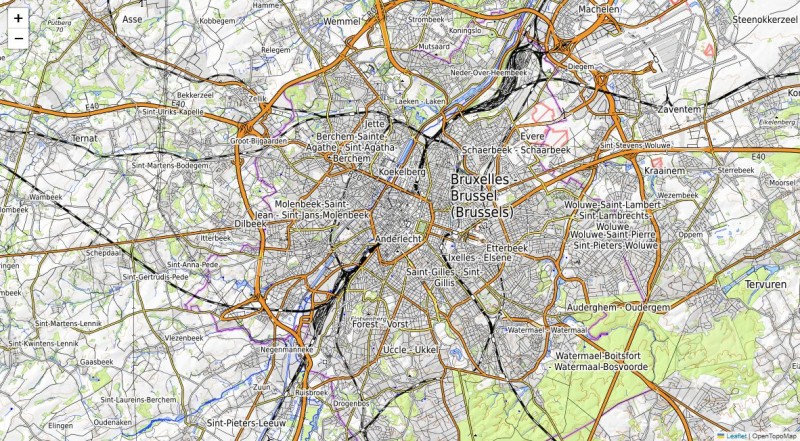
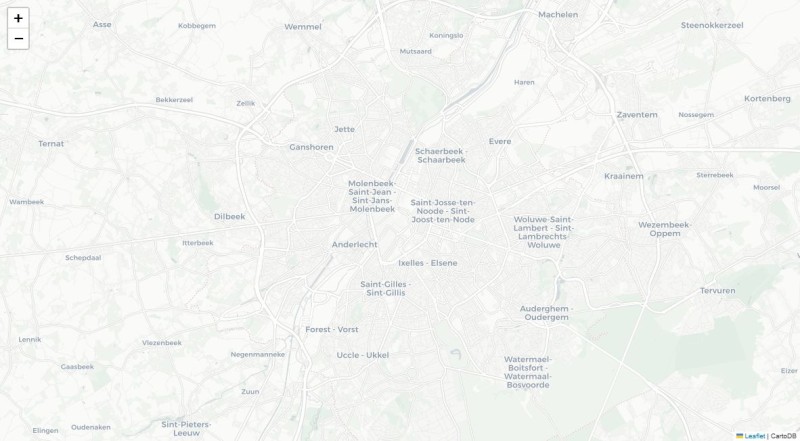
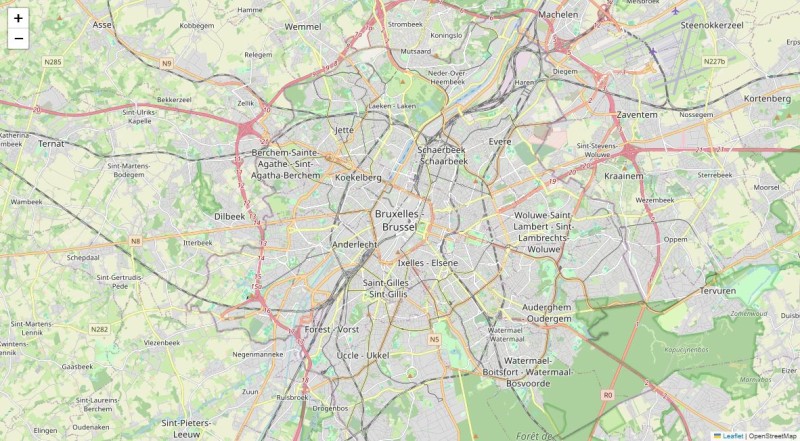
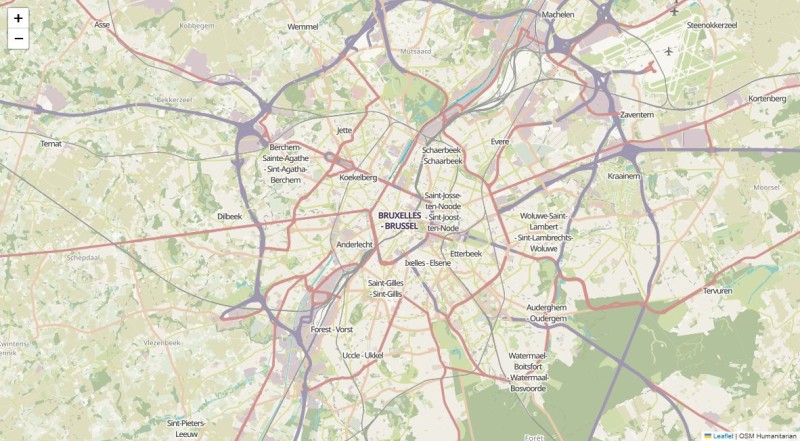
Brussels 2026: Navigating the Heart of Europe – A Definitive Urban Analysis and Maps
Strategic Insights
- Geopolitical Core: EU and NATO headquarters drive a unique international demographic.
- Multilingual Hub: French, Dutch, and English coexist, facilitating global commerce.
- Innovation Ecosystem: Strong focus on R&D, tech, and sustainable urban development.
- Connectivity Nexus: High-speed rail and air links across Europe and beyond.
- Cultural Diplomacy: A city where policy and art intersect daily.
Local Landmarks
- Grand Place: UNESCO World Heritage site, architectural marvel.
- Atomium: Iconic symbol of the 1958 World's Fair, futuristic design.
- Manneken Pis: Beloved, albeit small, bronze statue embodying Brussels' irreverence.
- Royal Palace of Brussels: Official palace of the King and Queen of the Belgians.
- Parc du Cinquantenaire: Grand park housing museums and a triumphal arch.
Urban Protocol
- Public Transport: Extensive network of trams, metros, and buses; Mobib card essential.
- Dining Etiquette: Tipping is appreciated but not mandatory (service often included).
- Language Nuances: Learning basic French or Dutch phrases is a sign of respect.
- Shopping Hours: Most stores close by 6-7 PM, with Sunday closures common outside tourist zones.
- Diplomatic Decorum: Be mindful of security protocols around international institutions.
DEMOGRAPHIC MOMENTUM (K-SCALE)
URBAN VIBE CHECK
BEYOND THE BROCHURES: BRUSSELS
The Geopolitical Nexus: Beyond the Brochures
Brussels’ identity in 2026 is inextricably linked to its role as the de facto capital of the European Union and the headquarters of NATO. This unique position has sculpted its urban fabric, creating a city unlike any other. The ‘European Quarter’ around Schuman and Place Luxembourg isn’t just a collection of sterile office buildings; it’s a living ecosystem of diplomats, lobbyists, journalists, and international civil servants. This concentration of global minds fosters an environment of constant dialogue, innovation, and, at times, discreet power plays. For the astute observer, navigating Brussels means understanding these underlying currents. Security is naturally heightened around these zones, but the international presence also means an extraordinary level of multiculturalism. Cafes buzz with conversations in a dozen languages, and cultural events reflect a global palate. This diplomatic core, while sometimes perceived as aloof, is the engine that drives much of Brussels’ economy and cultural dynamism, ensuring a continuous influx of diverse talent and perspectives.
Demographic Tapestry: A Global Microcosm
Brussels’ demographic profile in 2026 is a fascinating study in diversity and growth. With a population steadily climbing past 1.25 million, the city boasts one of the highest proportions of foreign-born residents globally, exceeding 60% in certain communes. This isn’t merely immigration; it’s a deliberate aggregation of international professionals, researchers, and artists drawn by the city’s unique opportunities. The expatriate community is exceptionally well-integrated, yet distinct, creating a layered social structure. French and Dutch remain the official languages, but English acts as an undeniable lingua franca, particularly within the diplomatic and business circles. Demographic momentum is driven by sustained net migration and a relatively young international workforce. This influx of diverse cultures enriches the city’s culinary scene, arts, and educational institutions, creating a truly global microcosm. Understanding these demographic nuances is key to appreciating Brussels’ vibrant, multifaceted character and its evolving urban identity.
Economic Engine: Innovation & Integration
Brussels’ economy in 2026 is robust, diversified, and highly resilient, powered primarily by its role as an administrative and service hub. Beyond the public sector and international organizations, the city is a significant player in finance, research and development, and advanced manufacturing. The presence of major corporations, European trade associations, and a burgeoning start-up scene fosters an environment of innovation, particularly in green technologies, digital services, and biotechnology. Connectivity is paramount, with Brussels National Airport and major railway hubs linking the city to the rest of Europe and the world, facilitating trade and tourism. Unemployment rates remain competitive, reflecting a healthy job market for skilled professionals. This economic dynamism, combined with a strong focus on sustainability initiatives and smart city development, positions Brussels not just as a stable capital, but as a forward-thinking urban laboratory. Investment opportunities abound, particularly in real estate, logistics, and specialized service sectors catering to the international community.
Cultural Rhythms: From Grandeur to Avant-Garde
Brussels’ cultural landscape is far richer and more varied than its often-stereotyped image suggests. While the Grand Place and its surrounding historical architecture are undeniable highlights, the city offers a vibrant contemporary arts scene, world-class museums, and a deeply ingrained appreciation for comics (Bandes Dessinées). In 2026, the city continues to host a packed calendar of festivals, from music and film to gastronomy and performance art. The Royal Museums of Fine Arts, BOZAR, and various independent galleries showcase everything from Old Masters to cutting-edge contemporary works. Food culture is a religion here, ranging from Michelin-starred establishments to beloved frites stands and traditional brasseries offering hearty Belgian fare and an unparalleled selection of beers. Neighbourhoods like Saint-Gilles and Ixelles burst with independent boutiques, art spaces, and eclectic eateries, offering a glimpse into the city’s bohemian pulse. This blend of historic grandeur and modern dynamism ensures that Brussels’ cultural rhythms appeal to a wide spectrum of tastes, consistently surprising those who venture beyond the typical tourist trails.
Urban Planning & Sustainability: The Green Horizon
In 2026, Brussels is aggressively pursuing a sustainable urban agenda, aiming to enhance livability and ecological resilience. The city has made significant strides in expanding green spaces, developing comprehensive cycling infrastructure, and promoting public transport over private vehicle use. Projects like the redevelopment of the Canal Zone are transforming industrial areas into mixed-use, pedestrian-friendly neighborhoods with a strong emphasis on eco-conscious design. Smart city initiatives are leveraging technology to improve energy efficiency, waste management, and traffic flow. The regional government is committed to ambitious climate targets, driving investment in renewable energy and green building practices. While challenges remain, particularly concerning air quality in denser areas and the integration of diverse communities, Brussels’ commitment to a ‘green horizon’ is evident. This focus on sustainability not only improves the quality of life for its residents but also presents opportunities for urban innovation and serves as a model for other European capitals navigating similar environmental and social pressures.
Future Outlook: A City in Constant Evolution
Looking ahead to 2026 and beyond, Brussels is poised for continued evolution. Its unique geopolitical status guarantees a steady stream of international attention and investment. The city’s commitment to diversity, innovation, and sustainability will likely attract further talent and businesses. While infrastructure development will remain a key focus, particularly in housing and public transport, the challenge will be to manage growth while preserving its distinct character. The cultural scene is expected to become even more internationalized, reflecting its diverse population. Brussels will remain a crucible where global challenges are debated and where a vibrant, multicultural society thrives. For the elite traveler or investor, Brussels offers not just a destination, but an intricate study in modern urbanism, a city that constantly redefines itself at the crossroads of Europe and the world.