Van Maps & Guides
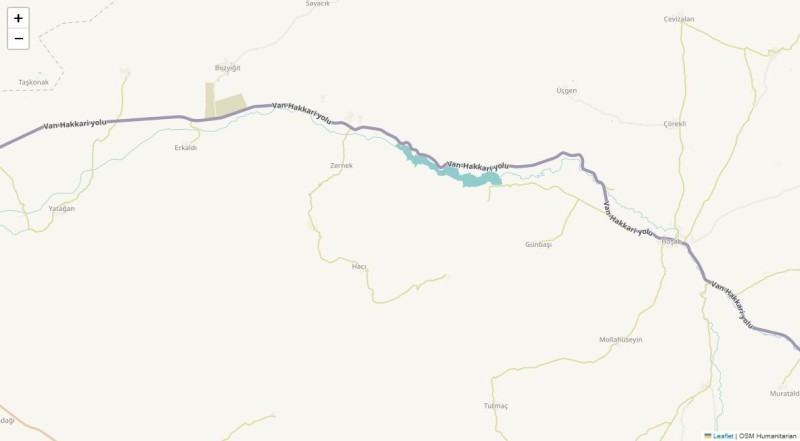
Van Unveiled: Demographic Shifts and Urban Maps for the Discerning Traveler
Strategic Insights
- Eastern Anatolia's pivotal hub, strategically positioned for regional trade.
- Growing tourism focus leveraging Lake Van and historical sites.
- Agricultural heartland, particularly renowned for its local produce and livestock.
- Receiving significant infrastructure investment, enhancing connectivity.
- A cultural crossroads, reflecting centuries of diverse regional influences.
Local Landmarks
- Van Castle (Tushpa Citadel), offering panoramic views and ancient history.
- Akdamar Island and its 10th-century Holy Cross Cathedral, a masterpiece of Armenian architecture.
- Lake Van, Turkey's largest lake, with its unique soda water and endemic fish.
- Van Cat House, home to the famous, distinctively eyed Van cats.
- Muradiye Waterfall, a natural spectacle particularly vibrant in spring.
Urban Protocol
- Respect for local customs and traditions is paramount, especially in attire.
- Bargaining is common in bazaars, but less so in modern retail.
- Basic Turkish phrases are appreciated, though English is understood in tourist zones.
- Public transportation (dolmuş, municipal buses) is efficient and affordable.
- Photography of people should always be done with explicit permission.
DEMOGRAPHIC MOMENTUM (K-SCALE)
URBAN VIBE CHECK
BEYOND THE BROCHURES: VAN
Van’s Enduring Tapestry: A 2026 Overview
Van, in 2026, solidifies its position as a nexus where past and future converge against the dramatic backdrop of Eastern Anatolian landscapes. Far removed from the Mediterranean resorts, this city offers an unvarnished glimpse into Turkey’s rich historical narrative and vibrant contemporary life. Its strategic location, bordering Iran and Armenia, has historically made it a crossroads of cultures and trade routes, a legacy evident in its architectural remnants, diverse population, and culinary traditions. Lake Van, the largest lake in Turkey, remains the region’s defining natural feature, influencing climate, economy, and leisure. The city’s current trajectory sees it balancing the preservation of its deep heritage with calculated modernizations aimed at enhancing livability and attracting further investment. For the elite traveler, Van is not merely a destination but an immersive experience into a region often overlooked but profoundly rewarding, promising authenticity over superficiality.
Demographic Currents: Who Calls Van Home?
By 2026, the urban core of Van is estimated to host a population of approximately 715,000 residents, reflecting a steady, organic growth trend driven by rural-to-urban migration within the province and a stable birth rate. The demographic profile is notably youthful, with a significant proportion of residents under the age of 30, fueling a dynamic urban energy. Ethnically, Van remains a mosaic, with a predominant Kurdish population coexisting with Turkish citizens and smaller communities, each contributing to the city’s rich cultural fabric. This ethnic diversity is a hallmark of the region, influencing everything from local dialects and cuisine to social customs. Educational attainment is on the rise, with expanded university infrastructure attracting students from across the eastern provinces, fostering a nascent intellectual scene. The workforce is diversified, moving beyond traditional agriculture into services, burgeoning tourism, and small-to-medium enterprises, reflecting the city’s slow but deliberate economic transformation. Understanding these demographic nuances is crucial for appreciating the city’s social dynamics and future potential.
Economic Horizons: Beyond Agriculture
Van’s economy in 2026 is steadily diversifying, though agriculture and animal husbandry remain foundational. The fertile plains around Lake Van support extensive farming, producing staples like wheat, barley, and various fruits and vegetables. Livestock, particularly sheep and cattle, are integral, with regional specialties like Van cheese holding significant cultural and economic value. However, the city is aggressively pursuing economic expansion into new sectors. Tourism is a key growth area; beyond domestic visitors, there’s a concerted effort to attract international travelers keen on cultural and adventure tourism. The historical sites, combined with the natural beauty of Lake Van and the surrounding mountains, offer substantial untapped potential. Cross-border trade, particularly with Iran, continues to be a vital artery, with Van serving as a commercial gateway. Infrastructure projects, including improvements to the airport, road networks, and development zones, are designed to bolster logistics and attract light manufacturing and service industries. The local university also acts as an economic driver, fostering innovation and providing skilled labor, slowly transforming Van into a regional knowledge hub.
Cultural Resonance: Echoes of Empires
Van is a living museum, its cultural identity deeply imprinted by millennia of human habitation. The Urartian civilization left an indelible mark, with the imposing Van Castle standing as a testament to their architectural prowess. Subsequent layers of Armenian, Persian, Seljuk, and Ottoman influences have woven a rich tapestry of traditions, folklore, and artistic expression. In 2026, this heritage is celebrated through numerous initiatives, from restoration projects at historical sites to local festivals showcasing traditional music, dance, and crafts. The Van Cat, with its distinct heterochromia, is a beloved symbol, protected and celebrated. Cuisine is a powerful cultural expression here; Van breakfast, a lavish spread of local cheeses, honey, jams, and fresh bread, is legendary. The local bazaars pulsate with traditional commerce, offering everything from spices and textiles to intricately woven kilims. The city’s cultural scene, while not as overtly flashy as Istanbul’s, offers a deep, authentic dive into Anatolian traditions, providing a profound sense of place and history that resonates with those seeking genuine cultural immersion.
Urban Fabric: Navigating the Cityscape
Van’s urban fabric in 2026 presents a functional blend of older districts and newer developments. The central areas are characterized by a mix of modern commercial buildings and more traditional residential blocks. Recent urban planning efforts have focused on enhancing public spaces, improving pedestrian infrastructure, and creating more green zones, albeit on a modest scale. Transportation within the city is largely handled by a reliable network of municipal buses and shared minibuses (dolmuş), which offer efficient and affordable transit. Taxis are also readily available. While not as sprawling as mega-cities, Van’s layout is easily navigable, with key landmarks well-connected. The city’s main avenues are bustling commercial arteries, while quieter side streets reveal local neighborhoods, tea houses, and artisan workshops. Despite its growth, Van retains a communal feel, where neighborhood ties are strong. Security is a prominent consideration, with the city maintaining a visible but not intrusive police presence. The overall urban experience is one of practicality and local character, rather than globalized sheen.
Adventure and Serenity: The Natural Playground
For the adventurous soul, Van in 2026 offers an abundance of natural wonders. Lake Van itself is a primary draw, not only for its historical islands like Akdamar but also for its potential for watersports (though less developed than coastal areas), boating, and simply enjoying its unique saline waters. The surrounding mountains, including the towering Mount Süphan, provide ample opportunities for hiking, trekking, and, in winter, even skiing (albeit on a smaller scale than major resorts). The region’s diverse ecosystems support a variety of birdlife, making it a point of interest for ornithologists. Beyond the lake, hidden waterfalls like Muradiye offer picturesque retreats, especially during spring thaws. For those seeking serenity, the countless small villages nestled in the valleys around Van provide a tranquil escape, where one can observe traditional rural life. The sense of vast, open space and unspoiled natural beauty is a refreshing contrast to the urban hustle, offering a profound connection to the rugged majesty of Eastern Anatolia. This duality of historical depth and natural grandeur makes Van a compelling destination for those who appreciate both.
Future Trajectories: Van’s Vision for 2026 and Beyond
Van’s strategic vision for 2026 and the subsequent decade centers on solidifying its role as the economic, cultural, and educational engine of Eastern Anatolia. Key initiatives include continued investment in tourism infrastructure, aiming to leverage its unique natural and historical assets to attract a broader international audience. There’s a focused effort to enhance cross-border trade capabilities, particularly with Iran, and to develop Free Trade Zones to attract foreign investment. The city also prioritizes sustainable urban development, addressing environmental concerns related to Lake Van and enhancing urban green spaces. Educational institutions are poised for further expansion, reinforcing Van’s status as a regional knowledge hub. Challenges persist, including the need for continued economic diversification, addressing unemployment, and managing internal migration pressures. However, the resilient spirit of its people and the strategic commitment from regional and national authorities point towards a future where Van embraces its unique identity while integrating more robustly into the broader national and international frameworks. The city’s evolution is not about transforming into something it’s not, but rather about enhancing its inherent strengths and showcasing its profound regional significance.