Batman Maps & Guides
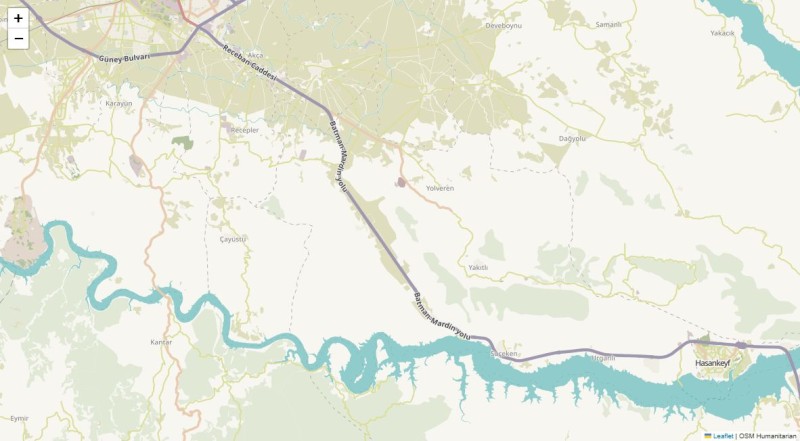
Batman: The Anatolian Frontier – A 2026 Urban Analysis and Demographic Maps
Strategic Insights
- **Oil & Energy Nexus**: Positioned as a key hub for Turkey's domestic oil production, influencing regional economics and infrastructure.
- **Demographic Youth Bulge**: A rapidly growing, young population presents both an economic workforce advantage and a demand for urban services.
- **Educational Growth**: Home to Batman University, a significant driver of intellectual capital, research, and talent retention in the region.
- **Cultural Crossroads**: A fascinating blend of Turkish and Kurdish heritage, offering a unique perspective on Anatolian identity and traditions.
- **Gateway to Ancient Mesopotamia**: Proximity to historical sites like Hasankeyf (now largely submerged, but culturally significant) connects it to deep history.
Local Landmarks
- **Batman Stream & Riverbank Parks**: The lifeblood of the city, offering green spaces and recreational areas along its banks.
- **Atatürk Park**: A central urban green space, popular for family outings and social gatherings, reflecting typical Turkish city planning.
- **Batman Museum**: Showcasing archaeological finds from the region, offering insights into its millennia-old history.
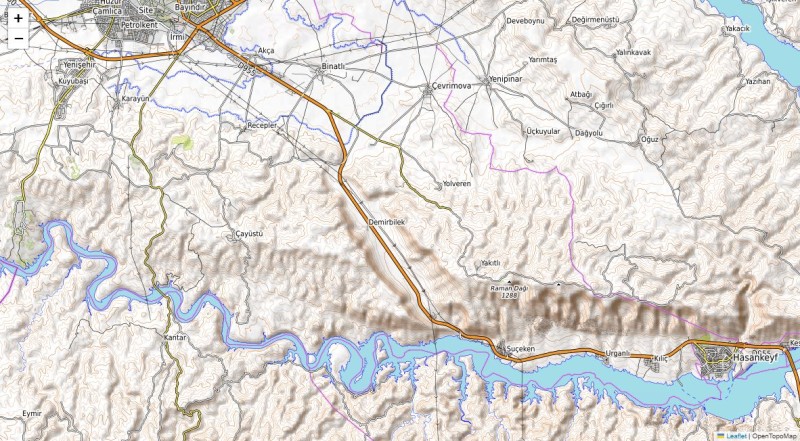
- **Raman Mountain**: Overlooking the city, a historic site of oil discovery and offering panoramic views of the surrounding plains.
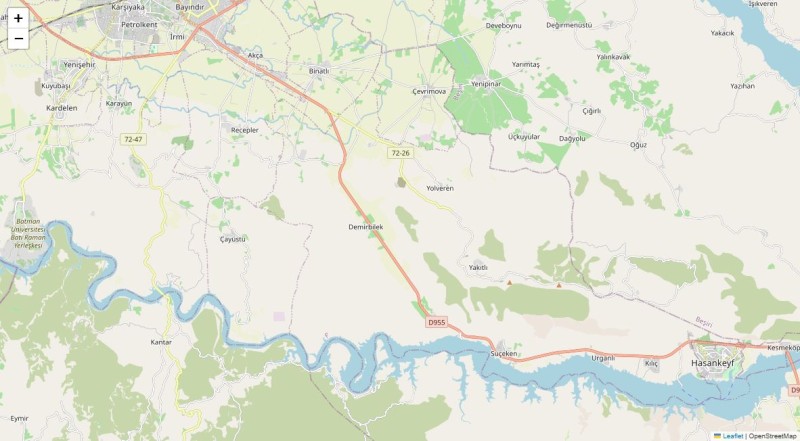
- **Hasankeyf (Dicle Dam Reservoir)**: While the ancient city is mostly submerged, the remnants and the new settlement offer a poignant historical experience.
Urban Protocol
- **Respect Local Customs**: Batman is a more conservative city; modest dress and respectful conduct, especially in religious sites, are appreciated.
- **Language Nuance**: Turkish is the official language; basic Turkish phrases are helpful. Kurdish is also widely spoken by a significant portion of the population.
- **Bargaining in Markets**: Haggling is common and expected in traditional bazaars, a cultural exchange rather than just a transaction.
- **Cash is King**: While cards are accepted in major establishments, carrying Turkish Lira for smaller purchases and local vendors is advisable.
- **Public Transport Etiquette**: Dolmuş (shared taxis) and municipal buses are efficient; understand routes and be prepared for crowded conditions during peak hours.
DEMOGRAPHIC MOMENTUM (K-SCALE)
URBAN VIBE CHECK
BEYOND THE BROCHURES: BATMAN
The Rise of Batman: A 2026 Urban Odyssey
Batman, often invoked for its distinctive name rather than its intrinsic urban character, stands as a pivotal city in Turkey’s Southeastern Anatolia. By 2026, it has cemented its reputation as a dynamic regional hub, deftly balancing a rich historical legacy with ambitious modern development. This dossier provides an unparalleled deep-dive into the city’s demographic pulse, economic drivers, and cultural nuances, offering essential insights for the discerning global traveler and strategic investor.
A City Forged in Oil and History: Historical Trajectories to 2026
Batman’s modern identity is inextricably linked to the discovery of oil in the mid-20th century. What was once a modest village, Iluh, rapidly transformed into a city, officially named Batman in 1957, owing to its proximity to the Batman River and the nearby Raman Mountain oil fields. This rapid industrialization laid the foundation for its subsequent growth, drawing migration from surrounding rural areas and creating a diverse demographic mosaic. By 2026, Batman proudly asserts itself as a strategic energy locus, with state-owned Turkish Petroleum Corporation (TPAO) continuing to be a dominant economic force. Yet, its history stretches far beyond oil, with archaeological evidence pointing to human settlement since ancient Mesopotamian times. The remnants of Hasankeyf, albeit largely submerged by the Ilısu Dam, serve as a poignant reminder of the region’s deep historical layers, fostering a sense of enduring heritage amidst rapid modernization.
Economic Engines: Diversification Beyond the Black Gold
While oil remains a cornerstone of Batman’s economy in 2026, the city has made strategic strides towards diversification. Beyond the oil derricks, agriculture, particularly pistachio and cotton cultivation, continues to be a vital sector, leveraging the fertile plains of Mesopotamia. The textile industry, a traditional Turkish strength, has also found a growing base here, benefiting from a young and available workforce. Furthermore, Batman University, established in 2007, has emerged as a significant economic and intellectual driver. It fosters research, attracts skilled professionals, and cultivates local talent, slowly shifting the city’s economic dependence. The provincial capital’s infrastructure, including its airport and improved road networks, positions it as a logistical node for regional trade, connecting southeastern Turkey with broader markets. Investments in renewable energy and light manufacturing are nascent but promising, signalling a future where Batman’s economic resilience extends beyond hydrocarbons.
Demographic Tapestry: A Young and Growing Populace
Batman’s demographic profile in 2026 is characterized by its youthfulness and rapid expansion. The city proper now hosts over half a million residents, with the wider province exceeding 600,000. This growth is largely fueled by high birth rates and internal migration from less developed rural areas, seeking economic opportunities and better access to education and healthcare. The population is a rich blend of Turkish and Kurdish communities, creating a vibrant cultural synthesis reflected in daily life, cuisine, and local traditions. This youthful demographic presents a significant economic advantage, providing a robust labor pool and a dynamic consumer base. However, it also places immense pressure on urban infrastructure, housing, and public services, necessitating continuous investment in education, healthcare, and sustainable urban planning to accommodate the burgeoning population effectively.
Urban Development and Infrastructure: A City in Flux
The cityscape of Batman in 2026 reflects its rapid growth. Modern apartment blocks and commercial centers stand alongside older, more traditional neighborhoods. Significant investments have been made in urban infrastructure, including new arterial roads, public transportation networks, and green spaces, such as renovated riverbank parks. The city’s airport, Batman Airport (BAL), serves as a crucial link to major Turkish cities, facilitating both business and leisure travel. Healthcare facilities have seen expansion, with new hospitals and clinics improving access to medical services. The educational landscape is robust, from primary schools to the increasingly influential Batman University, which acts as a magnet for students and faculty from across the region. Challenges remain in managing informal settlements and ensuring equitable access to amenities across all districts, but the trajectory is clearly towards a more organized and resilient urban future.
Cultural Pulse and Social Dynamics: Bridging Tradition and Modernity
Batman’s cultural fabric is a compelling blend of deep-rooted traditions and emerging modern influences. The predominant cultural elements draw from both Turkish and Kurdish heritage, manifesting in local cuisine, music, traditional crafts, and social customs. Public life, especially in older districts, retains a strong community feel, centered around family and neighborhood ties. While the city is generally conservative, particularly compared to Turkey’s western metropolises, a youthful population and the presence of a university are gradually introducing new ideas and lifestyles. Modern shopping malls, cafes, and cultural centers provide spaces for contemporary expression, subtly challenging and complementing traditional norms. Visitors are encouraged to engage respectfully with local customs, perhaps by visiting a traditional bazaar or sampling the rich local culinary scene, which includes delectable regional dishes such as ‘siron’ and ‘kibe’.
Tourism and Leisure: Untapped Potential and Local Charms
By 2026, Batman is not yet a mainstream international tourist destination, but its regional allure is growing. Local and domestic tourism is driven by family visits, business travel, and exploration of regional historical sites. The city itself offers a glimpse into authentic Anatolian life, away from the typical tourist circuits. The Batman Museum provides a window into the area’s archaeological wealth, while the Batman Stream offers pleasant riverside walks. Day trips to the remnants of ancient Hasankeyf, despite its partial submergence, remain a significant draw, offering a poignant journey through history. Further afield, the Malabadi Bridge, a magnificent 12th-century arch bridge, is an engineering marvel. Ecotourism potential in the surrounding natural landscapes, including the Tigris River basin and the Taurus Mountains, is slowly being recognized, promising future development for those seeking ‘wild spirit’ adventures beyond the urban core.
Outlook 2026: Opportunities and Challenges
Looking ahead, Batman in 2026 is poised for continued growth, albeit with inherent challenges. Opportunities lie in further economic diversification, leveraging its strategic location for logistics and trade, and capitalizing on its young, dynamic population. The university’s role in fostering innovation and entrepreneurship is critical. However, the city must navigate the complexities of rapid urbanization, ensuring sustainable infrastructure development, equitable access to resources, and environmental protection, particularly concerning water management from the Tigris River. Regional geopolitical sensitivities also remain a factor, necessitating stable governance and continued investment in social cohesion. For the urban analyst, Batman offers a compelling case study of a rapidly developing city in a historically significant and strategically vital region, embodying both the promise and the complexities of 21st-century urbanism in Anatolia.