Wellington Maps & Guides
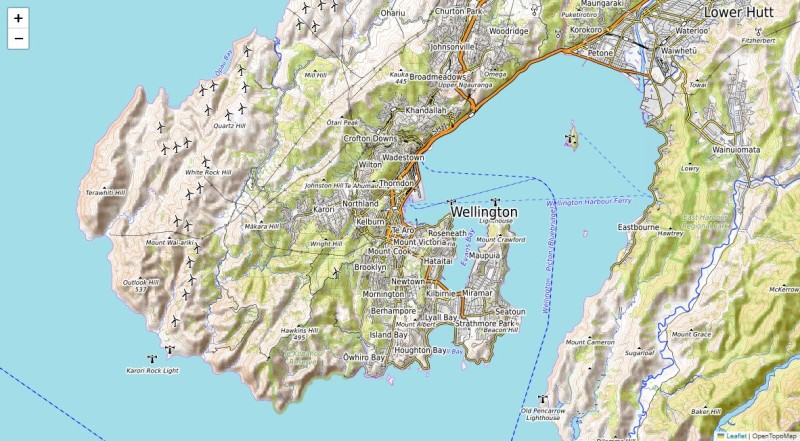
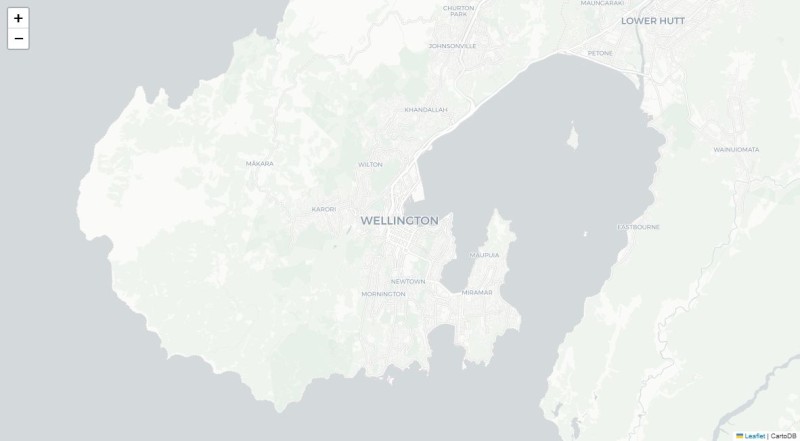
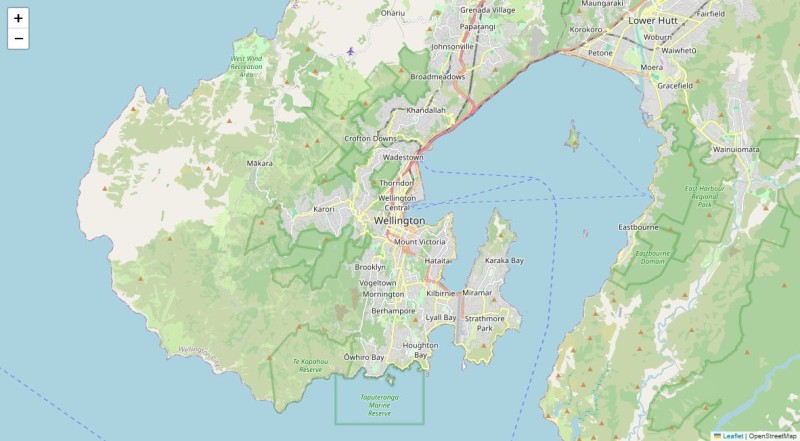
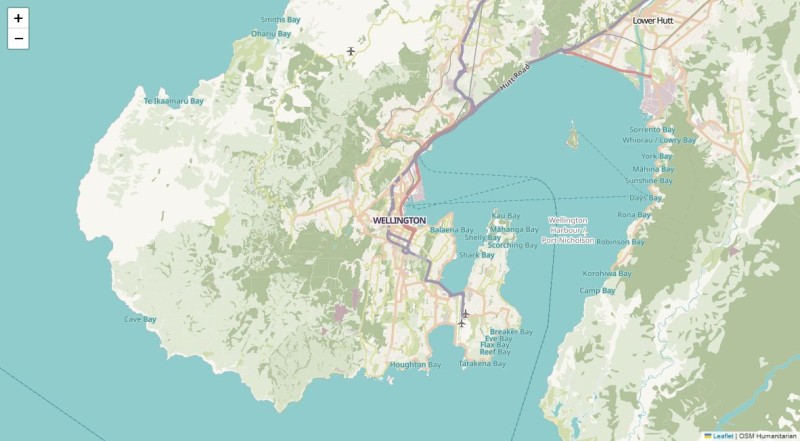
Wellington 2026: Navigating the Capital's Pulse & Urban Maps
Strategic Insights
- Southern Hemisphere's 'Coolest Little Capital' vibe remains strong.
- Government and diplomatic nexus driving stable employment.
- Rapid growth in tech, film, and creative industries post-2025.
- Pioneering urban resilience and sustainable transport initiatives.
- Cultural diversity expanding, enriching the city's social fabric.
Local Landmarks
- Museum of New Zealand Te Papa Tongarewa (National Museum)
- Wellington Cable Car & Botanical Gardens
- Weta Workshop Experience (Filming & SFX Studio)
- New Zealand Parliament Buildings (The Beehive)
- Oriental Bay & Waterfront Promenade
Urban Protocol
- Embrace the 'Windy Wellington' climate; layering is key.
- Efficient public transport (buses, trains, ferries) highly recommended.
- Strong coffee culture; quality cafes abound.
- Tipping is not customary, but exceptional service can warrant a small gesture.
- Digital payments are prevalent; cash use is minimal.
DEMOGRAPHIC MOMENTUM (K-SCALE)
URBAN VIBE CHECK
BEYOND THE BROCHURES: WELLINGTON
The Demographic Weave of Te Whanganui-a-Tara
In 2026, Wellington continues its trajectory as New Zealand’s cultural and political nucleus, with its demographic profile reflecting a youthful, highly educated, and increasingly diverse populace. The wider Wellington Region, encompassing the urban sprawl from the city proper into the Hutt Valley, Porirua, and Kapiti Coast, now hosts approximately 560,000 residents, showing steady, albeit moderate, growth. The city centre itself remains densely populated, attracting a significant cohort of young professionals, artists, and students, drawn by employment opportunities in government, tech, and the creative sectors, as well as its renowned university.
The Māori population, the indigenous people of New Zealand, constitutes a significant and culturally vital segment, with a strong presence that enriches Wellington’s identity. Pasifika communities and a growing number of Asian, European, and other ethnic groups contribute to a vibrant multicultural tapestry. This diversity is not just statistical; it is woven into the city’s daily life, evident in its culinary landscape, festivals, and community initiatives. Age-wise, Wellington maintains a lower median age than the national average, fueled by its universities and a reputation for being a desirable place for young innovators and families seeking an urban lifestyle coupled with easy access to nature. The urban planning strategies for 2026 are highly sensitive to these demographic shifts, aiming to provide equitable access to housing, green spaces, and community services that cater to its varied residents.
Economic Currents: Beyond Bureaucracy
Wellington’s economy in 2026 continues its diversification, moving beyond its traditional role as a government hub. While public administration and defence remain significant employers, the city has firmly established itself as a leading innovation centre. The technology sector, particularly in software development, data analytics, and digital design, has seen exponential growth, attracting both local talent and international investment. The ‘Silicon Welly’ moniker is well-earned, with numerous startups and established tech giants choosing Wellington for its collaborative ecosystem and quality of life.
The creative industries – film, animation, gaming, and digital effects – are another cornerstone of the economy. Fuelled by world-renowned facilities like Weta Workshop and a robust local talent pool, Wellington’s contributions to global cinema and digital media are substantial and growing. Tourism, though impacted by global shifts, has rebounded strongly by 2026, emphasizing sustainable and experiential travel. Visitors are drawn to Wellington’s unique blend of cultural attractions, culinary excellence, and outdoor adventures. The port also remains a vital economic artery, facilitating trade and connectivity. The city’s economic resilience is further bolstered by a strong focus on sustainability, with green initiatives and renewable energy projects creating new jobs and attracting environmentally conscious businesses.
Urban Evolution: Smart City, Green Heart
Wellington’s commitment to becoming a ‘smart city’ is evident in its 2026 urban planning and infrastructure. Investment in digital infrastructure, including widespread 5G connectivity and IoT applications for urban management, is improving efficiency and resident services. Public transport has undergone significant upgrades, with an expanded electric bus fleet and enhanced cycling networks making car-free commuting more viable and attractive. The city continues to grapple with the challenges of its unique topography – steep hills and a compact footprint – but innovative solutions, such as intelligent traffic management and pedestrian-friendly zones, are optimizing urban flow.
Environmental sustainability is at the forefront of Wellington’s urban development. Ambitious targets for carbon neutrality, waste reduction, and increased green spaces are being actively pursued. The city’s beloved green belts, including the expansive Botanic Garden and numerous nature reserves, are meticulously maintained and expanded, offering residents crucial access to nature within an urban setting. Resilience against seismic activity and climate change impacts, particularly rising sea levels, remains a critical planning consideration, with ongoing projects fortifying infrastructure and adapting coastal areas. The emphasis is on creating a liveable, resilient, and environmentally responsible capital that can withstand future challenges.
Cultural Confluence: Arts, Flavors, and Festivals
Wellington’s reputation as New Zealand’s cultural capital is well-deserved and continues to flourish in 2026. The city is a vibrant tapestry of arts, music, and performance. Institutions like Te Papa Tongarewa, the national museum, offer immersive experiences into New Zealand’s rich history, Māori culture, and natural heritage, drawing millions annually. The proliferation of independent galleries, theatres, and live music venues ensures a dynamic cultural calendar. From experimental performances to international touring acts, there is always something captivating to experience.
The culinary scene is equally impressive, with Wellington boasting more cafes and restaurants per capita than New York City. By 2026, this reputation for gastronomic excellence has only deepened, with a focus on fresh, locally sourced ingredients and innovative fusion cuisine. The craft beer and artisan coffee movements are deeply ingrained, offering a diverse array of unique brews and expertly prepared coffees. Throughout the year, the city hosts numerous festivals, from the CubaDupa street festival celebrating arts and culture to the biennial New Zealand Festival of the Arts, drawing international talent and enhancing Wellington’s vibrant atmosphere. These events showcase the city’s creative spirit and its welcoming nature.
Living the Wellington Way: Lifestyle and Leisure
Life in Wellington in 2026 is characterized by a unique blend of urban sophistication and outdoor accessibility. Despite its status as a capital city, Wellington maintains a relaxed, approachable vibe, fostering a strong sense of community. The compact nature of the city means that residents can easily transition from a bustling CBD to serene coastal walks or bush trails within minutes. The city’s waterfront is a focal point for leisure, offering opportunities for kayaking, paddleboarding, and simply enjoying the harbor views. The surrounding hills provide numerous tracks for hiking and mountain biking, appealing to adventurers and nature lovers.
The work-life balance is highly valued, with many taking advantage of flexible working arrangements to enjoy the city’s offerings. The renowned coffee culture extends beyond a morning ritual; cafes serve as social hubs, meeting points, and creative workspaces. This emphasis on quality of life, coupled with a strong community spirit, makes Wellington an attractive place for both individuals and families. The blend of cultural immersion, natural beauty, and a thriving urban environment creates a lifestyle that is both stimulating and highly rewarding.
Future Forward: Navigating 2026 and Beyond
As Wellington moves beyond 2026, it faces both opportunities and challenges. Continued population growth and demand for housing remain significant issues, driving innovative urban design solutions, including higher-density living and sustainable developments. The city’s vulnerability to seismic activity requires ongoing investment in resilient infrastructure and robust emergency preparedness. Climate change adaptation, particularly coastal protection and water management, will also remain a top priority.
However, Wellington is well-positioned for future success. Its thriving knowledge economy, particularly in tech and creative industries, promises continued job growth and innovation. The city’s commitment to sustainability and becoming a truly ‘smart’ capital will enhance its liveability and appeal. Furthermore, its rich cultural heritage and growing diversity will ensure a dynamic and inclusive future. Wellington in 2026 is not just a destination; it’s a living laboratory for urban excellence, constantly evolving yet holding fast to its unique charm and spirited identity.