Frankfurt Maps & Guides
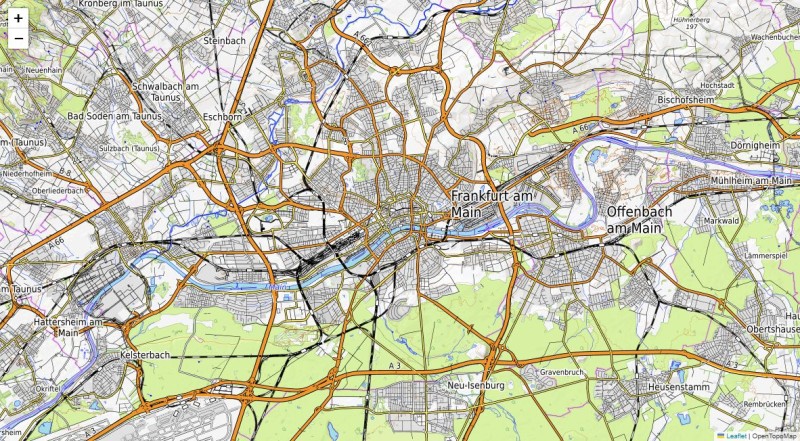
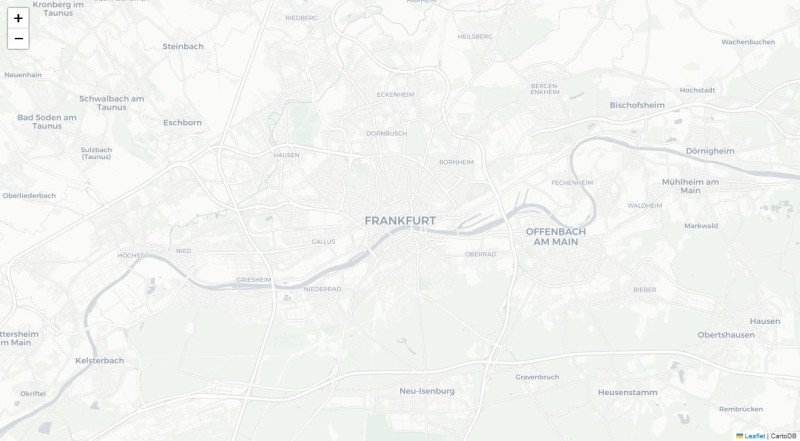
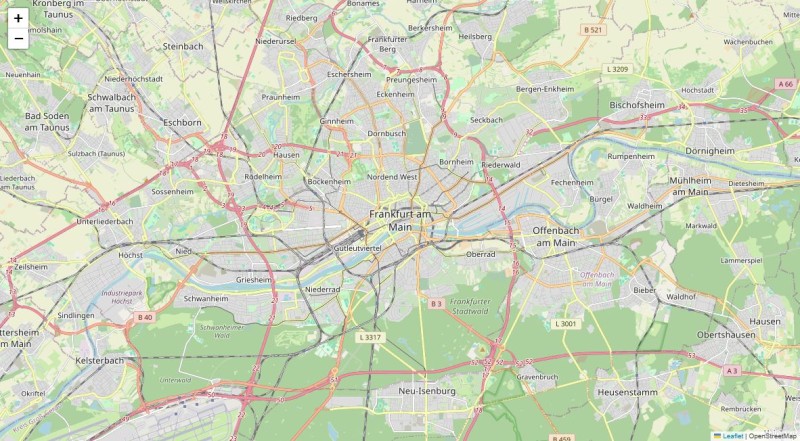
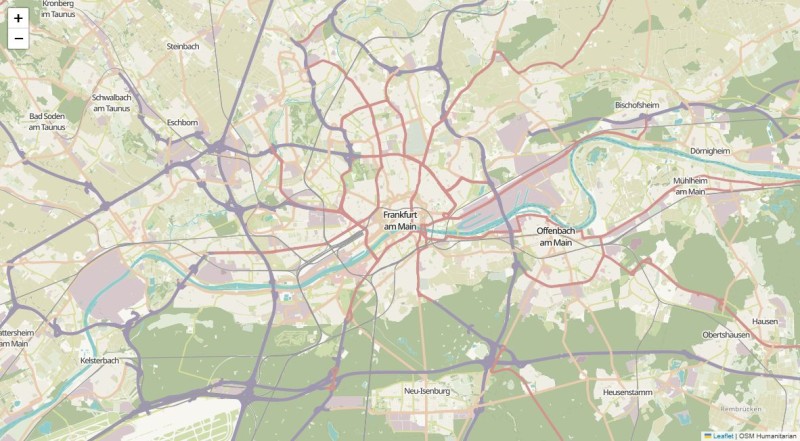
Frankfurt Futures: A 2026 Urban Analysis and Demographic Maps
Strategic Insights
- Europe's Financial Capital: Home to ECB and major banks.
- Logistics & Connectivity Hub: World-class airport, central rail network.
- Fintech & Startup Ecosystem: Rapidly growing innovation sector.
- International Talent Magnet: Diverse, highly skilled workforce.
- Green Urban Development: Emphasis on sustainable infrastructure.
Local Landmarks
- The Römerberg: Historic medieval square and city hall.
- Main Tower: Iconic skyscraper with public observation deck.
- Museumsufer: A riverside strip boasting world-class museums.
- Goethe House: Birthplace of Germany's most famous writer.
- Eiserner Steg: Pedestrian bridge offering panoramic Main River views.
Urban Protocol
- Punctuality is Valued: Adhere to scheduled meeting times.
- Recycling is Standard: Strict waste separation practices are observed.
- Public Transport Etiquette: Quiet and orderly conduct expected.
- Cashless Dominance: Digital payments are widely accepted, but some smaller venues prefer cash.
- Business Attire: Formal dress is standard in corporate settings.
DEMOGRAPHIC MOMENTUM (K-SCALE)
URBAN VIBE CHECK
BEYOND THE BROCHURES: FRANKFURT
The Unyielding Pulse: Frankfurt’s Economic Engine in 2026
Frankfurt’s identity is inextricably linked to its economic might, and in 2026, this remains truer than ever. As the undisputed financial capital of Continental Europe, the city hosts the European Central Bank, Bundesbank, and a formidable concentration of international banks, insurance companies, and asset managers. The skyline, a testament to this prowess, continues to evolve with new architectural marvels, symbolizing its relentless drive. However, Frankfurt’s economic narrative has broadened significantly beyond traditional finance. The city has cemented its position as a leading hub for FinTech innovation, attracting a torrent of startups and venture capital. Collaborative ecosystems, supported by institutions like TechQuartier, foster a fertile ground for digital transformation and next-generation financial services. Furthermore, its strategic location and unparalleled logistics infrastructure – anchored by Frankfurt Airport, one of the world’s busiest, and a robust rail network – underscore its vital role in global trade and commerce. This blend of established financial power and emergent technological dynamism ensures Frankfurt’s enduring economic relevance on the world stage.
A Canvas of Culture and History: Beyond the Brochures
While its modern facade gleams, Frankfurt’s soul is deeply rooted in its history and vibrant cultural scene. The Römerberg, with its picturesque half-timbered houses and the historic Römer city hall, serves as a poignant reminder of the city’s medieval past, diligently reconstructed after wartime devastation. Just steps away, the majestic Kaiserdom (St. Bartholomew’s Cathedral) beckons, having witnessed the coronations of Holy Roman Emperors. The Museumsufer, or ‘Museum Embankment,’ remains a world-class cultural mile, offering an unparalleled concentration of museums covering art, architecture, film, and ethnology. Institutions like the Städel Museum, with its masterpieces spanning seven centuries, continue to draw international acclaim. In 2026, the city’s cultural agenda is more diverse than ever, with a thriving opera scene, experimental theatres, and a burgeoning street art movement transforming urban spaces. From the contemplative quiet of the Goethe House, where Germany’s literary giant was born, to the pulsating beats of contemporary art galleries in Sachsenhausen, Frankfurt offers a rich tapestry of experiences for every cultural palate. The city has also embraced its multicultural population, with festivals and events celebrating global traditions throughout the year.
Green Oases and Riverine Retreats: Frankfurt’s Breath of Fresh Air
Despite its urban density, Frankfurt is remarkably green, a characteristic often overlooked by first-time visitors. The Main River, which bisects the city, is more than just a waterway; it’s the city’s central artery for leisure and recreation. Its banks are meticulously designed with walking and cycling paths, verdant parks, and pop-up cafes, providing locals and visitors alike with refreshing retreats. The iconic Eiserner Steg pedestrian bridge offers breathtaking views of the skyline reflecting in the water, especially at sunset. Beyond the river, the Palmengarten, a sprawling botanical garden, offers an exotic escape with its diverse flora and themed greenhouses. Grüneburgpark, nestled near the university, is a popular spot for picnics and strolls, while the Stadtwald (City Forest) on the southern side provides expansive woodlands for hiking and cycling, a true urban wilderness. Frankfurt’s commitment to urban greening continues to expand, with new initiatives aimed at increasing tree cover, developing pocket parks, and enhancing biodiversity within the city limits. This dedication ensures that moments of tranquility and connection with nature are always within easy reach, a crucial element for maintaining quality of life in a bustling metropolis.
Culinary Journeys: From Apfelwein to Michelin Stars
Frankfurt’s culinary scene in 2026 is a sophisticated blend of traditional Hessian flavors and cutting-edge international gastronomy. The quintessential local experience revolves around Apfelwein (apple wine), enjoyed in the rustic taverns of Sachsenhausen, often accompanied by hearty regional dishes like Handkäse mit Musik (a pungent cheese with onions) and Grüne Soße (green sauce). However, to categorize Frankfurt as merely a traditional food destination would be a disservice. The city boasts an impressive array of Michelin-starred restaurants, where innovative chefs push the boundaries of modern European cuisine, attracting gourmands from around the globe. The vibrant Bahnhofsviertel, once gritty, has transformed into a melting pot of international eateries, offering everything from authentic Middle Eastern street food to upscale Asian fusion. Meanwhile, the Kleinmarkthalle continues to be a sensory delight, an indoor market brimming with fresh local produce, artisanal cheeses, and international delicacies. Food trucks and pop-up dining experiences are also a growing trend, adding to the city’s dynamic culinary landscape. Whether seeking a comforting local meal or an avant-garde dining adventure, Frankfurt provides a spectrum of choices reflecting its diverse population and cosmopolitan outlook.
Connectivity and Urban Mobility: A Blueprint for 2026
As a global transport hub, Frankfurt’s urban mobility systems are designed for efficiency and connectivity. The city’s integrated public transport network – comprising U-Bahn (underground), S-Bahn (suburban train), trams, and buses – is exceptionally reliable, punctual, and comprehensive, making car ownership largely unnecessary for city dwellers. Digital ticketing solutions, accessible via smartphone apps, simplify travel across zones. The city is also a strong proponent of sustainable mobility. Dedicated cycling lanes are expanding, supported by an extensive bike-sharing program, encouraging eco-friendly commuting. In 2026, autonomous shuttle services are incrementally being integrated into specific urban zones, complementing existing public transport and addressing last-mile connectivity challenges. Frankfurt’s strategic location also places it within easy reach of major European cities, with high-speed rail connections making day trips or business travel across Germany and neighboring countries incredibly convenient. The commitment to seamless, multimodal transport ensures that navigating Frankfurt, and indeed connecting from Frankfurt to the wider world, is a remarkably smooth experience.
Future Forward: Innovation and Liveability
Frankfurt in 2026 is actively shaping its future as a ‘smart city,’ integrating technology and sustainable practices to enhance liveability. Urban planning initiatives focus on creating mixed-use neighborhoods, fostering community engagement, and promoting green building standards. The Hafenpark district, a testament to urban regeneration, offers modern living spaces, recreational areas, and waterfront access. Digitalization efforts extend to public services, making administrative tasks more efficient for residents. Investments in renewable energy sources and improved waste management systems underline the city’s commitment to environmental stewardship. Furthermore, Frankfurt’s strong educational infrastructure, from renowned universities to international schools, continues to attract families and foster a knowledge-based economy. The ongoing development of new cultural institutions and public spaces reflects a city that understands the importance of not just economic prosperity, but also social cohesion and cultural enrichment. Frankfurt’s forward momentum is not just about building higher, but about building smarter, greener, and more inclusively for all its inhabitants.