Kayseri Maps & Guides
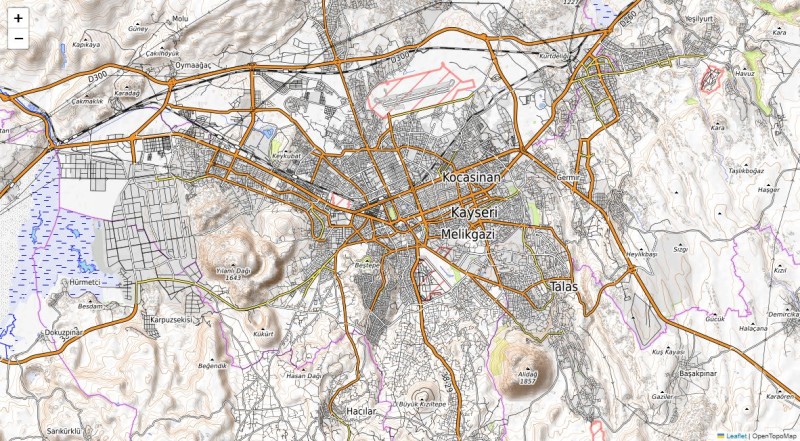
Kayseri Unveiled: 2026 Urban Dynamics & Strategic Maps
Strategic Insights
- Anatolian Tiger: Kayseri remains a powerhouse of Turkish industry, particularly in textiles, furniture, and metalwork, driving regional economic growth.
- Logistical Hub: Its central location and robust infrastructure position it as a critical transit point for goods and people across Central Anatolia.
- Educational Nexus: Home to several prominent universities, fostering a young, educated workforce and driving innovation in various sectors.
- Renewable Energy Focus: Significant investments in solar and wind energy projects underscore its commitment to sustainable industrial development.
- Cultural Bridge: Blends deeply rooted Seljuk and Ottoman heritage with modern urban planning, offering unique insights into Turkish societal evolution.
Local Landmarks
- Kayseri Castle: A formidable Seljuk-era fortress at the city's heart, a testament to its historical strategic importance.
- Mount Erciyes: A dormant volcano offering prime skiing in winter and hiking opportunities in summer, a major regional draw.
- Hunat Hatun Complex: A 13th-century Seljuk masterpiece featuring a mosque, madrasa, and hamam, showcasing exquisite Islamic architecture.
- Gevher Nesibe Hospital & Museum: Considered the world's first medical school, now a museum preserving the legacy of medieval medicine.
- Grand Bazaar (Kapalı Çarşı): A vibrant historical market where traditional crafts, spices, and local goods have been traded for centuries.
Urban Protocol
- Public Transport Mastery: Utilize Kayseray tram and extensive bus network for efficient city navigation; digital payment apps are widely accepted.
- Culinary Dive: Engage with local eateries beyond the main streets; taste Mantı (dumplings), Pastırma (cured beef), and Sucuk (spicy sausage).
- Cultural Sensitivity: Dress modestly when visiting religious sites. Politeness and respect for elders are highly valued in public interactions.
- Bargaining Etiquette: In traditional bazaars, polite bargaining is expected, especially for larger purchases; approach with a friendly demeanor.
- Connectivity: Reliable 5G coverage is expanding rapidly, with readily available public Wi-Fi in major commercial and civic areas.
DEMOGRAPHIC MOMENTUM (K-SCALE)
URBAN VIBE CHECK
BEYOND THE BROCHURES: KAYSERI
Kayseri’s Historical Tapestry: Where Empires Converged
Kayseri, ancient Caesarea Mazaca, boasts a history as rich and layered as the volcanic landscapes surrounding it. By 2026, its historical core continues to be a living museum, chronicling millennia of human endeavor. From the Hittites and Romans to the Byzantines and Seljuks, each empire left an indelible mark. It was under the Seljuks, however, that Kayseri truly flourished, becoming a critical center for learning, trade, and art. The city’s robust Seljuk architecture – exemplified by the Kayseri Castle, the Hunat Hatun Complex, and the unique Döner Kümbet – speaks volumes of an era of immense cultural and economic prosperity. The Ottoman period further cemented its status, preserving much of this architectural grandeur while adding its own administrative and religious structures. For urban analysts, understanding Kayseri’s past is crucial to comprehending its present resilience and its meticulous approach to urban planning, often integrating historical preservation with modern development.
The Economic Engine: An Anatolian Tiger in 2026
By 2026, Kayseri’s moniker as an ‘Anatolian Tiger’ is more fitting than ever. It has solidified its position as one of Turkey’s most industrially productive and economically dynamic cities, far outstripping its population size in terms of contribution to national GDP. The city’s economy is remarkably diversified, with strong sectors in furniture manufacturing, textiles, metal products, food processing, and automotive parts. Two organized industrial zones (OIZs) and a free zone serve as magnets for both domestic and international investment, boasting state-of-the-art infrastructure and logistical advantages. The entrepreneurial spirit runs deep within Kayseri’s populace, with generations of merchants and industrialists driving innovation and growth. This economic prowess is not merely about raw output; it’s about a deeply ingrained business culture that values hard work, strategic investment, and global outreach, making Kayseri a prime case study for regional economic development.
Demographic Dynamics: A Young, Growing Metropolis
Kayseri’s demographic profile in 2026 reflects broader Turkish trends of urbanization and a relatively young population. The metropolitan area continues to experience steady growth, fueled by both natural increase and internal migration from surrounding rural areas, drawn by economic opportunities and educational facilities. The presence of multiple universities, including Erciyes University, Nuh Naci Yazgan University, and Abdullah Gül University, ensures a continuous influx of young talent and contributes to a vibrant intellectual environment. This youthful demographic is a significant asset, providing a dynamic labor force and a consumer base ready to adopt new technologies and lifestyles. Urban planners are keenly focused on sustainable infrastructure development to accommodate this growth, including housing, public transport, and green spaces, aiming to maintain a high quality of life.
Urban Fabric & Lifestyle: Tradition Meets Modernity
Walking through Kayseri in 2026 reveals a fascinating interplay between tradition and modernity. While vast shopping malls, contemporary residential complexes, and modern cafes dot the urban landscape, the city retains a strong sense of its Anatolian heritage. Family values and community ties remain central to daily life. The culinary scene is a highlight, offering a deeper dive into authentic Turkish cuisine than many tourist-centric cities. Kayseri is renowned for its specific dishes like ‘Mantı’ (miniature dumplings), ‘Pastırma’ (air-dried cured beef), and ‘Sucuk’ (spicy fermented sausage), which are staples in local households and restaurants. Public spaces, including well-maintained parks and historical squares, serve as communal gathering points. While nightlife might be less boisterous than coastal resorts, the city offers a rich array of cultural events, traditional tea houses, and family-friendly entertainment options, reflecting its more conservative yet welcoming character.
Connectivity & Infrastructure: A Gateway to Central Anatolia
Kayseri’s strategic geographical position in the heart of Anatolia is reinforced by its sophisticated transportation infrastructure. The Erkilet International Airport (ASR) serves as a vital aerial gateway, connecting Kayseri to major Turkish cities and an increasing number of international destinations, particularly during peak seasons for Mount Erciyes’ ski resort. The city benefits from excellent road networks, including major highways linking it to Ankara, Nevşehir, and Adana, facilitating seamless freight and passenger movement. Furthermore, the Kayseray tram system provides an efficient and environmentally friendly public transport backbone within the city, complemented by an extensive bus network. Ongoing investments in smart city technologies are enhancing urban management, traffic flow, and public services, making Kayseri a model for integrated urban development in the region.
Tourism & Leisure: Beyond the Beaten Path
While not always on the primary tourist trail, Kayseri offers a compelling destination for those seeking authentic Turkish experiences. Mount Erciyes, an iconic dormant volcano, transforms into a premier ski destination in winter, attracting both local and international enthusiasts with its modern facilities and stunning slopes. In warmer months, it becomes a haven for hiking, trekking, and paragliding. The city’s rich historical legacy provides ample exploration opportunities, from the Seljuk masterpieces to the bustling Grand Bazaar. The proximity to Cappadocia, a UNESCO World Heritage site known for its fairy chimneys and cave dwellings, positions Kayseri as an ideal base for exploring Central Anatolia’s natural and historical wonders. Cultural tourism, centered around its unique cuisine, traditional crafts, and historical sites, continues to grow, attracting visitors keen on understanding the soul of Anatolia.
Future Outlook: Sustainable Growth and Global Ambition
Looking ahead to 2026 and beyond, Kayseri is poised for continued growth and heightened regional influence. The city administration, in collaboration with local businesses and universities, is actively pursuing smart city initiatives, investing in digital infrastructure, sustainable energy solutions, and advanced manufacturing. There is a strong emphasis on expanding its export markets and attracting further foreign direct investment, particularly in high-tech and value-added industries. Kayseri’s commitment to education and human capital development ensures a steady supply of skilled professionals, sustaining its economic dynamism. The city’s balance of respecting its profound heritage while embracing innovation makes it a fascinating urban laboratory and a significant player in Turkey’s strategic trajectory.