Canberra Maps & Guides
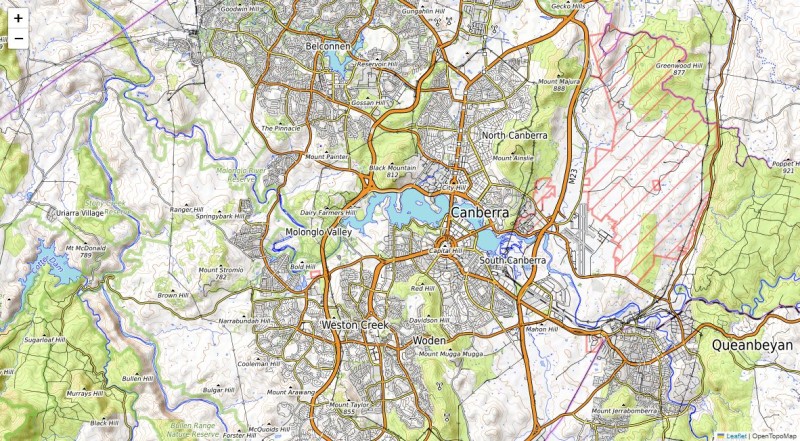
Canberra's Capital Canvas: A 2026 Urban Map for the Discerning Globalist
Strategic Insights
- Governance Nexus: Australia's political and administrative heart, influencing national policy.
- Innovation Hub: Growing presence in defence tech, cybersecurity, and public sector innovation.
- High Livability: Consistently ranks globally for quality of life, green spaces, and low congestion.
- Education & Research: Home to world-class universities and national scientific institutions.
- Sustainable Urbanism: A leader in green building, renewable energy adoption, and urban forest management.
Local Landmarks
- Parliament House: Iconic architectural marvel, seat of Australian democracy.
- Australian War Memorial: A profound tribute to military history and sacrifice.
- National Museum of Australia: Showcasing rich Indigenous and settler histories.
- Lake Burley Griffin: Central man-made lake, hub for recreation and scenic views.
- National Gallery of Australia: Repository of Australia's national art collection.
Urban Protocol
- Drive on Left: Adherence to left-hand traffic is mandatory; roundabouts are prevalent.
- Tipping Etiquette: Tipping is not customary in Australia; service charges are rare.
- Bushfire Awareness: Vigilance for fire warnings, especially during summer months, is crucial.
- Smart Casual Dress: Dominant attire in most establishments; comfortable for walking.
- Public Transport: Integrated bus and light rail network; consider using MyWay card for efficiency.
DEMOGRAPHIC MOMENTUM (K-SCALE)
URBAN VIBE CHECK
BEYOND THE BROCHURES: CANBERRA
The Engineered Capital: A Masterclass in Urban Planning
Conceived by Walter Burley Griffin and Marion Mahony Griffin over a century ago, Canberra remains a living testament to visionary urban planning. By 2026, the city’s original geometric layout, incorporating magnificent vistas and seamless integration with its natural landscape, continues to define its character. Unlike organic cities, Canberra feels intentionally crafted, with wide boulevards, extensive green spaces, and a clear demarcation between its parliamentary, cultural, and residential districts. This planned approach has resulted in a city that consistently ranks high in livability metrics, boasting low traffic congestion, excellent air quality, and an abundance of parks and recreational areas. The thoughtful integration of Lake Burley Griffin as its geographical and recreational heart is a design triumph, offering residents and visitors alike a serene focal point for water sports, cycling, and leisurely strolls. The city’s commitment to sustainability, visible in its public transport developments and green building initiatives, further solidifies its status as a forward-thinking capital.
Beyond Bureaucracy: A Thriving Cultural & Culinary Scene
The outdated perception of Canberra as a city solely defined by its political functions quickly dissipates upon arrival in 2026. The capital has cultivated a remarkably rich cultural tapestry, anchored by its array of national institutions. The Australian War Memorial, National Gallery of Australia, National Museum of Australia, and Questacon (the National Science and Technology Centre) are not merely attractions but vibrant educational and immersive experiences, continually evolving their exhibitions to engage a global audience. These institutions provide deep insights into Australia’s history, art, and scientific achievements. Beyond these national treasures, a dynamic local arts scene flourishes, with independent galleries, live music venues in areas like Braddon and NewActon, and a growing calendar of festivals. The culinary landscape has similarly exploded, moving far beyond simple government cafeteria fare. Canberra’s restaurants, cafes, and bars now compete with the best of Sydney and Melbourne, driven by a commitment to local produce, innovative chefs, and a sophisticated palate. Neighbourhoods like Braddon, Kingston Foreshore, and Civic offer everything from artisanal coffee and gourmet casual dining to hatted fine-dining experiences, catering to every gastronomic inclination.
Green Lungs and Wild Horizons: Canberra’s Natural Embrace
One of Canberra’s most defining characteristics is its profound connection to nature. Often referred to as the ‘bush capital,’ it seamlessly blends urbanity with its surrounding natural environment. By 2026, this integration is more vital than ever, offering a sanctuary from urban sprawl. The city is literally built within a network of national parks and reserves, providing unparalleled access to hiking, mountain biking, and wildlife spotting just minutes from the city centre. Tidbinbilla Nature Reserve, Namadgi National Park, and the Canberra National Botanic Gardens offer diverse ecosystems ranging from alpine wilderness to native bushland, teeming with kangaroos, wallabies, and a myriad of bird species. The cycling infrastructure is world-class, with extensive path networks winding through urban parks and around Lake Burley Griffin, encouraging an active, outdoor lifestyle. Even within the city limits, pockets of carefully preserved native bushland and beautifully maintained urban parks offer breathing space and a direct connection to Australia’s unique flora and fauna, making it an ideal destination for those seeking tranquility and outdoor adventure without sacrificing urban amenities.
The Innovation Nexus: A Glimpse into Tomorrow’s Canberra
Canberra’s role as the nation’s capital extends beyond governance; it is a burgeoning hub for innovation and research. In 2026, the city leverages its concentration of government agencies, research institutions like CSIRO, and world-class universities such as the Australian National University (ANU) and the University of Canberra, to foster a dynamic ecosystem of technological advancement. Areas like cybersecurity, defence technology, medical research, and renewable energy are experiencing significant growth. This intellectual capital attracts a highly educated and diverse workforce, fueling a sophisticated startup culture and driving economic diversification. The city is increasingly becoming a testbed for smart city initiatives, from integrated transport systems to sustainable urban infrastructure. This focus on future-forward thinking not only secures Canberra’s economic resilience but also enriches its social fabric, bringing a youthful, dynamic energy that complements its established institutional gravitas. Visitors engaging with the city’s academic and tech communities will discover a forward-looking Australia in the making.
Navigating the Urban Labyrinth: Transport and Lifestyle
Canberra’s urban design prioritises accessibility and ease of movement. The city’s infrastructure, continuously upgraded, ensures smooth transit, even as the population grows. By 2026, the light rail network provides efficient connections between key northern suburbs and Civic, with plans for further expansion well underway. The bus network is comprehensive, connecting the entire city. For those preferring personal mobility, Canberra is exceptionally bicycle-friendly, with dedicated paths and lanes throughout. The relatively compact nature of its central districts also makes walking a pleasant and viable option for exploring cultural landmarks and dining precincts. Lifestyle in Canberra is distinctly balanced. The emphasis is on quality of life, with excellent public services, a strong sense of community, and a calendar full of local events and markets. From the vibrant Capital Region Farmers Market to community festivals celebrating diverse cultures, there’s always an opportunity to engage with local life. The city’s pace is more relaxed than its larger counterparts, offering a high standard of living and a harmonious blend of professional opportunity and leisure, making it an attractive destination for both short-term visits and long-term residency.