Malatya Maps & Guides
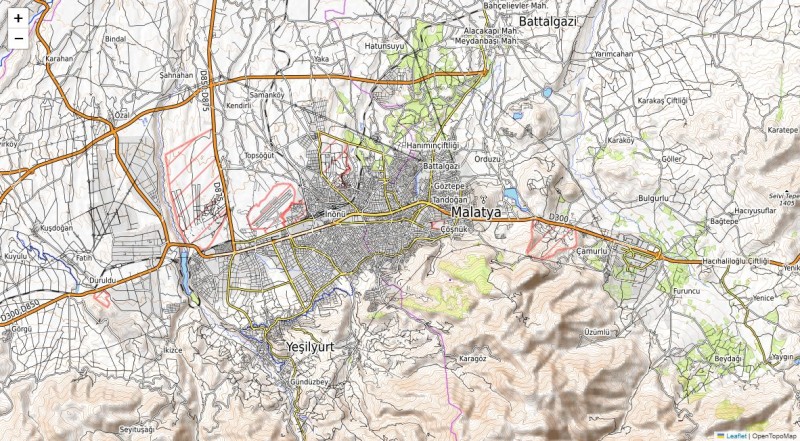
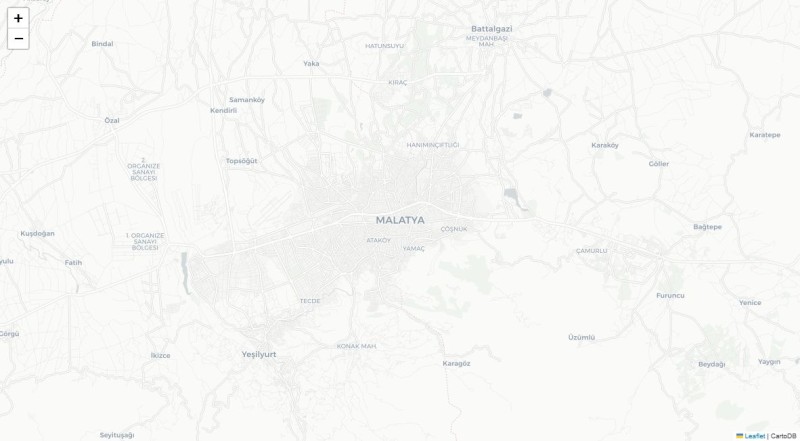
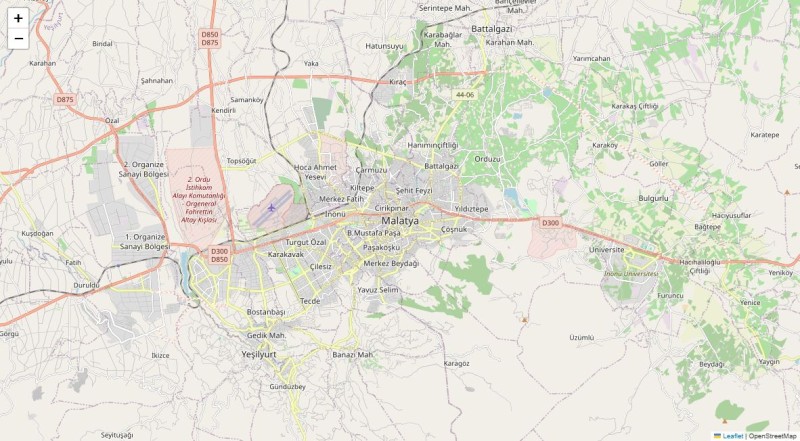
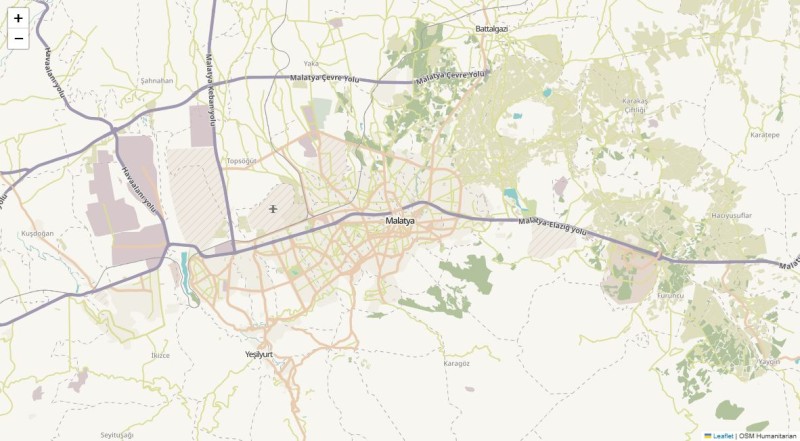
Malatya: Anatolia's Apricot Heartbeat – A 2026 Urban Analysis Map
Strategic Insights
- Turkey's Apricot Capital, dominating global production and trade.
- Key logistical hub connecting Eastern Anatolia to wider networks.
- Ancient crossroads with a rich tapestry of Hittite, Roman, Seljuk, and Ottoman heritage.
- Emerging focus on textile manufacturing and agri-tech innovation.
- Significant investments in post-2023 resilience infrastructure and urban renewal.
Local Landmarks
- Malatya Museum (housing artifacts from Arslantepe Mound)
- Grand Mosque (Ulu Cami) in Battalgazi, a Seljuk masterpiece.
- Arslantepe Mound (UNESCO World Heritage Site, ancient city ruins).
- Günpınar Waterfall, a natural marvel outside the city.
- Darende Somuncu Baba Mosque and Complex (historical and spiritual site).
Urban Protocol
- Embrace traditional hospitality; greeting elders is a sign of respect.
- Bargaining is common in local bazaars, less so in modern stores.
- Modest dress is advisable, especially when visiting religious sites.
- Tea (çay) is ubiquitous; expect to be offered it frequently.
- Public transport via dolmuş (minibus) is efficient for local travel.
DEMOGRAPHIC MOMENTUM (K-SCALE)
URBAN VIBE CHECK
BEYOND THE BROCHURES: MALATYA
The Apricot Heart of Anatolia: Malatya’s Enduring Legacy
Malatya, a name synonymous with succulent apricots, anchors itself firmly in the fertile plains of Eastern Anatolia, a region steeped in millennia of human history. For the discerning analyst, 2026 paints a picture of a city not merely recovering but strategically advancing. Its historical pedigree is immense; the UNESCO-listed Arslantepe Mound, just outside the modern urban sprawl, testifies to a settlement that predates many of the world’s ancient cities, boasting evidence of early state formation and elaborate palace complexes from the Copper Age. This deep historical wellspring continues to inform Malatya’s cultural identity, manifesting in its architectural heritage, local customs, and the resilient spirit of its populace. The city acts as a vital nexus, connecting the agricultural heartlands to Turkey’s broader economic arteries, a testament to its enduring geopolitical significance.
Demographic Dynamics and Urban Trajectories
As of 2026, Malatya’s metropolitan area projects a stable and growing population, driven by ongoing urban recovery, natural growth, and its role as a regional educational and healthcare hub. The demographic profile is notably youthful, with a significant percentage under 30, fueling a dynamic workforce and an increasing demand for modern amenities, education, and digital infrastructure. Post-2023 reconstruction efforts have been meticulously planned, focusing on creating resilient, smart urban spaces that integrate traditional aesthetics with contemporary functionality. This has led to a noticeable influx of skilled labor and a return of displaced residents, bolstering the city’s demographic momentum. Urban planning emphasizes sustainable development, with new residential zones designed for seismic resilience and enhanced public green spaces, reflecting a commitment to future liveability.
Economic Pulse: Beyond the Golden Fruit
While Malatya’s economic identity is inextricably linked to its world-leading apricot production – a sector that continues to innovate with advanced drying technologies and global export strategies – its economy is diversifying. The textile industry, leveraging historical craftsmanship and modern manufacturing techniques, is a growing employer. Furthermore, strategic investments in logistics and agri-tech are positioning Malatya as a regional innovation hub. The establishment of dedicated industrial zones and incentive programs attracts both domestic and international capital, particularly in sectors that benefit from its skilled labor pool and strategic location. The city’s university, Inonu University, plays a crucial role in fostering research and development, creating a pipeline of talent that supports these emerging industries, from software development to food processing.
Cultural Tapestry and Gastronomic Delights
Malatya’s cultural landscape is a rich amalgamation of its diverse historical influences. Seljuk and Ottoman architectural remnants, like the majestic Ulu Cami in Battalgazi, stand as proud markers of past eras. The Malatya Museum offers a comprehensive journey through these epochs, with artifacts providing insights into Hittite and Assyrian periods. Beyond historical sites, the city vibrates with traditional arts and crafts, from kilim weaving to copper work, preserving skills passed down through generations. Gastronomically, Malatya is a revelation. While apricots feature prominently in everything from desserts to savory dishes, the local cuisine extends far beyond. Famous for its kâğıt kebabı (paper kebab), içli köfte (stuffed meatballs), and a variety of bulgur-based dishes, the city offers a deeply authentic Anatolian culinary experience. The local bazaars, brimming with fresh produce and artisanal goods, are vibrant hubs of daily life and a testament to Malatya’s rich agricultural bounty.
Future Outlook: Resilience and Regional Prominence
Looking towards 2026 and beyond, Malatya is firmly on a trajectory of sustained development and enhanced regional prominence. The strategic imperative following the 2023 earthquake has been to rebuild stronger, smarter, and more inclusively. This has spurred significant urban regeneration projects, enhancing infrastructure, public services, and green spaces. The city is leveraging its geographic position as a gateway to Eastern Turkey and its historical trading routes, aiming to become a more significant logistics and trade center. Investments in renewable energy and digital connectivity are further solidifying its forward-looking stance. For the astute observer, Malatya represents not just a city of historical charm and agricultural wealth, but a resilient urban entity meticulously crafting its future as a vibrant, sustainable, and economically dynamic regional capital.