Oslo Maps & Guides
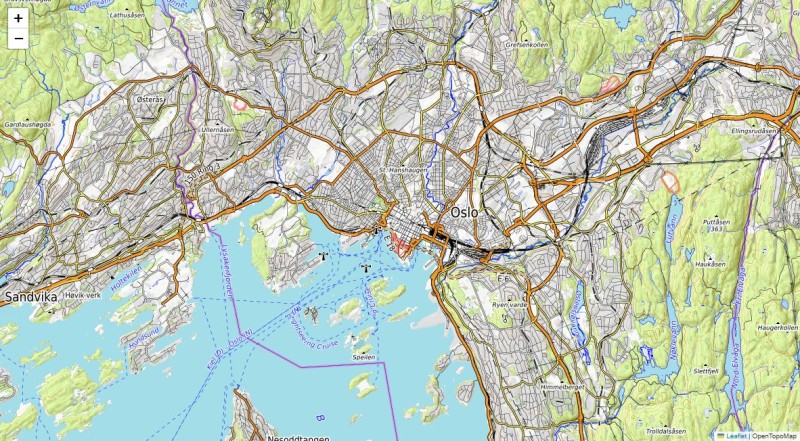
Oslo's 2026 Urban Blueprint: Demographics, Innovation, and Nordic Maps
Strategic Insights
- Global leader in sustainable urban planning and green technology.
- High-income economy driven by oil & gas, shipping, and a burgeoning tech sector.
- Strategic gateway to the Arctic and a key player in maritime industries.
- Robust social welfare model ensures high quality of life and social cohesion.
- Rapidly evolving smart city initiatives enhancing urban efficiency.
Local Landmarks
- The Oslo Opera House: Architectural marvel on the waterfront.
- Akershus Fortress: Historic castle and defense complex offering panoramic views.
- Vigeland Park: Expansive sculpture park showcasing Gustav Vigeland's life work.
- Munch Museum: Home to Edvard Munch's iconic masterpieces.
- Aker Brygge: Revitalized waterfront district with restaurants, shops, and cultural venues.
Urban Protocol
- Cashless society is prevalent; digital payments are the norm.
- Excellent public transport (Ruter) is highly efficient and widely used.
- Embrace 'Friluftsliv' – the Norwegian philosophy of outdoor life, regardless of weather.
- Punctuality and direct communication are valued in professional settings.
- Respect for personal space and quietude, especially on public transport.
DEMOGRAPHIC MOMENTUM (K-SCALE)
URBAN VIBE CHECK
BEYOND THE BROCHURES: OSLO
Oslo’s Economic Engine: Beyond the Oil Fields
Oslo’s economic prowess in 2026 continues to be a blend of traditional strengths and forward-looking innovation. While Norway’s vast offshore oil and gas reserves have historically provided an unparalleled financial bedrock, the city’s economic diversification is well underway. The maritime sector remains a global leader, with Oslo hosting major shipping companies, maritime technology developers, and green shipping initiatives. The capital is also a burgeoning hub for information technology, especially in fintech, health tech, and sustainable urban solutions, attracting significant foreign direct investment and fostering a dynamic startup ecosystem. The sovereign wealth fund, managed from Oslo, ensures long-term economic stability and strategic global investments, underpinning the city’s resilience. Furthermore, the push towards a green economy is not just rhetoric; it’s a fundamental driver, with substantial public and private funding directed towards renewable energy, electric vehicle infrastructure, and circular economy models. This positions Oslo not just as a wealthy city, but as a smart, future-proof economic powerhouse.
Demographic Tapestry: Growth and Diversity in 2026
Oslo’s demographic profile in 2026 is characterized by robust growth and increasing diversity. The city’s population, particularly the wider metropolitan area, has seen consistent upward trends, driven by both internal migration and international immigration. This growth has made Oslo one of Europe’s fastest-growing capital cities. The influx of skilled professionals, particularly in the tech and green industries, enriches the city’s workforce and intellectual capital. While ethnic Norwegians constitute the majority, the city boasts a significant proportion of residents with immigrant backgrounds, contributing to a vibrant multicultural tapestry reflected in its culinary scene, cultural festivals, and neighborhood dynamics. The age structure remains relatively young compared to some European counterparts, owing to a combination of high birth rates and the appeal of the city to young professionals and families. This demographic momentum fuels demand for housing, infrastructure, and services, driving continuous urban development and planning.
Cultural Resonance: Design, Art, and the Outdoors
Oslo’s cultural scene in 2026 is a sophisticated blend of minimalist Nordic design, world-class art, and an unwavering commitment to outdoor living. The city is a living showroom for contemporary architecture, exemplified by the iconic Oslo Opera House and the innovative MUNCH Museum. Galleries and museums abound, from the National Museum showcasing Norwegian art and design to smaller, avant-garde spaces in areas like Grønland and Tøyen. Music thrives, with venues hosting everything from classical concerts to cutting-edge electronic acts. Culinary experiences range from Michelin-starred New Nordic cuisine to diverse international eateries reflecting the city’s multiculturalism. However, perhaps the most defining aspect of Oslo’s culture is ‘Friluftsliv’ – the love for the outdoors. Despite its urbanity, Oslo is surrounded by forests, lakes, and the Oslofjord, providing unparalleled access to hiking, skiing, cycling, and sailing within minutes of the city center. This deep connection to nature shapes the lifestyle of its residents, emphasizing well-being and environmental consciousness.
Infrastructure and Connectivity: A Smart City Vision
Oslo’s infrastructure in 2026 is a testament to meticulous planning and a forward-thinking smart city vision. The public transportation system, managed by Ruter, is exceptionally efficient, comprising trams, buses, metros, and ferries that connect the entire metropolitan area seamlessly. Investment in electric public transport is significant, with an increasing number of electric buses and ferries reducing emissions and noise pollution. Digital connectivity is ubiquitous, with widespread high-speed internet and 5G networks supporting its advanced tech sector and connected urban services. The city is also a global leader in electric vehicle adoption, boasting an extensive network of charging stations and incentives that make EV ownership highly attractive. Infrastructure development isn’t just about efficiency; it’s also about sustainability, with a strong emphasis on green building codes, waste management innovation, and the development of pedestrian and cycling-friendly urban spaces. Future plans include further expansion of public transport lines and integration of AI-driven traffic management systems to enhance urban flow.
Sustainability and Urban Planning: The Green Capital’s Blueprint
Oslo’s reputation as a green capital is well-earned and continues to strengthen into 2026. The city has set ambitious targets for carbon neutrality, aiming to be fossil-free by 2030, and is actively implementing policies to achieve this. Urban planning prioritizes green spaces, with nearly half of the municipal area protected as forest and parkland. New developments adhere to strict environmental standards, focusing on energy efficiency, sustainable materials, and reduced ecological footprints. Initiatives like the car-free city center, extensive bicycle infrastructure, and the promotion of district heating systems underscore its commitment. The city actively engages citizens in environmental programs, fostering a collective responsibility for sustainability. This holistic approach to urban planning not only addresses climate change but also enhances the quality of life, ensuring clean air, abundant natural recreation, and a thriving urban ecosystem. Oslo serves as a blueprint for how modern cities can successfully integrate environmental stewardship with economic prosperity and social well-being.
Future Outlook: Challenges and Opportunities
Looking ahead to 2026 and beyond, Oslo faces both opportunities and challenges in maintaining its trajectory as a leading global city. Continued population growth, while a sign of vitality, places pressure on housing affordability and infrastructure capacity, necessitating innovative urban planning solutions. The city’s reliance on the oil and gas sector, though diminishing, still presents a long-term transition challenge as Norway seeks to fully decarbonize its economy. Geopolitically, its position in a dynamic Arctic region also requires strategic vigilance. However, Oslo is exceptionally well-equipped to navigate these complexities. Its strong economy, commitment to innovation, high levels of social trust, and proactive approach to sustainability provide a robust foundation. The ongoing investment in green technologies, smart city initiatives, and human capital development ensures Oslo will remain at the forefront of urban evolution, offering a high quality of life and strategic opportunities for its residents and global partners alike. The city’s future is bright, underpinned by a clear vision for a sustainable, prosperous, and inclusive urban environment.